Greece wildfires ease, residents return to gutted homes
Residents returned to burned-out homes west of Athens as hundreds of firefighters stayed on alert and two helicopter crew deaths cast a shadow over the recovery.
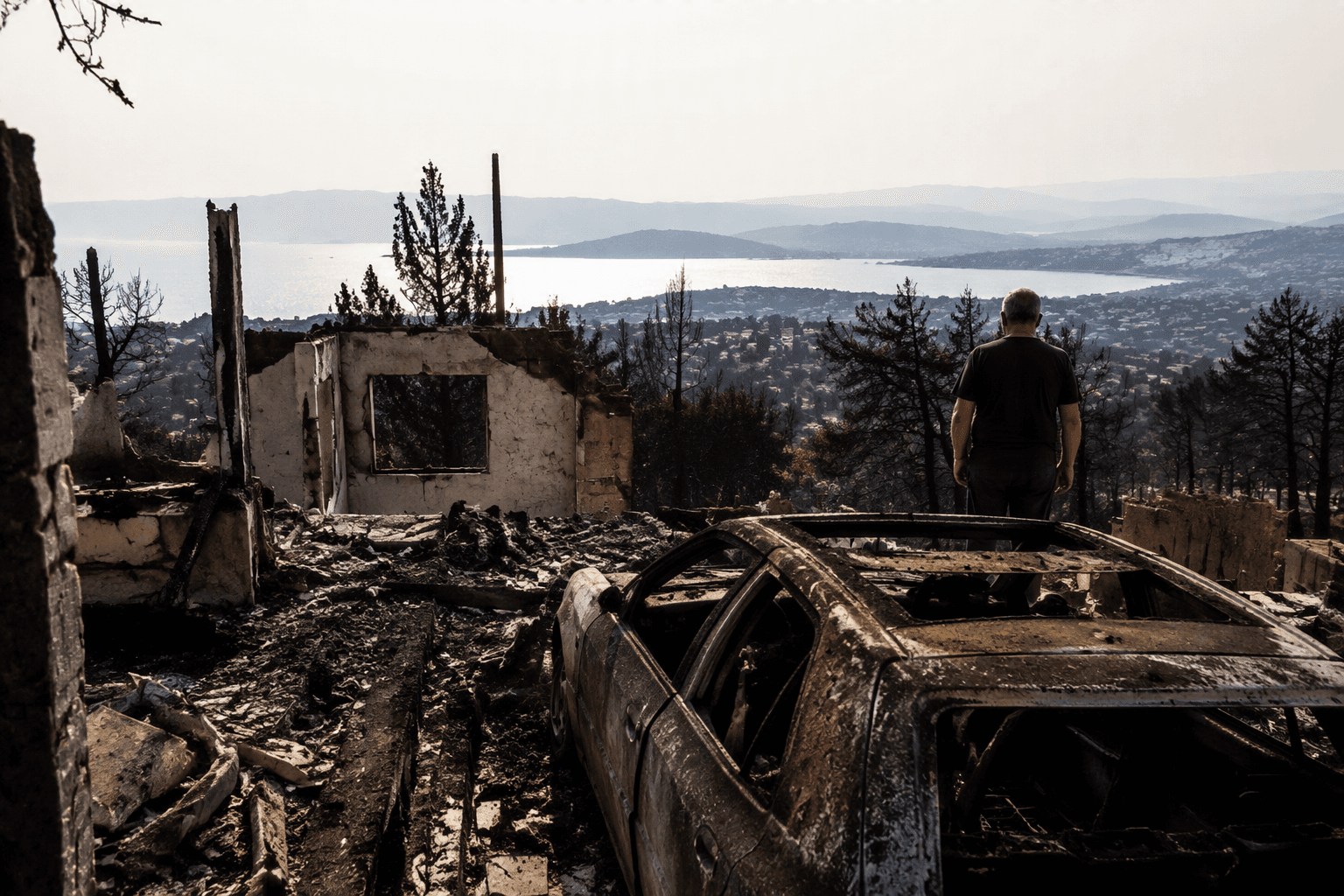
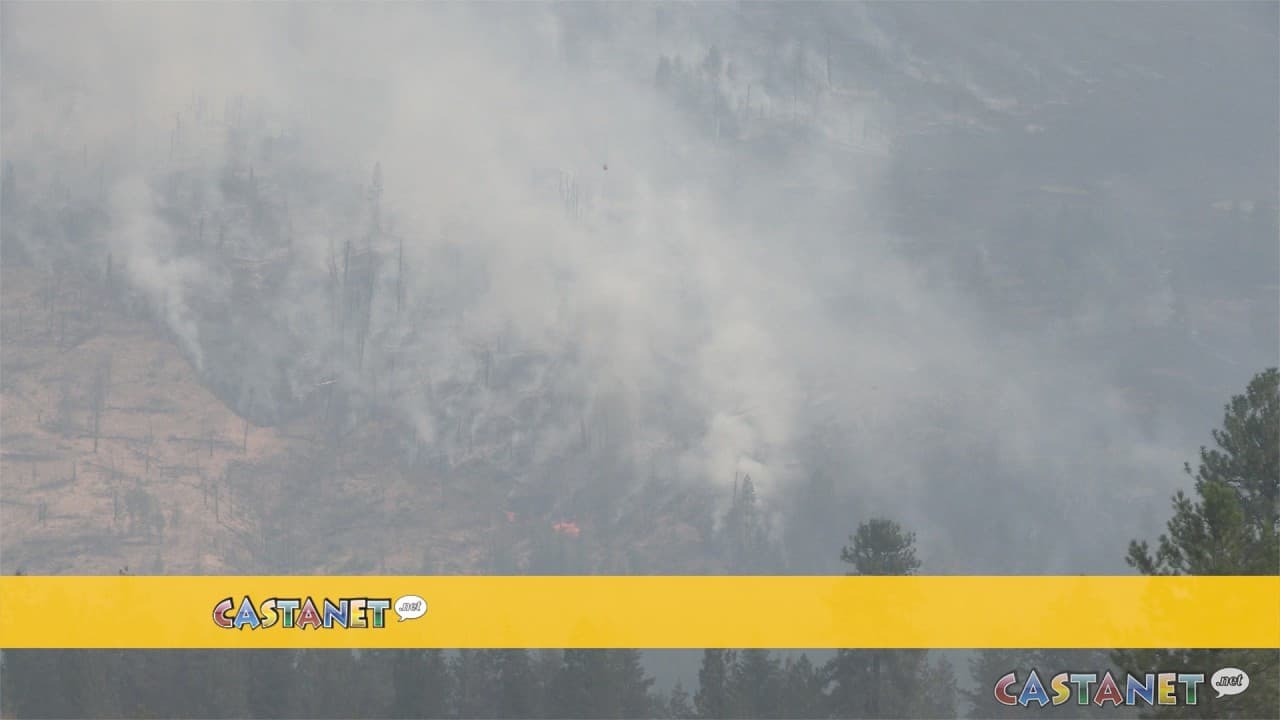
Hundreds of firefighters stayed on alert for flare-ups northwest of Athens on Aug. 4 as residents returned to gutted homes after Greece’s wildfires eased. In Psatha, burned houses stood as a visible reminder of the damage, while crews kept working on Mount Kithairon as the blaze ran across scorched ground.
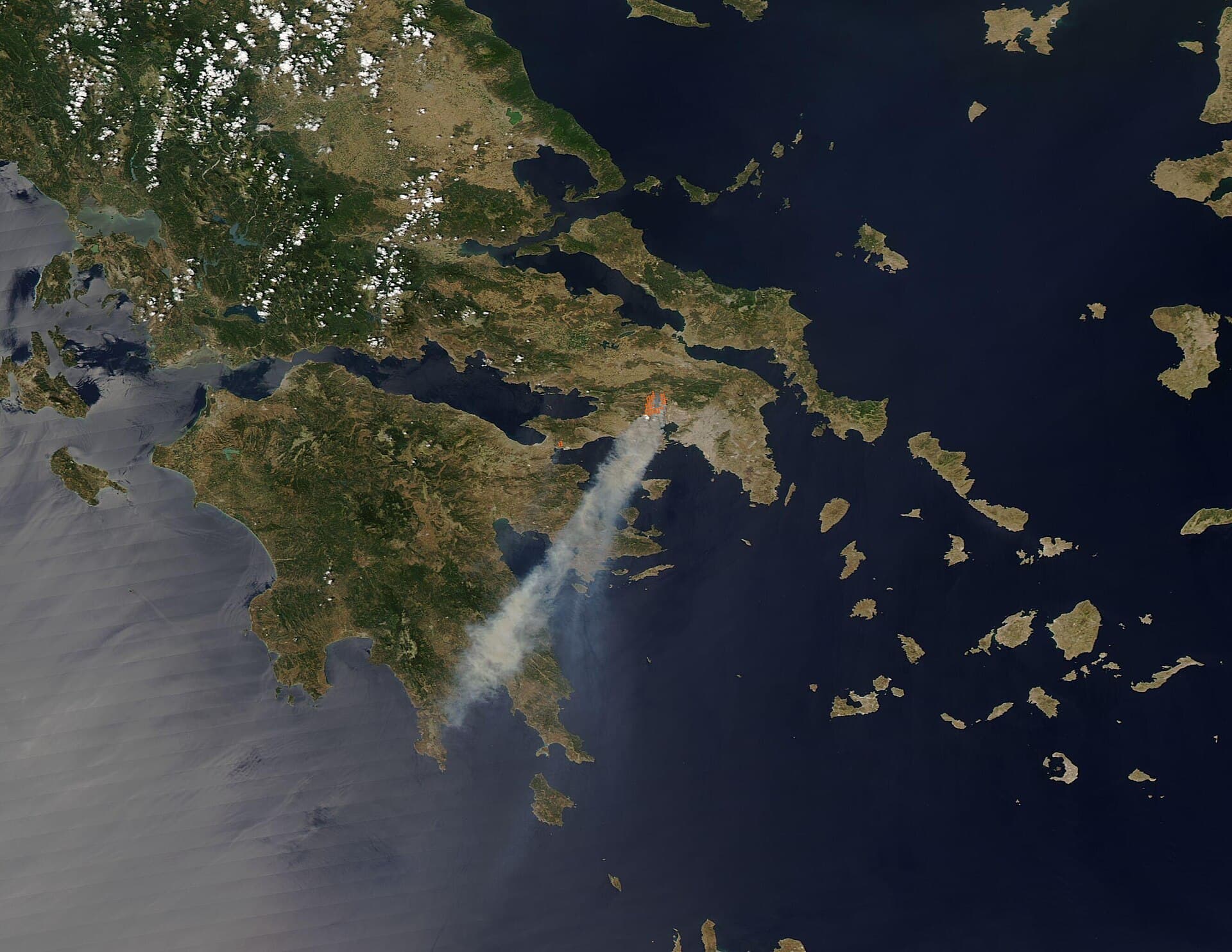
The fire had been burning northwest of Athens for a fourth day on Aug. 3, with rugged hills and canyons slowing containment efforts. Evacuations and partial evacuations hit communities west of the capital, including around Mount Kithairon, Psatha, Agia Paraskevi and Haidari, as the fire line pushed close to populated areas and forced people to leave with little certainty about what would be left when they came back.
The return home has exposed the other half of the disaster. Residents were coming back not to normal streets and intact utilities, but to smoke damage, damaged roofs and homes left open to the weather. In wildfire after wildfire across southern Europe, that moment is when the scale of the loss becomes clear: buildings can be repaired or demolished, but olive groves, small businesses and local infrastructure may take far longer to recover, if they can be recovered at all.
The episode also carried a deadly toll for responders. On Aug. 2, two firefighting helicopters collided west of Athens, killing two people as Greece battled the blazes. The crash sharpened questions that return after every major fire season, from emergency preparedness and aircraft availability to the balance between prevention and response funding. It also underscored how quickly a summer fire can move from a local emergency into a national test of systems and manpower.
The Athens fires were part of a wider 2026 wildfire season that also hit France and Spain in late July and early August. For communities west of Athens, the immediate threat eased on Aug. 4, but the recovery phase had only begun, with residents, local officials and firefighters now facing the slower work of assessing what can be repaired and what has been lost.
This article was produced by Prism’s automated news system from verified source data, official records, and press releases, then run through automated quality and moderation checks before publishing. The system is built and supervised by the people who set the standards it runs under. Read our full AI policy.
Did this article answer your question?