U.S. admiral warns against coercion, says no nation will dominate Indo-Pacific
Samuel Paparo warned that coercion will not decide the Indo-Pacific, as U.S. forces and allies push back against pressure in the South China Sea and beyond.
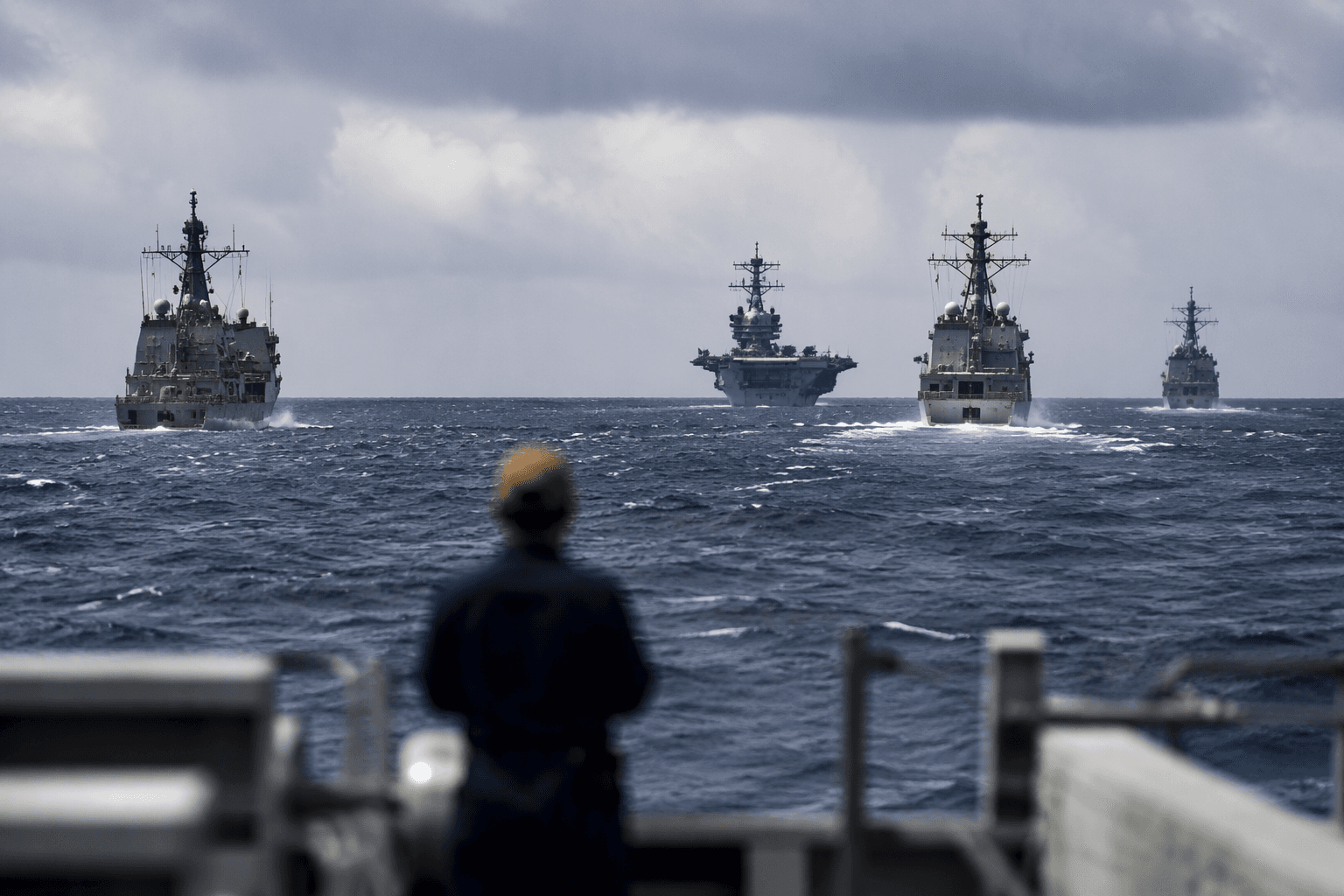
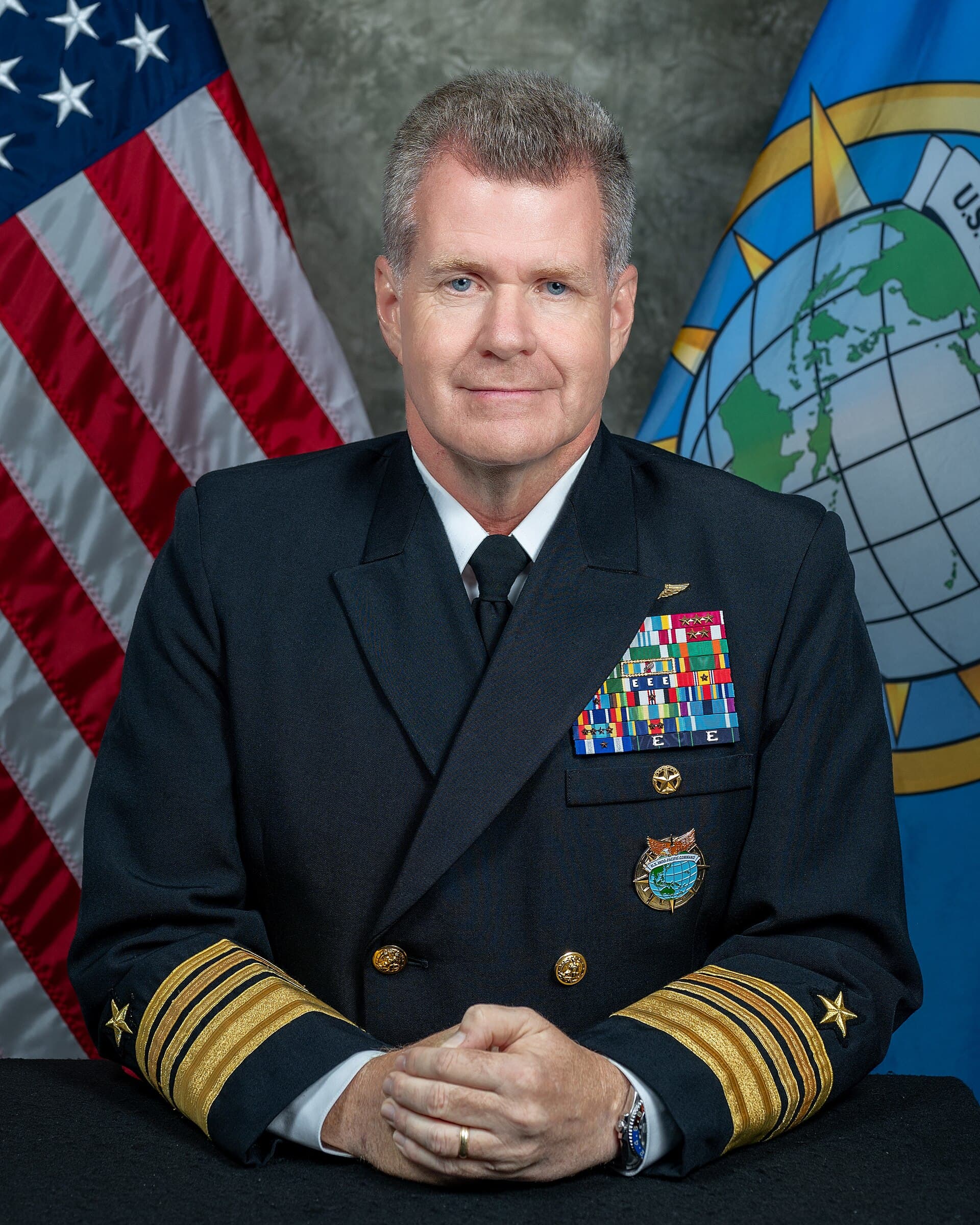
U.S. Indo-Pacific Command chief Admiral Samuel Paparo warned against coercion and said no nation will dominate the Indo-Pacific, sharpening Washington’s message as China and other actors test regional boundaries by force, pressure and intimidation. The warning lands in a theater that stretches from the Indian Ocean through the South China Sea and across Pacific island nations, where every naval move now carries diplomatic weight.
Paparo’s central argument is a deterrence message, not a ceremonial one. The Reuters-syndicated framing of his remarks said coercive actions by China and other actors are challenging regional stability, and that some actors rely on “false claims of legitimacy” to justify intimidation and coercion. That language fits the Pentagon’s broader effort to reassure allies such as Japan, the Philippines and Australia that Washington intends to preserve freedom of navigation and an open regional order, while signaling to rivals that gray-zone pressure will meet a response.
The stakes are embedded in U.S. planning. In his April 2025 posture statement, Paparo said the Indo-Pacific remains the Department of Defense’s priority theater and described the region as marked by increasing tension and disorder. That assessment mirrors the Biden administration’s February 2022 Indo-Pacific Strategy, which said the future of each nation and the world depends on a free and open Indo-Pacific. A Congressional Research Service defense primer updated February 5, 2026, underscored how institutionalized the theater has become by identifying U.S. Indo-Pacific Command as one of 11 unified combatant commands.
The practical side of that strategy is visible at sea. On January 26, 2026, the U.S. Navy destroyer USS John Finn and the Philippine Navy frigate BRP Jose Rizal took part in a maritime cooperative activity inside the Philippines’ exclusive economic zone, a reminder that deterrence in the Indo-Pacific depends on patrols, exercises and visible interoperability as much as it does on speeches. That kind of activity is aimed at making coercion costly and preventing any single power from redrawing boundaries through intimidation.
The contest is also political and economic, not just military. China’s pressure on allies and partners has been the subject of RAND analysis, and the pattern extends well beyond the South China Sea into contested waters and island states across the region. Paparo’s warning reflects a simple strategic calculation in Washington: if coercion goes unanswered, regional states may be pushed into accepting a hierarchy that U.S. leaders say they intend to prevent.
This article was produced by Prism’s automated news system from verified source data, official records, and press releases, then run through automated quality and moderation checks before publishing. The system is built and supervised by the people who set the standards it runs under. Read our full AI policy.
Did this article answer your question?