Greece's lingering bad loans still choke borrowing and investment
George's 2009 loan is still in court, and Greece's unresolved bad debts are keeping households and small firms locked out of credit even as growth returns.
George's €100,000 loan from 2009 is still tangled in court, 16 years after the Greek debt crisis began, and the jewellery shop owner outside Athens says the unpaid balance has kept him shut out of credit. His business turnover collapsed after the crisis hit, the loan moved from lender to lender, and a credit-servicing company later rejected his request to repay in smaller instalments. George says, "I have had a rope around my neck for 16 years," and he still cannot get a new loan to clear the old one, invest in the shop, or even obtain a credit card.
Greece created a legal framework in 2015 that allowed banks to transfer more than 90% of bad loans, or about €110 billion, to specialised credit servicing companies, but the market took years to function smoothly and many disputes moved into an already overloaded court system. Legacy debt remained trapped for years in servicing companies and in court, where enforcement delays kept would-be homeowners and small businesses out of the credit system.
On May 21, 2026, the European Commission projected Greece's economy would slow to 1.8% growth in 2026, from 2.1% in 2025, even as it continued to outpace much of the European Union. It also projected Greece still faced vulnerabilities including high public and external debt, non-performing loans and unemployment, and that Recovery and Resilience Facility funds could lift GDP by almost 4.5% in 2026 compared with a no-policy-change scenario.
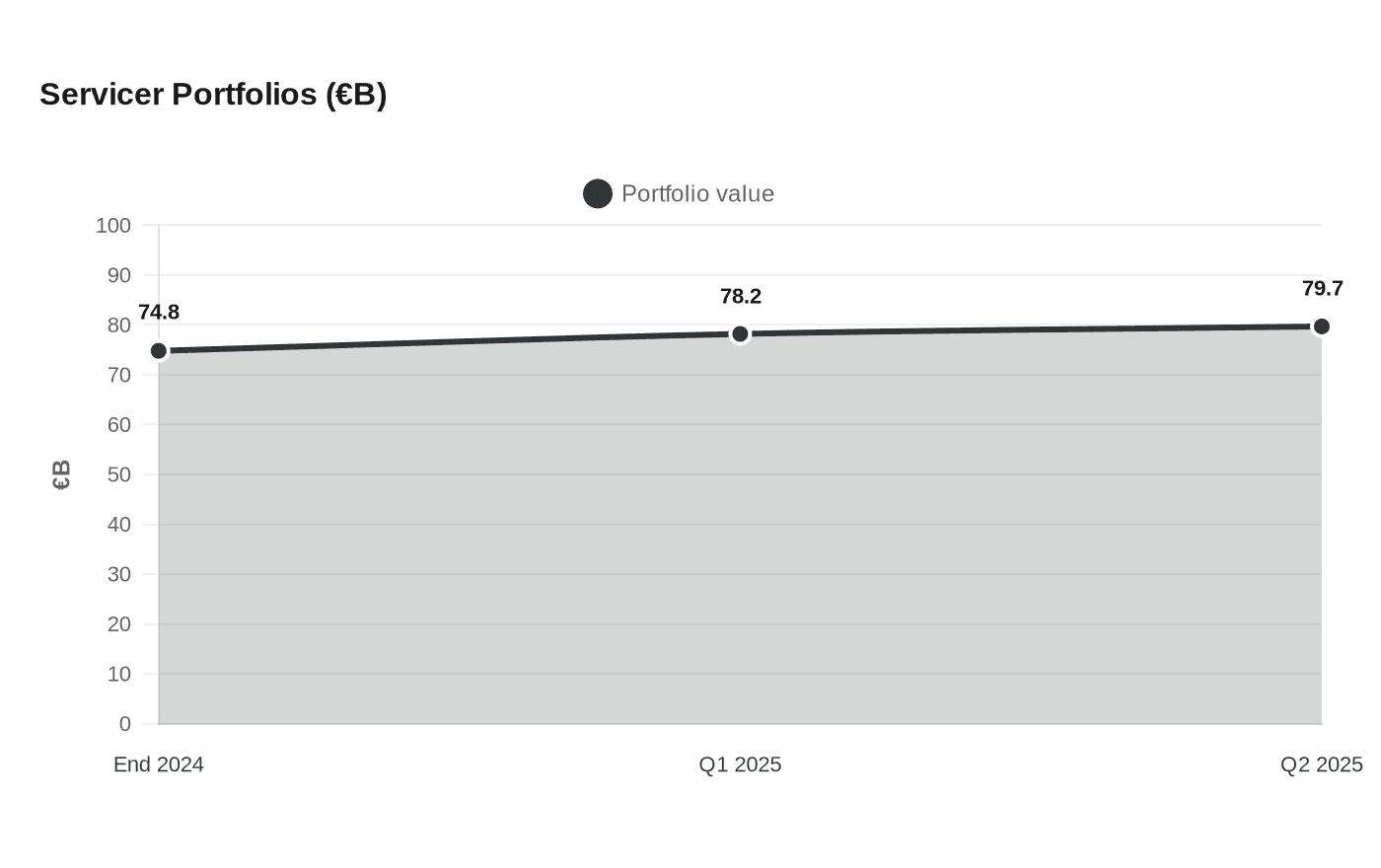
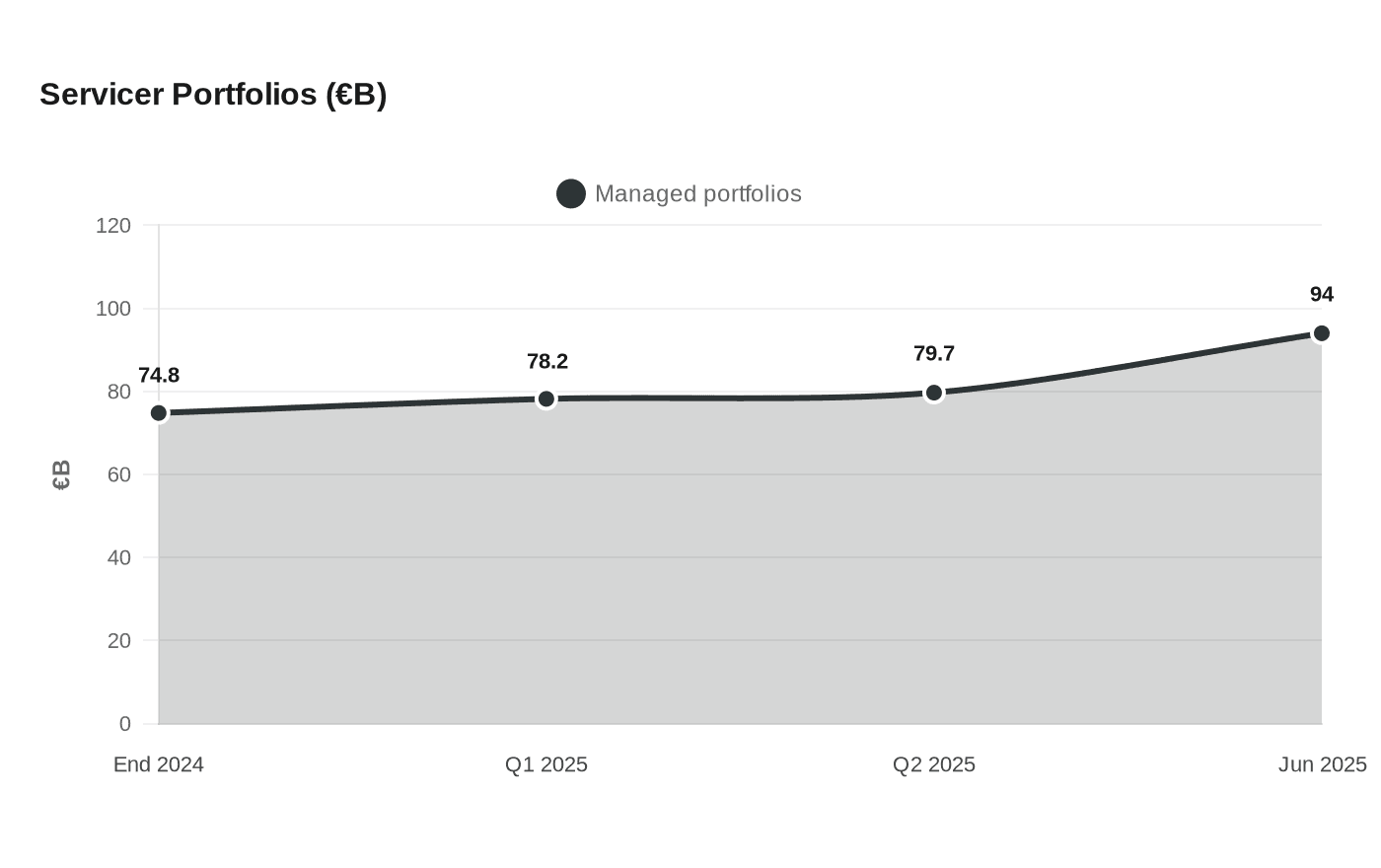
In its 2024 annual report, the Bank of Greece put the non-performing loan ratio at its lowest level since Greece joined the euro area, yet exposures under management by credit servicers reached €94.0 billion in June 2025. Industry data put servicer-managed portfolios at about €74.8 billion at the end of 2024, rising to €78.2 billion in the first quarter of 2025 and €79.7 billion in the second quarter.
In May 2026, the IMF said Greece's financial system is now dominated by four systemically important banks and that risks to stability were low and manageable. A June 2026 technical note focused on mortgage enforcement as a key obstacle to legacy NPL resolution, and in a March 21 blog post the European Central Bank questioned whether banks are strong enough to support the economy and how far Greece remains from closing its living-standards gap.
This article was produced by Prism’s automated news system from verified source data, official records, and press releases, then run through automated quality and moderation checks before publishing. The system is built and supervised by the people who set the standards it runs under. Read our full AI policy.
Did this article answer your question?