Greek authorities probe Ukrainian sea drone found off Lefkada coast
A Magura V3 drone found in a Lefkada cave had detonators removed as investigators examined whether it was tied to shadow-fleet operations.
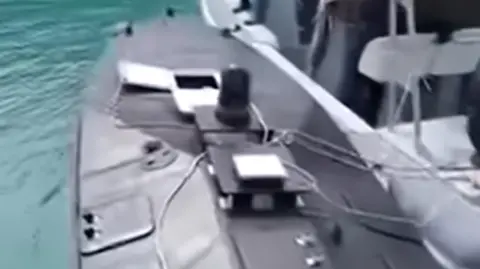
Greek investigators were piecing together the route of a Ukrainian-made Magura V3 naval drone after fishermen found it Thursday near Cape Doukato, inside a coastal cave off Lefkada in the Ionian Sea, with its engine reportedly still running. The fishermen secured the vessel and towed it to Vassiliki port, where it was handed over to the Greek Coast Guard.
By Friday, Greek authorities had not officially confirmed whether the drone carried explosives or what mission it may have had. Army explosive ordnance specialists removed detonators from the craft Friday morning, and Coast Guard personnel later disabled its batteries to shut down the engines before it was prepared for transfer to military facilities for further examination.
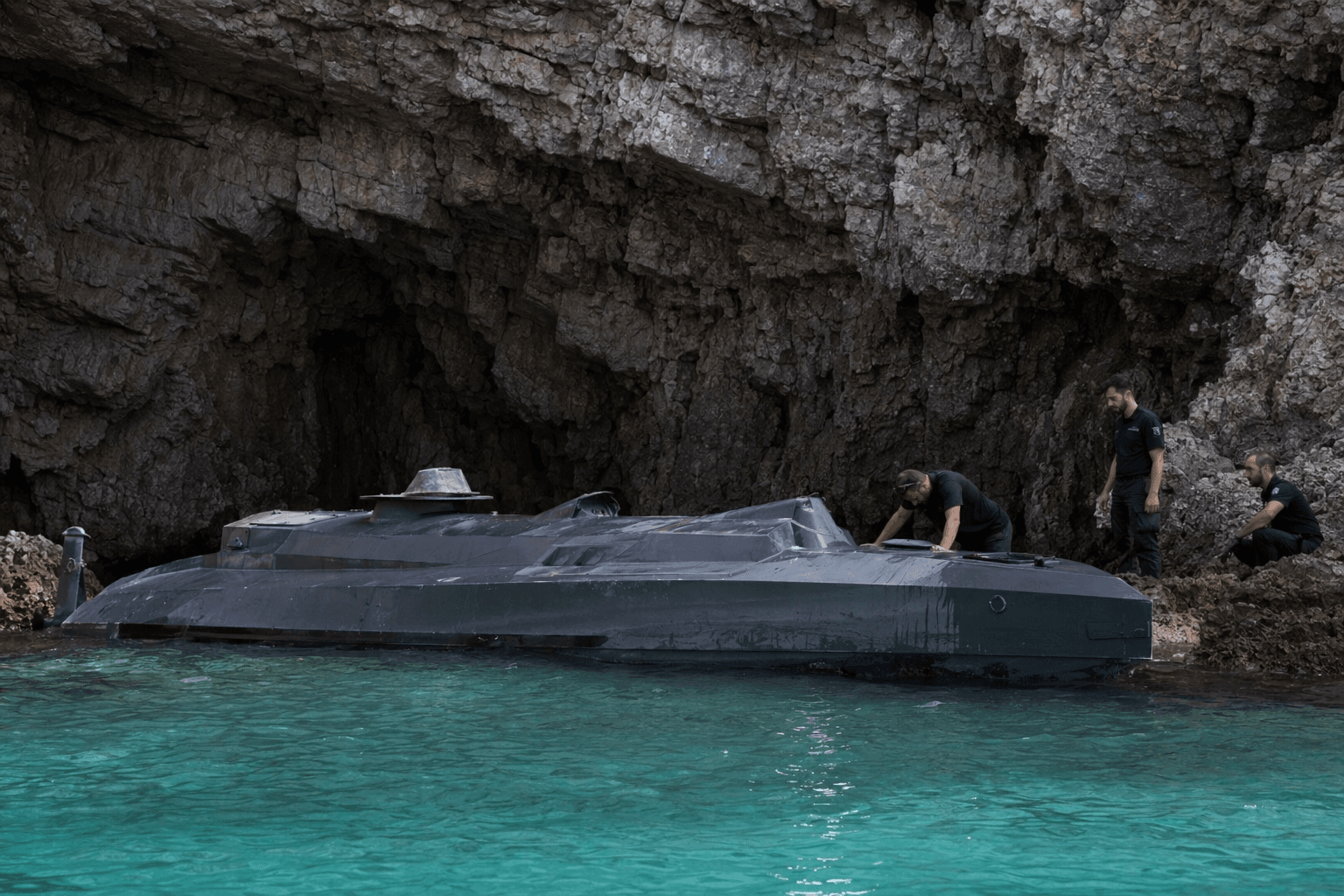
Preliminary findings reported by Reuters indicated that the MAGURA V3-type sea drone had three detonators. One source cited in those reports said the vessel was loaded with explosives, but the Greek Army could not confirm that detail. The unanswered questions now center on chain of custody: who launched the drone, how it entered Greek waters, and whether it was being used for a covert operation or had drifted far from its intended route.
Officials were also weighing whether the unmanned vessel was linked to operations against Russia’s shadow fleet, the oil-carrying network that moves Russian crude while seeking to evade Western sanctions. That possibility has widened concern beyond a single object on a rocky Ionian shoreline and into the broader Mediterranean security picture, where naval drones, maritime sabotage, and sanctions enforcement are increasingly overlapping.
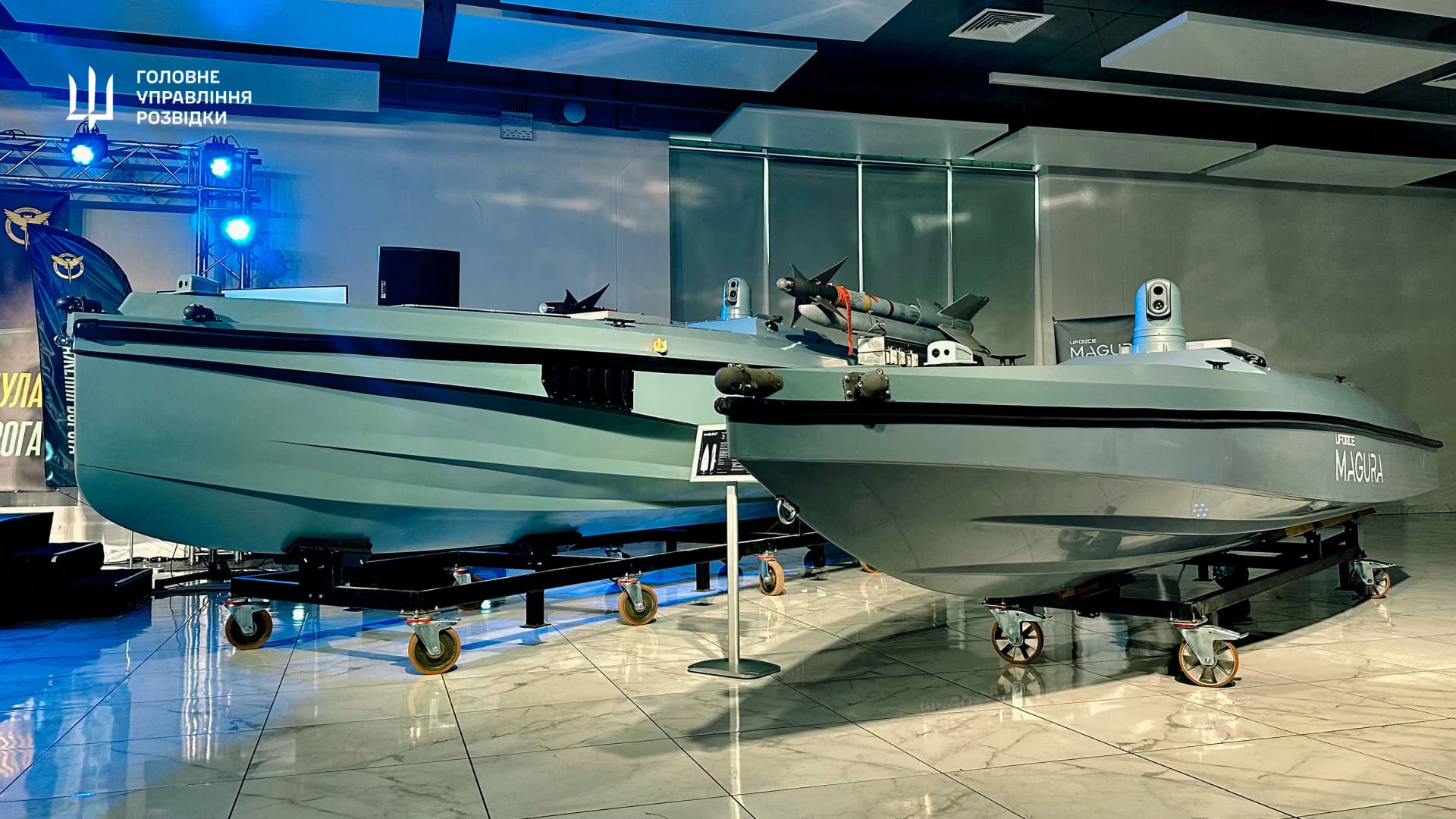
The discovery landed months after Greece and Ukraine agreed in November 2025 to co-produce unmanned surface vessels at Greek shipyards. That deal followed months of confidential consultations and high-level videoconferences, and the European Commission later expressed full solidarity with Greece after Russian threats over the agreement. The Lefkada drone now sits at the intersection of those two realities: industrial cooperation on maritime drones and the risk that the same technology is already traveling through contested waters. Greek authorities are continuing to examine the vessel, its payload, and the path that brought it to the Ionian coast.
Know something we missed? Have a correction or additional information?
Submit a Tip