Greensboro businesses say new paid downtown parking reduces foot traffic
Downtown Greensboro converted several formerly free surface lots to paid weekday parking, and business owners say unclear rules and new fees are cutting customer visits.
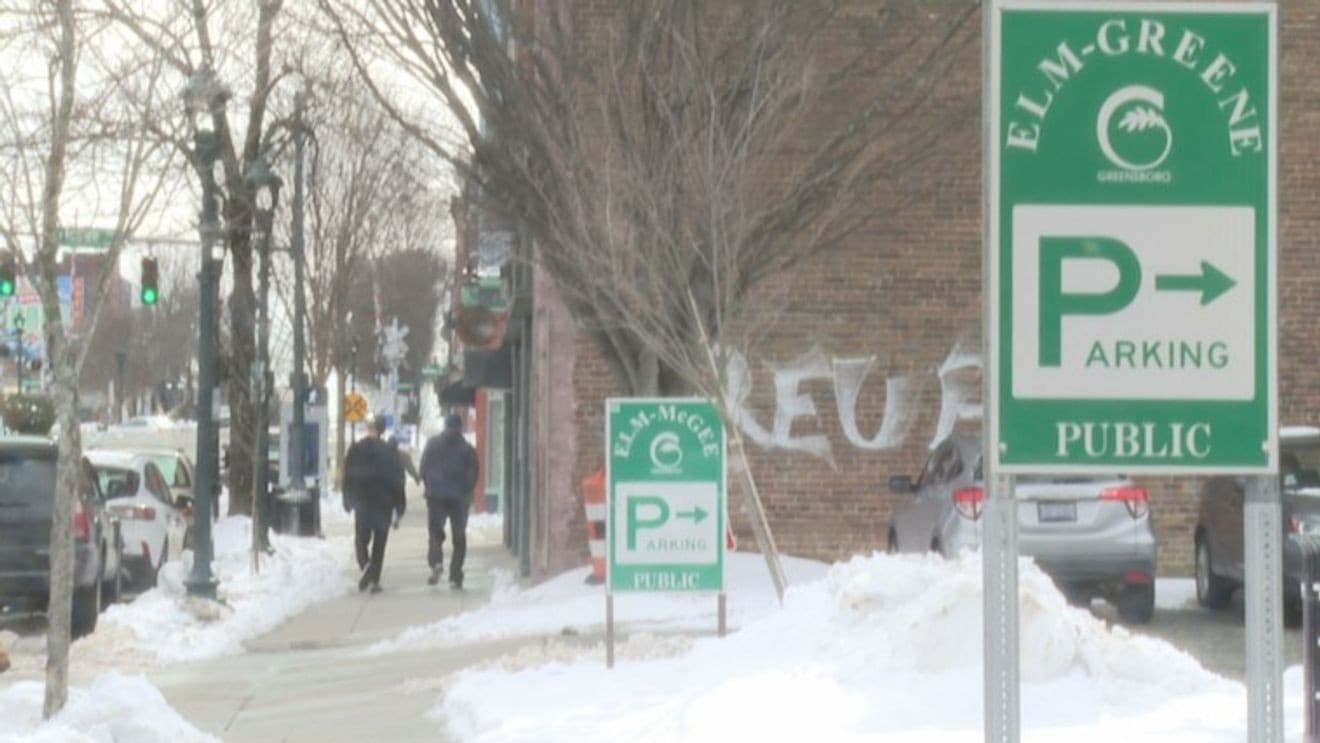
Since the beginning of 2026, several city-owned surface lots in downtown Greensboro have moved from free to paid parking during weekday business hours, and merchants along the Elm Street corridor say the change is already dragging down foot traffic. Business owners, workers and visitors point to unclear signage, inconsistent markings and surprise enforcement as key reasons customers are staying away.
The city is enforcing paid parking Monday through Friday from 8 a.m. to 6 p.m., with parking remaining free after 6 p.m. on weekdays and on weekends. The Greene, McGee and Martin Luther King Jr. paved lots now charge $2 per hour with a maximum billing cap of three hours; the gravel lot on South Elm Street is priced at $3 per day. A three-hour visit therefore can cost a customer up to $6 during weekday hours. Marcel Francis reported that more than 70 parking spaces in the Elm-McGee-Green Street area have been removed or converted over the past several years.
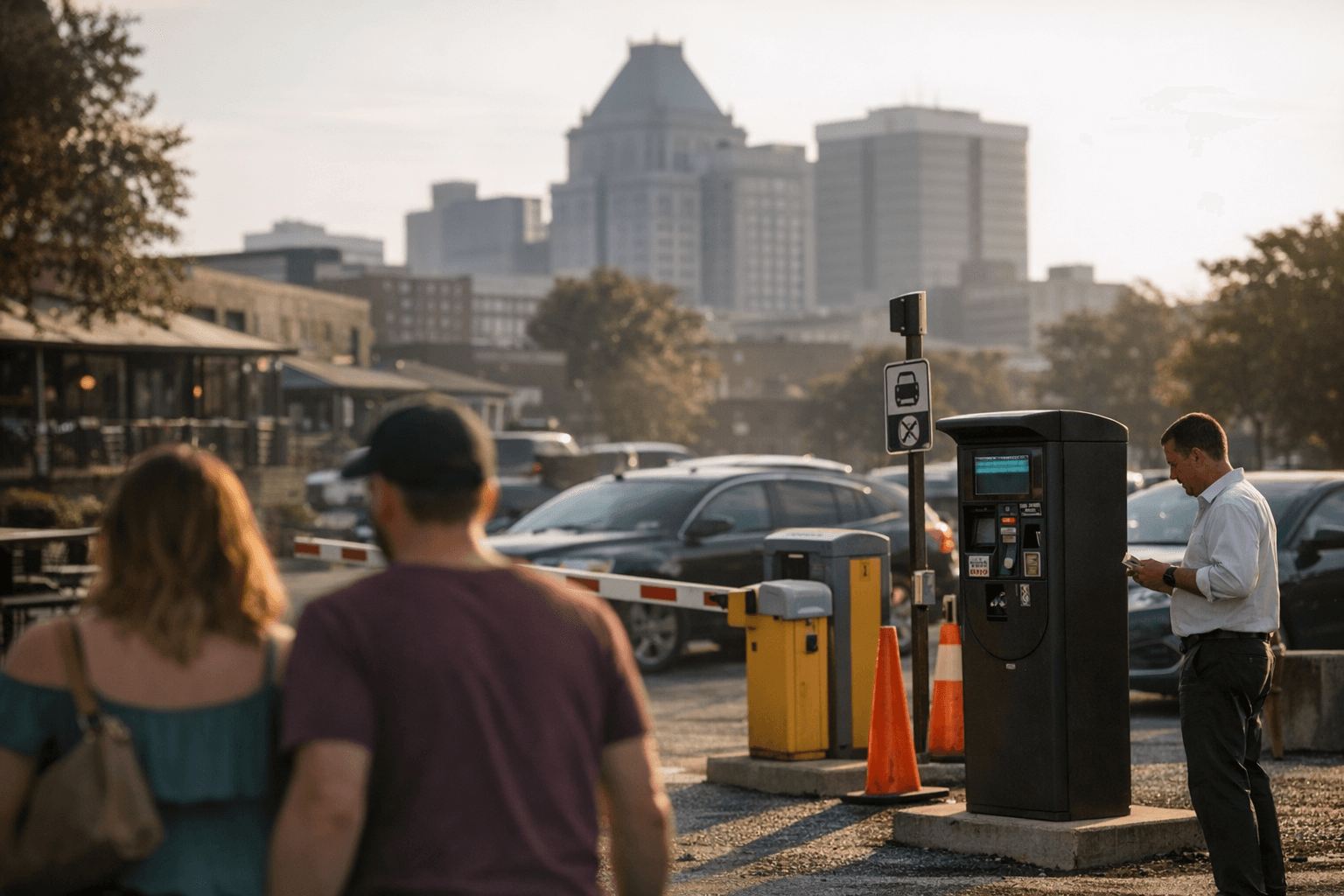
Longtime downtown merchant Easa Hanhan, who has run Jerusalem Market on Elm Street for more than three decades, said customer complaints about parking are persistent: “It’s still the number one issue guests bring up.” Workers and visitors echoed that sentiment. Isaiah Oglesby, who works downtown, said, “It’s definitely gonna suck for some people who are having to adjust, especially coming into the new year. A lot of people aren’t gonna be expecting this.” A downtown visitor who parked in the Elm-McGee lot described his reaction bluntly: “In: free parking. Out: clearly parking in this lot.” Emma Shae Morrow, grabbing coffee downtown, added, “It is disappointing. I feel like we already come here to spend money, and we want to support local businesses, but to also contribute to [the parking] feels a little silly.”
City leaders have framed the policy as a funding tool. Officials say revenue from paid surface lots helps maintain parking facilities and will assist in financing new parking decks, including the February One deck. That rationale pits a municipal revenue and infrastructure argument against downtown small businesses’ concern about reduced customer access.
Public reaction on social platforms underscores the tension. On TikTok and other social posts, commenters said the change will keep them away from downtown, samer.i.am wrote, “Downtown aint that serious for me to pay for parking,” while Dime Piece 💎 said, “Its annoying I definitely go downtown less.” Other commenters raised unverified grievances, including claims of lost free evening parking and high monthly pass costs.
The net effect for local commerce depends on how customers adapt and how the city addresses signage, enforcement consistency and communication. For readers, the immediate implications are practical: weekday visits to affected lots may cost up to $6 for a three-hour stay, and downtown merchants are pressing city leaders for clearer rules and customer-focused policies. The coming weeks should show whether the city will publish detailed counts of converted spaces, revenue projections and any permit options for employees, information that will determine whether paid lots fund downtown renewal or erode local retail traffic.
Know something we missed? Have a correction or additional information?
Submit a Tip