Greg Brockman’s testimony bolsters Musk’s case against OpenAI nonprofit shift
Brockman’s nearly $30 billion stake gave Musk fresh leverage as the trial zeroed in on who controlled OpenAI when its nonprofit mission gave way to a commercial empire.

Greg Brockman’s testimony put OpenAI’s internal balance of power at the center of Elon Musk’s fight to claw the company back toward nonprofit control. Brockman, OpenAI’s president and a co-founder, told the court that his stake in the artificial intelligence company is worth nearly $30 billion, a number that gave Musk’s lawyers a sharp opening to question whether OpenAI’s top insiders profited from a mission they once pledged to protect.
The case is Musk’s 2024 lawsuit against OpenAI, Sam Altman, Brockman and Microsoft. Only two claims remain from the original 26: breach of charitable trust and unjust enrichment. Musk is seeking $150 billion in compensatory and punitive damages and wants the court to force OpenAI back toward a nonprofit structure. OpenAI and its allies say the suit is really an effort to hobble a competitor Musk failed to control, and the trial in Oakland, California, has become a referendum on who had the authority to steer the company as it turned into a commercial powerhouse.
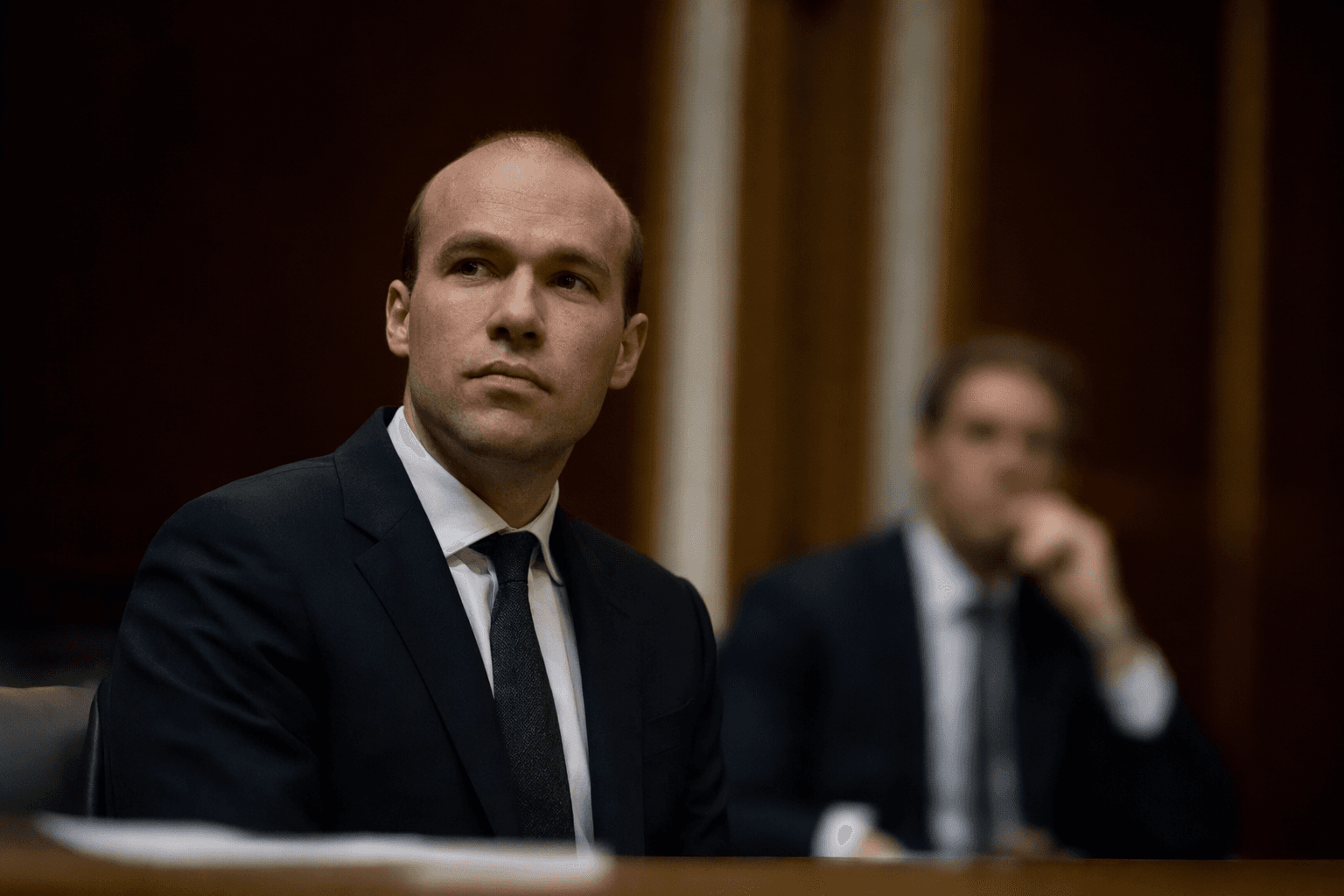
Brockman’s testimony mattered because he is not a peripheral witness. He is Altman’s close lieutenant and one of the most important insiders on OpenAI’s founding promises and later restructuring. Musk’s lawyers used that position to press him on motives and accountability, including a 2017 journal entry in which Brockman wrote, “Financially, what will take me to $1B?” The question before the court is not just whether OpenAI changed direction, but who benefited when it did.
Musk himself was the first witness to take the stand when the trial began on April 28, and the testimony has already exposed the depth of the rift among the company’s founders. Court records also showed that Musk contacted Brockman two nights before trial to discuss settlement and warned him he would make him “hated,” a reminder that the dispute is as personal as it is institutional.
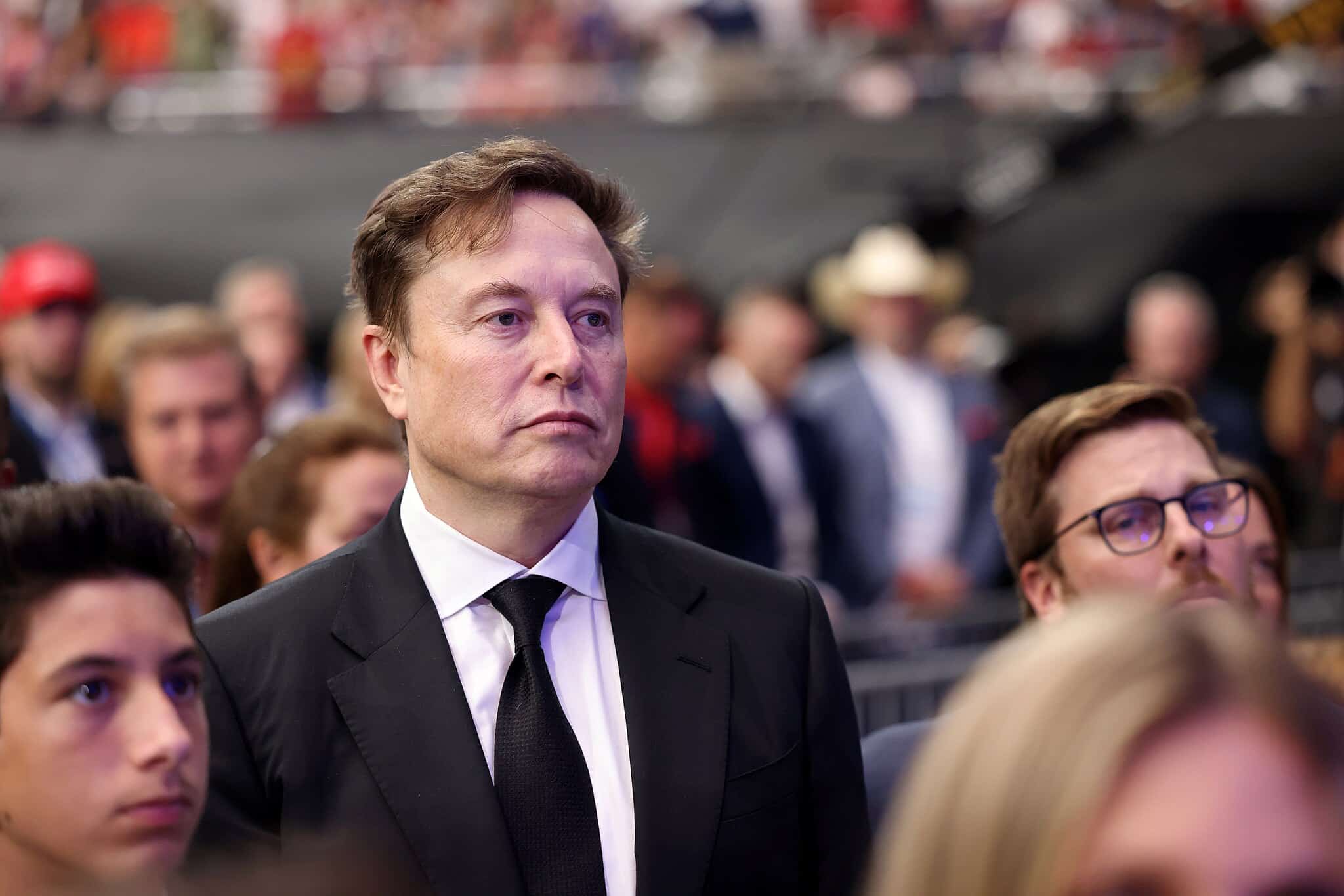
For policymakers, investors and the public, the stakes extend beyond one feud. A ruling could shape how major AI companies raise capital, who controls them, and how far mission claims can stretch once investor returns enter the picture. Brockman’s testimony sharpened that question: when a company born as a nonprofit becomes a commercial giant, who is accountable for the turn?
Know something we missed? Have a correction or additional information?
Submit a Tip