Humanoid robots join waste sorting as recycling plants battle labor shortages
Robots are moving into recycling’s dirtiest jobs, promising cleaner sorting and fewer injuries. The bigger test is whether they fix contamination and safety, or just replace hard-to-staff labor.
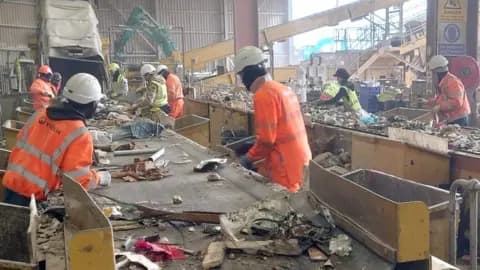
Dust, noise and the risk of handling garbage packed with disease-causing agents have made waste sorting one of recycling’s hardest jobs to fill, and humanoid robots are now moving onto that line.
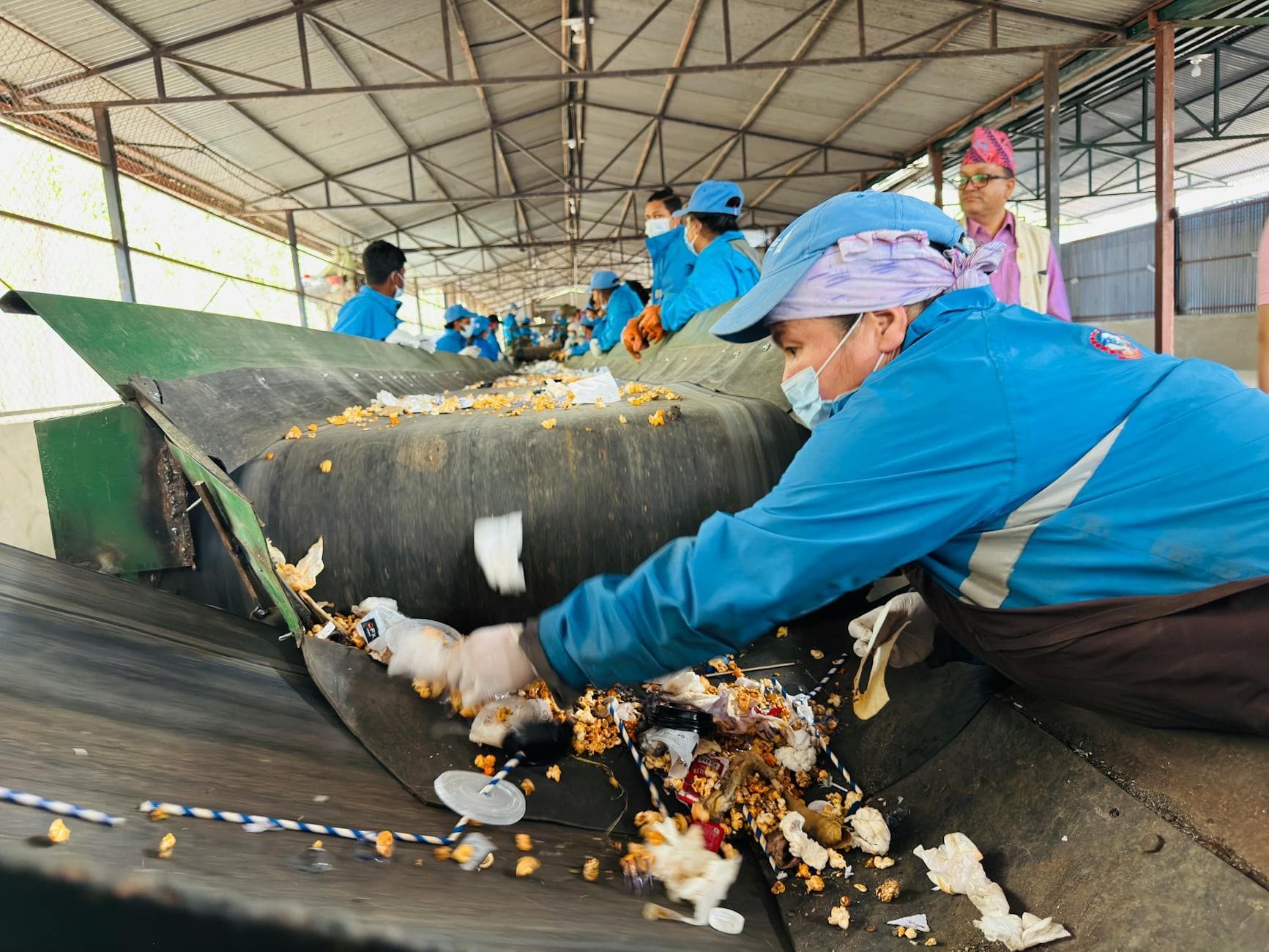
At a recycling plant where robotics is being introduced alongside human staff, the push reflects a wider effort across the material-recovery industry to automate the most punishing work. BBC described waste sorting as dusty and noisy, and said that makes it an unattractive occupation. That recruiting problem has become a practical pressure point for plants that need workers to sort fast, keep contamination down and avoid the bottlenecks that can cripple a facility’s output.
The case for automation is not just speed. A 2023 review in Process Safety and Environmental Protection said manual waste sorting can cause serious health issues because of the disease-causing agents present in garbage. Industry advocates say AI-powered sorting systems can improve purity and reduce contamination, which matters for facilities trying to recover more usable material and keep lower-quality waste out of the stream. In that sense, the machines are being sold not only as labor replacements but as quality-control tools.
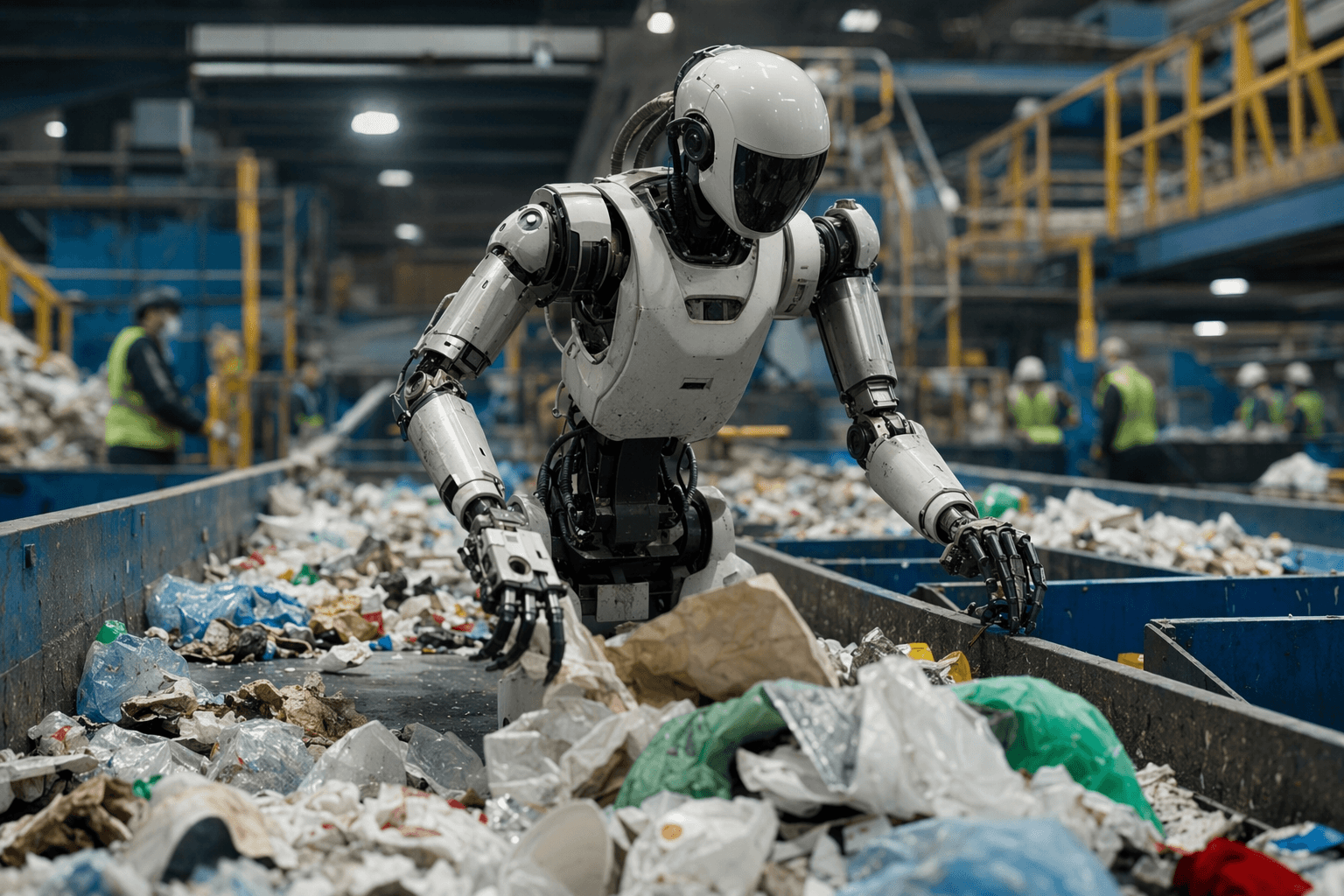
Still, the adoption curve shows how quickly recycling firms are moving from experimentation to deployment. Waste Connections was planning in 2025 to deploy AI-driven sorting robots at a facility in Pennsylvania, a sign that the technology is no longer confined to one-off pilots. As more plants look for workers willing to spend shifts on noisy conveyor lines, the business case for robotic sorting has strengthened, especially where operators struggle to hire or keep staff in physically punishing roles.
The trend reaches beyond recycling. Japan Airlines has been testing humanoid robots to handle travelers’ luggage at Haneda Airport in Tokyo, part of a separate effort to address labor shortages in a job that is also repetitive, heavy and difficult to staff. The overlap matters: waste processing and baggage handling are both low-status, high-strain jobs where employers are increasingly asking whether automation can fill gaps that the labor market will not.
For recycling, the remaining question is whether robotics will genuinely make plants safer and more effective, or whether companies will use labor shortages as cover to accelerate automation without addressing the conditions that made these jobs so hard to keep in the first place. The answer will shape not just plant efficiency, but the future of work in one of the economy’s most physically demanding sectors.
This article was produced by Prism’s automated news system from verified source data, official records, and press releases, then run through automated quality and moderation checks before publishing. The system is built and supervised by the people who set the standards it runs under. Read our full AI policy.
Did this article answer your question?


