Greg Hyman, inventor behind Tickle Me Elmo frenzy, dies at 90
Greg Hyman once called himself “Greg the Inventor” in fourth grade. Decades later, his Tickle Me Elmo idea turned a $30 toy into a $1,000 resale frenzy.
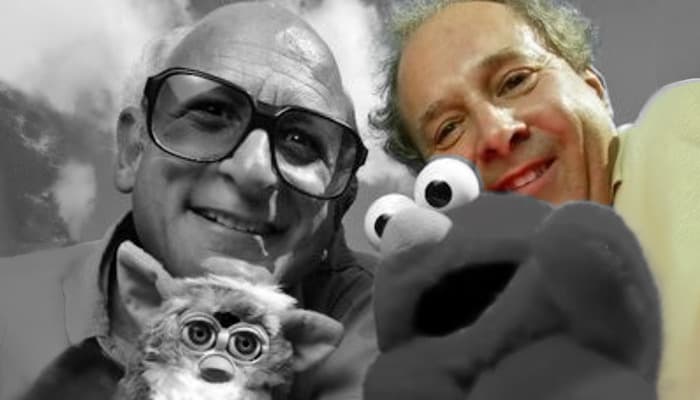
Greg Hyman, the electronics-minded toy inventor whose work helped turn Tickle Me Elmo into a national buying panic, has died at 90, leaving behind a career that showed how much of consumer culture is built by people most shoppers never learn to name.
Hyman was already an experienced inventor when he teamed with Ron Dubren on the idea that would become one of the most sought-after toys of the 1990s. The first version was called Tickles the Chimp. Dubren said the concept was later adapted into Elmo after it was taken to Tyco and Playtime Products and the Sesame Street plush license became available.
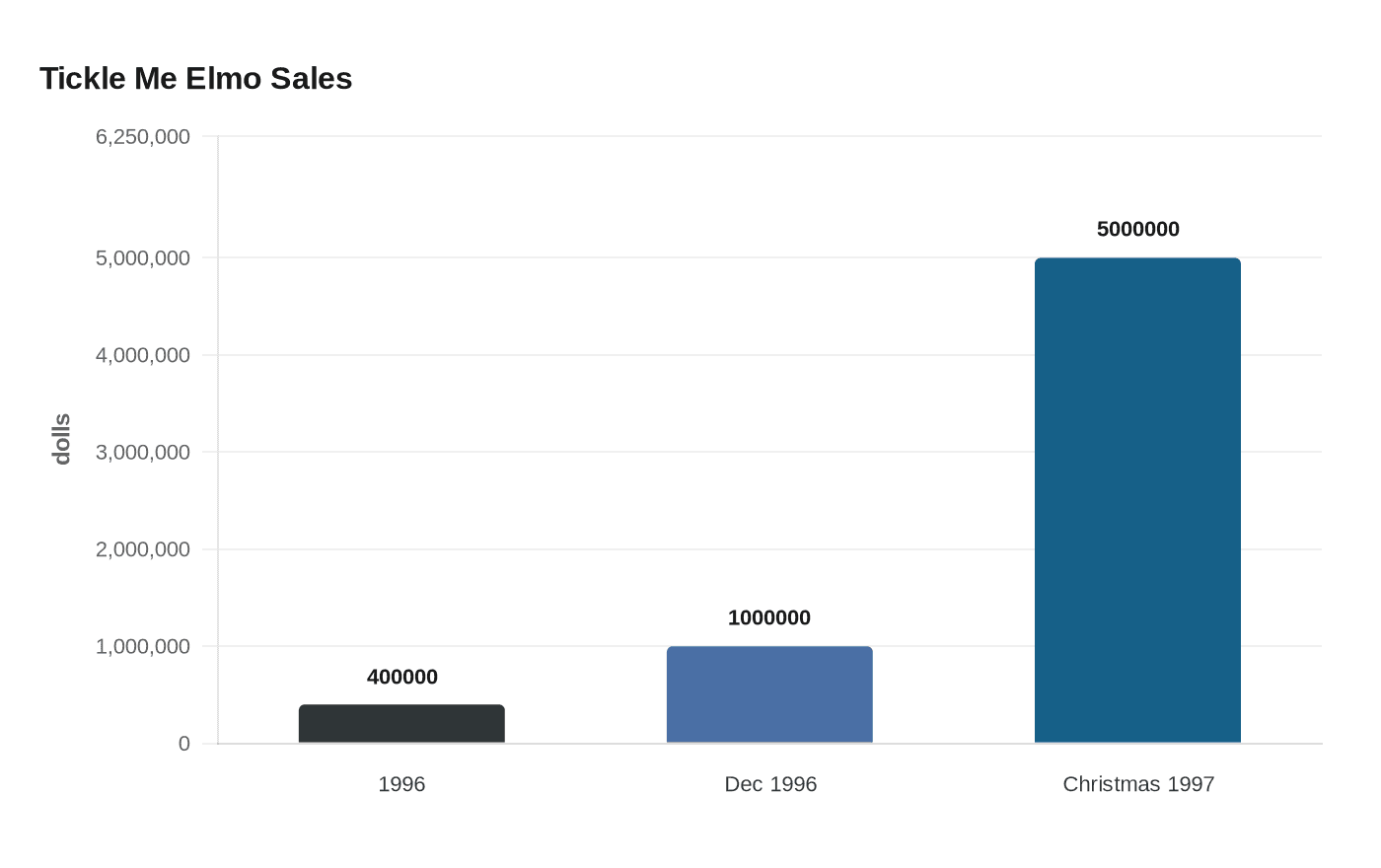
That shift mattered. A giggling plush toy tied to a familiar character had far more retail power than an off-brand chimp ever could. In 1996, Tyco expected to sell 400,000 Tickle Me Elmo dolls. Instead, it sold more than 1 million by the end of December 1996 and 5 million by Christmas 1997. The toy retailed for less than $30, but during the frenzy it was being resold for $1,000 or more.
Hyman’s career stretched far beyond Elmo. In 1974, he and Larry Greenberg formed Hyman/Greenberg Associates, and before Greenberg died in 1992 the pair had licensed 40 toys together. Their inventions included Alphie the Robot, Major Morgan the Electronic Organ and Talking Barney. Hyman ultimately had more than 120 licensed toys in his portfolio, a run that placed him among the industry’s quiet shapers of childhood and commerce.
The inventing impulse appeared early. As a fourth grader in the 1950s, Hyman advertised invention lessons to classmates under the name “Greg the Inventor.” At 11, he sold “Rocket Ship” rides, and by 16 he had co-founded a business installing home burglar alarms. The pattern was unmistakable: Hyman was drawn to gadgets, novelty and the mechanics of making people stop, look and buy.
Tickle Me Elmo later earned a place on TIME’s list of all-time greatest toys, but the deeper story of Hyman’s life is the one behind it. Toy inventors can shape what families beg for at the store, what retailers stock on shelves and what turns into a cultural obsession, even if their own names rarely become household ones.
This article was produced by Prism’s automated news system from verified source data, official records, and press releases, then run through automated quality and moderation checks before publishing. The system is built and supervised by the people who set the standards it runs under. Read our full AI policy.
Did this article answer your question?