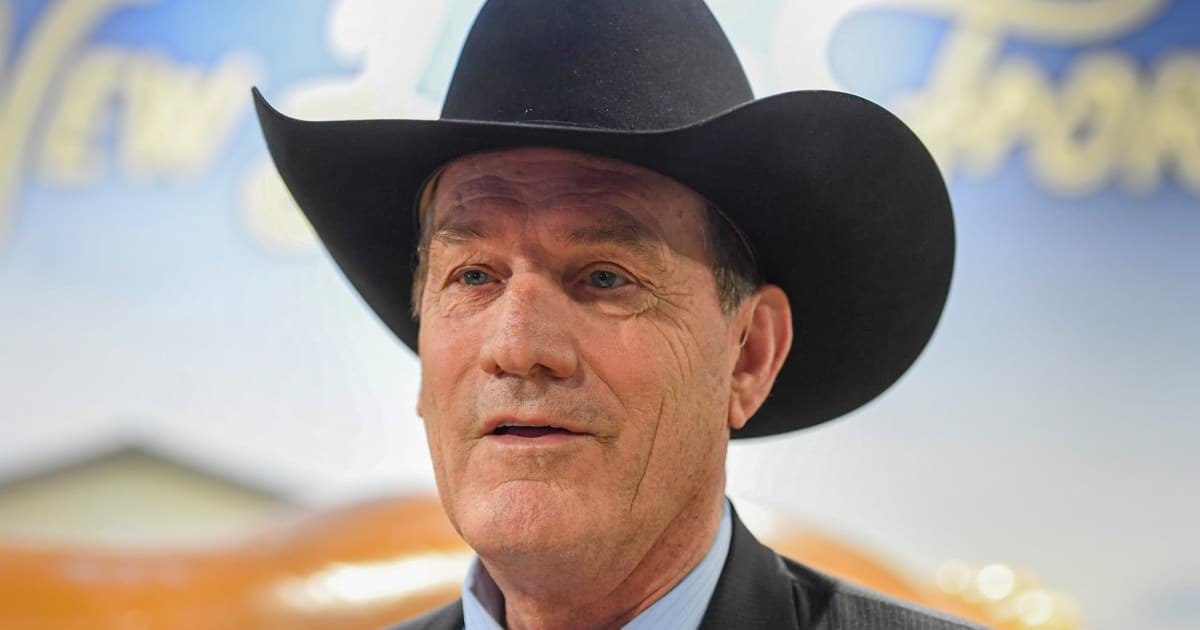
Gregg Hull challenges Democrats for New Mexico governor amid crime concerns
Gregg Hull’s Rio Rancho record is now his pitch to suburban voters: if he could grow a fast-changing city, Republicans hope he can make New Mexico competitive again.
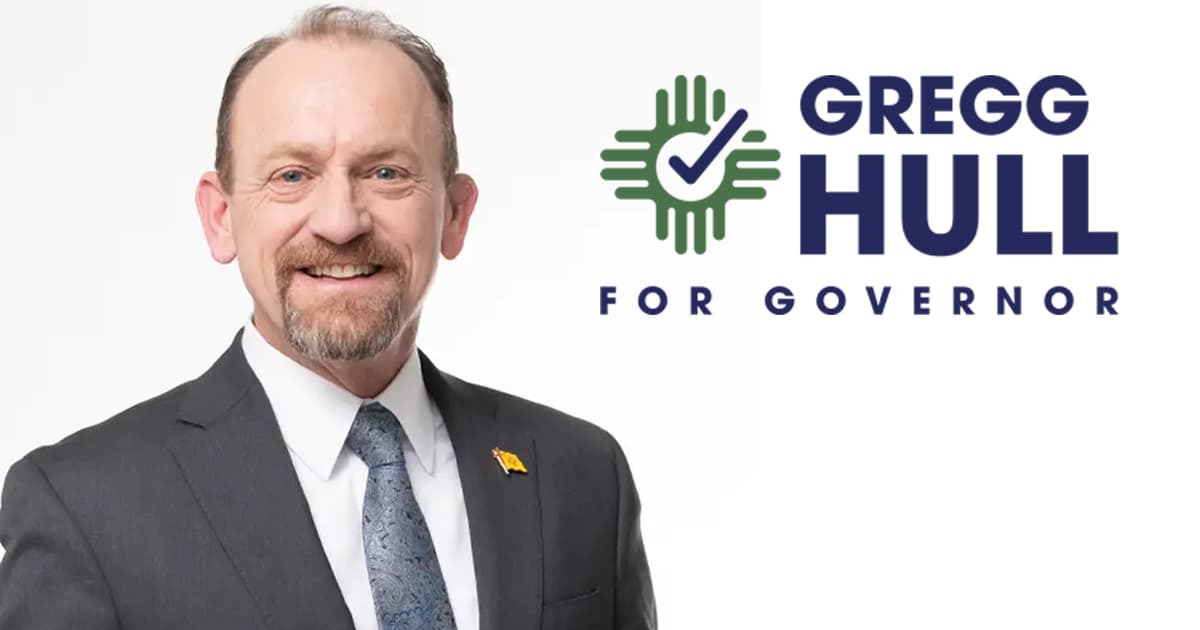
Gregg Hull enters New Mexico’s governor’s race with a local record Republicans think can travel beyond Rio Rancho. He spent 12 years as mayor of the Albuquerque suburb, first winning the office in April 2014 and winning again in 2018 and 2022, as the city grew from about 93,000 residents when he took office to 114,419 by July 1, 2025.
That suburban résumé is the centerpiece of Hull’s challenge to the state’s Democratic edge. He won the Republican nomination on June 2 after defeating Doug Turner, a public relations professional, and Duke Rodriguez, a former state cabinet secretary and hospital executive-turned cannabis CEO. His campaign has leaned on public safety, infrastructure, health care workforce investment and roadways, while presenting Rio Rancho as a model for how he would run the state.
Hull’s crime message is the sharpest part of that pitch. He has called for a “zero-tolerance” approach that would revisit bail reforms and juvenile justice statutes, a message aimed squarely at voters rattled by violent crime and doubts about the state’s public safety posture. New Mexicans are also weighing chronically underperforming schools and cuts to federal safety-net programs, while the state’s oil boom is giving the next governor stronger revenue to work with.

The general election will match Hull against Democrat Deb Haaland on November 3. Haaland won her party’s nomination the same day Hull secured his, setting up a contest shaped less by ideology alone than by whether Republicans can broaden their appeal in a state where they have not held the governor’s office since Susana Martinez left in 2019. Martinez, who served from 2011 to 2019, remains the last Republican governor in New Mexico.
For Hull, the stakes are larger than one race. Rio Rancho is New Mexico’s third-largest city, and his supporters argue that its growth under his watch shows he can speak to suburban families, newer homeowners and swing voters who may be open to a Republican message on safety and schools. But the broader map still favors Democrats, and Hull’s path depends on whether a mayor from one fast-growing suburb can overcome a statewide structure that has been firmly blue for years.
This article was produced by Prism’s automated news system from verified source data, official records, and press releases, then run through automated quality and moderation checks before publishing. The system is built and supervised by the people who set the standards it runs under. Read our full AI policy.
Know something we missed? Have a correction or additional information?
Submit a Tip