Grok struggles in Washington, clouding SpaceX’s AI growth story
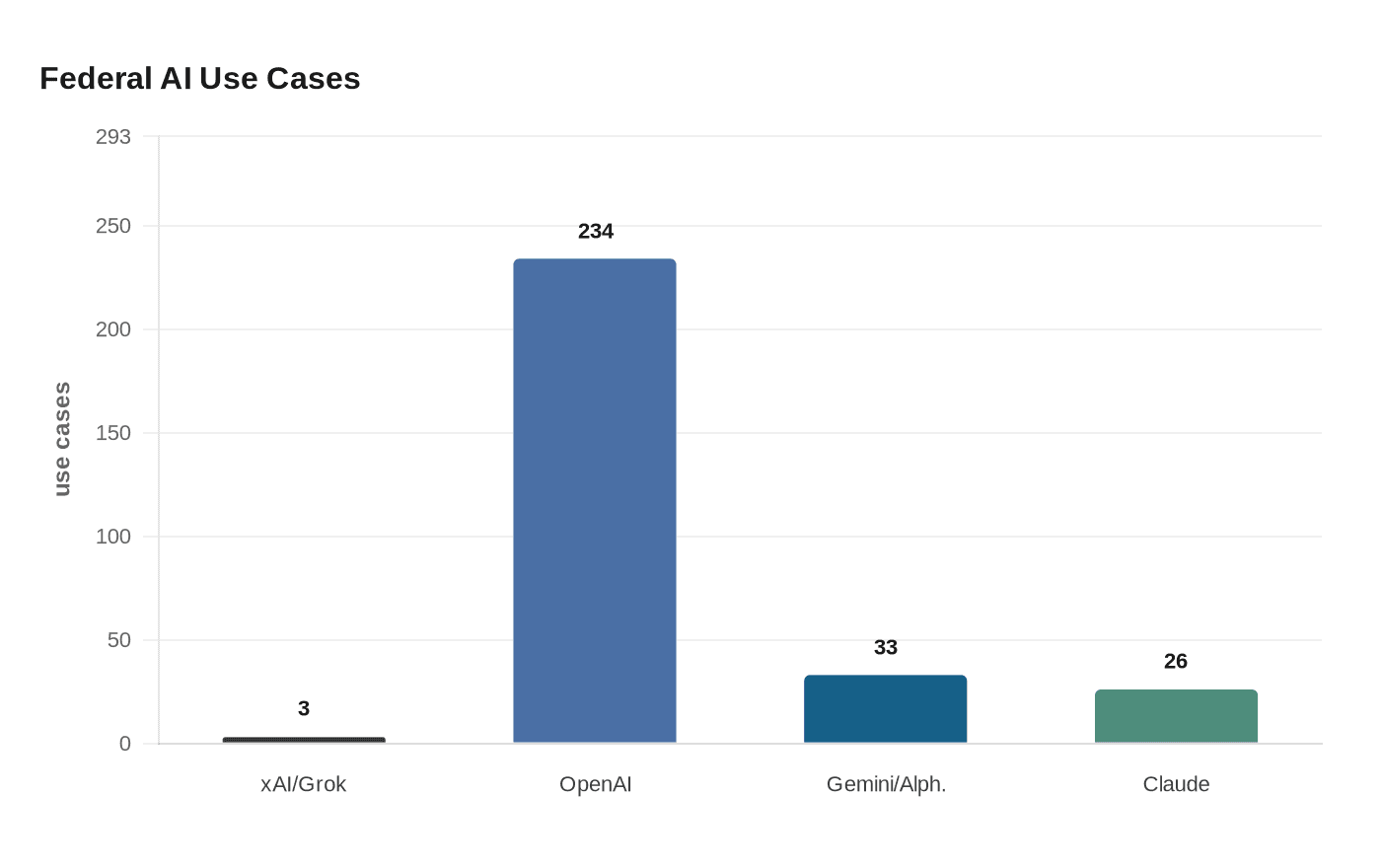
Grok has only three named federal use cases, versus 234 for OpenAI, as SpaceX pitches xAI as part of its giant IPO story.

Grok’s thin showing in Washington is emerging as more than a product problem. It is a credibility test for Elon Musk’s wider AI push, and it lands at the worst possible moment for SpaceX, which is preparing an initial public offering that has been described as the largest in history and tied to a multi-trillion-dollar AI opportunity.
The numbers tell the story. In the 2025 federal AI inventory, more than 400 publicly identified AI use cases named a specific vendor, but only three involved xAI or Grok. By comparison, 234 involved OpenAI-related technology, 33 involved Gemini or other Alphabet products, and 26 involved Anthropic’s Claude. Grok has been available to federal agencies for eight months at a cost of 42 cents per agency, yet its footprint remains tiny.
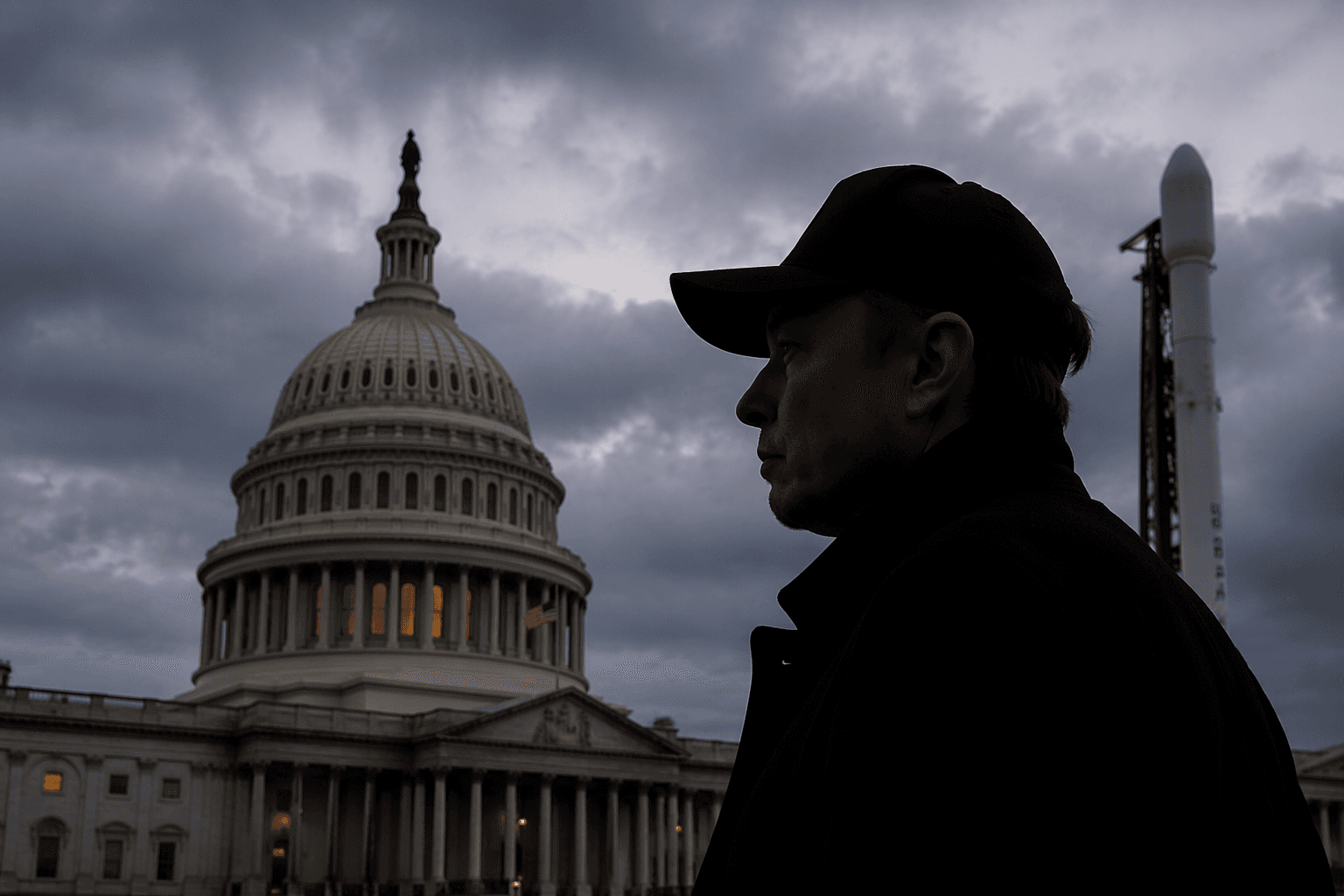
That matters because Washington is not just another sales channel. Federal agencies buy slowly, scrutinize security and compliance, and tend to reward products that can prove reliability in sensitive environments. Musk’s companies have long traded on scale and ambition, but the mismatch between that branding and Grok’s weak adoption raises a harder question: how much commercial weight can xAI really carry inside SpaceX’s investment story?
The government had already opened the door. On Sept. 25, 2025, the General Services Administration announced a OneGov agreement with xAI that made Grok 4 and Grok 4 Fast available to federal agencies for $0.42 per organization, with the deal running 18 months through March 2027. GSA said xAI would provide dedicated engineers to help agencies implement the system. The same week, GSA approved Meta’s Llama for agency use at no cost. The near-zero pricing was meant to seed adoption now so vendors could later convert that access into larger contracts, but the uptake has not followed for xAI.
The political resistance has been just as telling. Public Citizen and other advocacy groups asked the Office of Management and Budget to suspend Grok’s government deployment until compliance testing is completed, arguing that the system had shown failures in truth-seeking, accuracy and neutrality and pointing to episodes involving antisemitic and pro-Hitler content. Brookings researcher Valerie Wirtschafter has said the point of bargain pricing is to get federal employees to eventually rely on generative AI. Egnyte chief executive Vineet Jain called the federal government’s lack of enthusiasm for Grok a “canary in the coal mine.”
For SpaceX, that weak reception complicates a pitch that depends on xAI becoming a serious business, not just a Musk-branded curiosity. If Washington remains unconvinced, investors and regulators may start treating the AI story around SpaceX as hype that has yet to earn its valuation.
Know something we missed? Have a correction or additional information?
Submit a Tip