SpaceX launches Starship’s most powerful test flight yet from Texas
Starship’s 12th flight cleared firsts for V3, Raptor 3 and Pad 2, but the harder proof still lies ahead: reuse, reliability and lunar landing work.

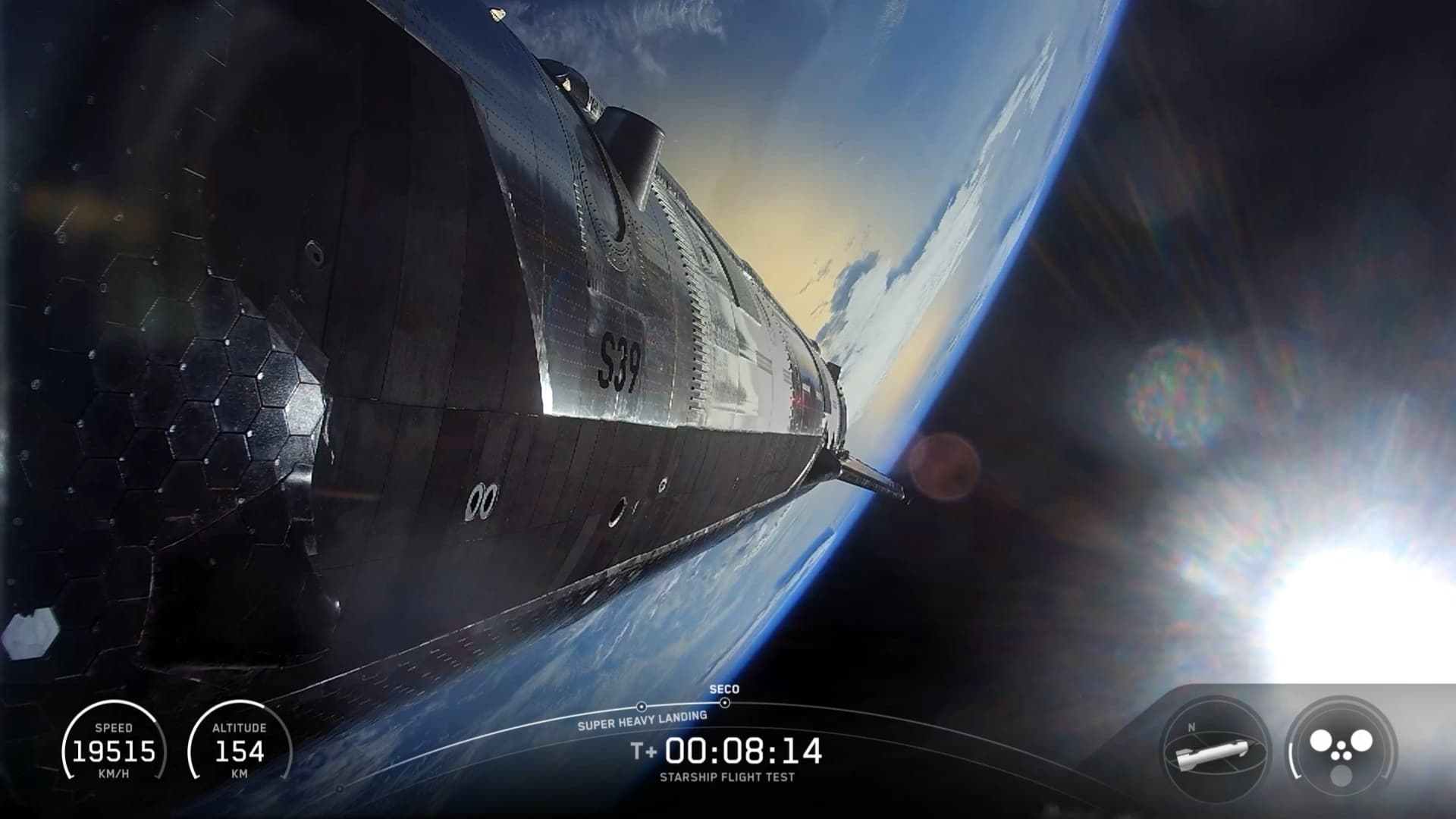
SpaceX sent Starship skyward from Starbase, Texas, in the rocket program’s most ambitious test yet, with the company’s twelfth flight test lifting off at 5:30 p.m. CT on Friday, May 22, 2026. The launch marked the first flight of the Starship and Super Heavy V3 vehicles, the first flight of the Raptor 3 engines, the first Starship mission from Pad 2, and the first time the program used modified Starlink satellites to image Starship in space.
The flight was a visible milestone for a vehicle SpaceX says is its third-generation Starship and Super Heavy system, designed as a fully reusable transportation system for crew and cargo headed to Earth orbit, the Moon, Mars and beyond. SpaceX says the system is built to lift more than 100 metric tonnes to orbit in a fully reusable configuration, a claim that puts the program in a different class from any rocket flying today.
The engineering changes were not cosmetic. SpaceX said the Super Heavy V3 booster carries major upgrades, including three grid fins instead of four, with each fin 50% larger and significantly stronger. The company has framed the vehicle as the product of years of flight testing and development, with a new ship, new booster, new engines, new pad and new test site all rolled into one campaign.
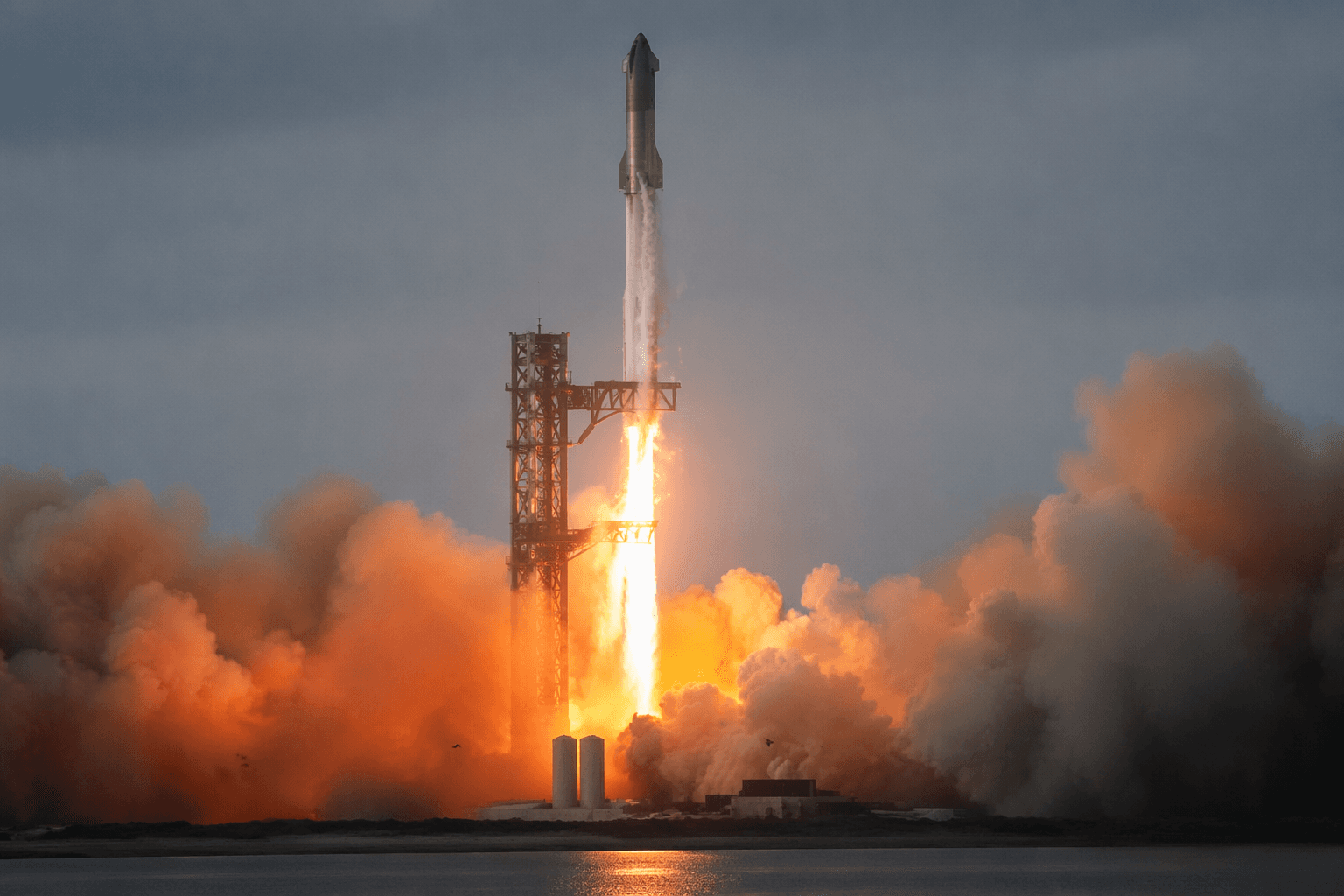
That is the progress. The hype is everything Starship is supposed to become, but this flight only proved the first steps of that architecture under real launch conditions. It showed SpaceX can field the next-generation stack and launch from its new pad. It did not, by itself, prove routine reusability, operational cadence or the kind of deep-space reliability NASA needs for crewed lunar missions.
NASA has said Starship is an important milestone for Artemis and for SpaceX’s Starship Human Landing System, which is intended to put astronauts near the Moon’s south pole on Artemis III and Artemis IV. That makes each test more than a company demo. It is part of the hardware path for a lunar landing architecture that still has to earn confidence on safety, performance and repeatability.
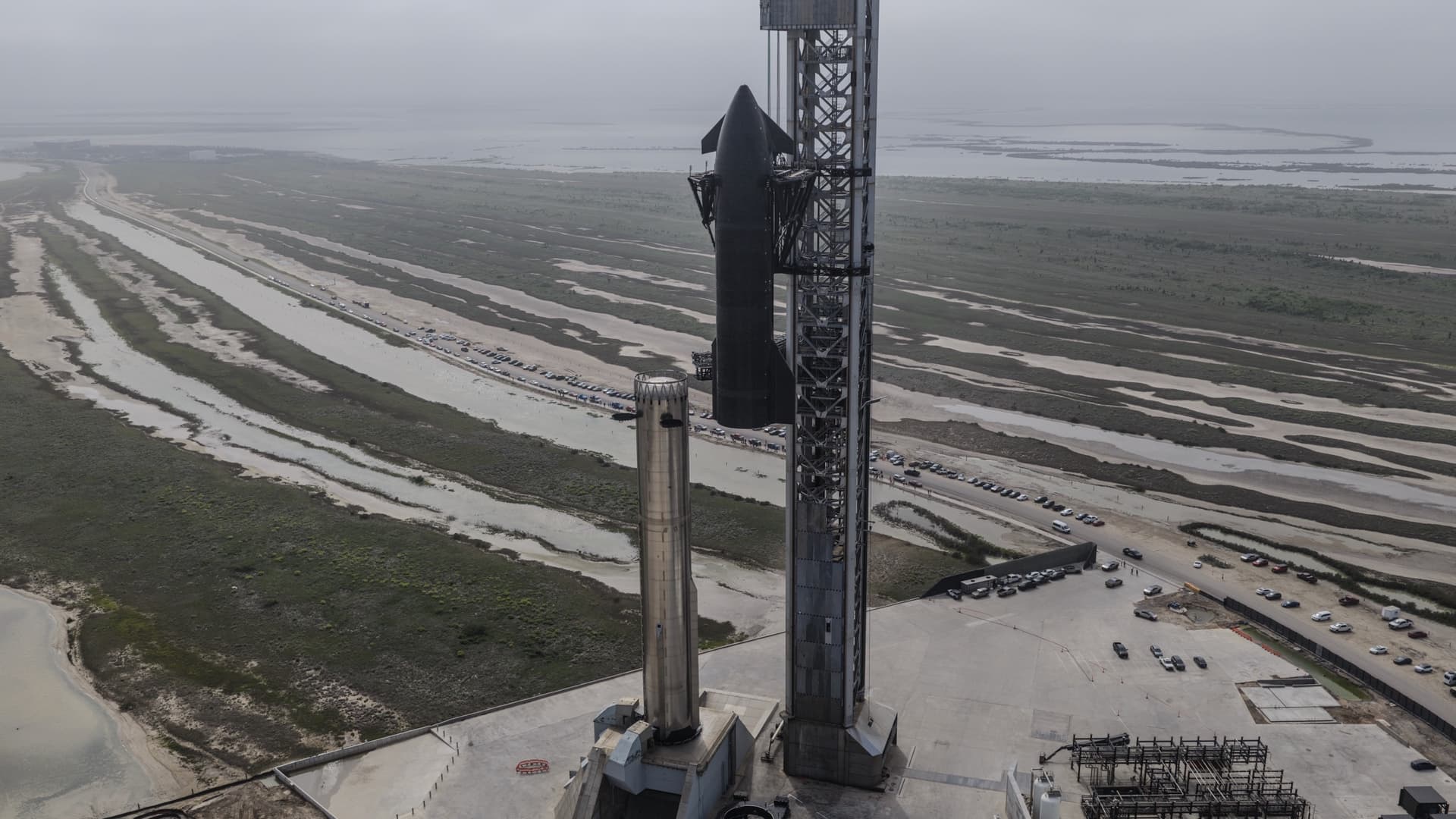
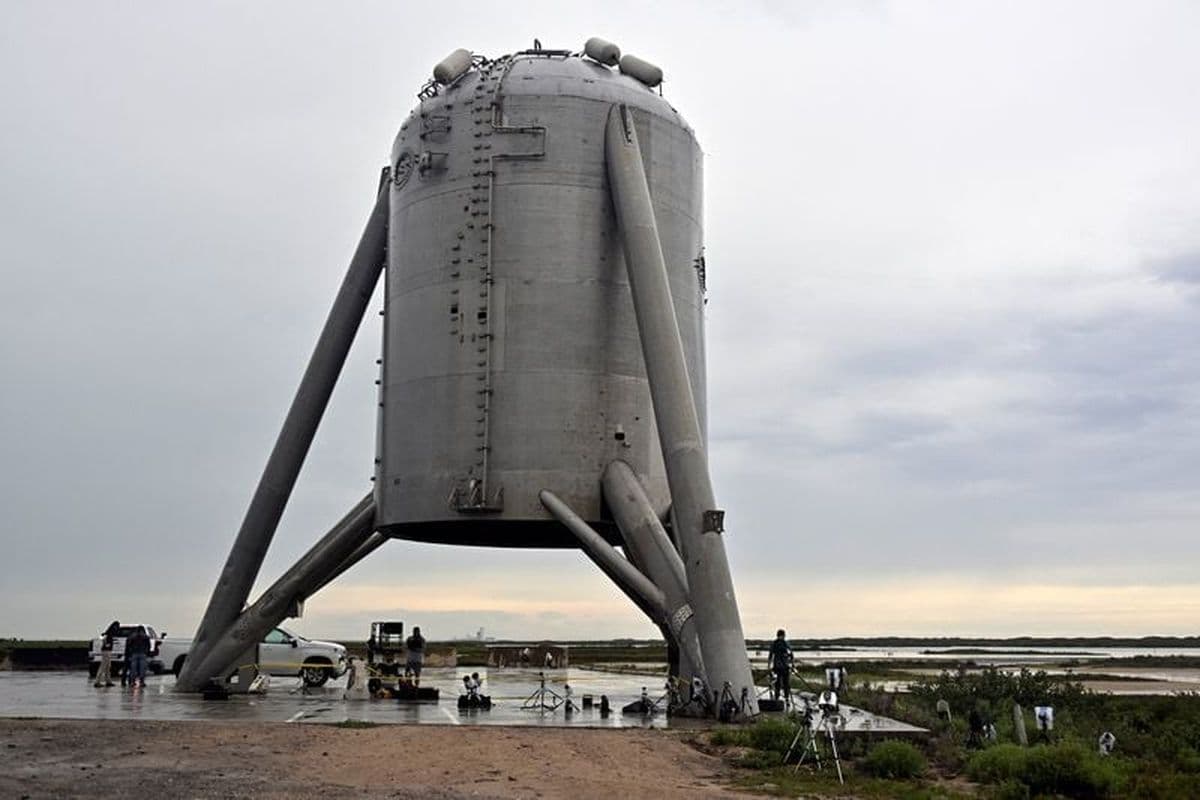
Starship’s earlier tests show how much each launch has mattered. SpaceX’s third integrated flight test lifted off on March 14, 2024, and its tenth flight test launched on August 26, 2025, which the company said met every major objective and supplied critical data for the next generation. The latest flight extends that record, but the central question remains unchanged: can SpaceX turn a spectacular launch into a reliable system?
Know something we missed? Have a correction or additional information?
Submit a Tip