SpaceX launches Starship Flight 12, new rocket tests end in splashdown
Starship Flight 12 lifted off from Pad 2 and ended in a planned Indian Ocean splashdown, turning a fiery finish into a critical test checkpoint.
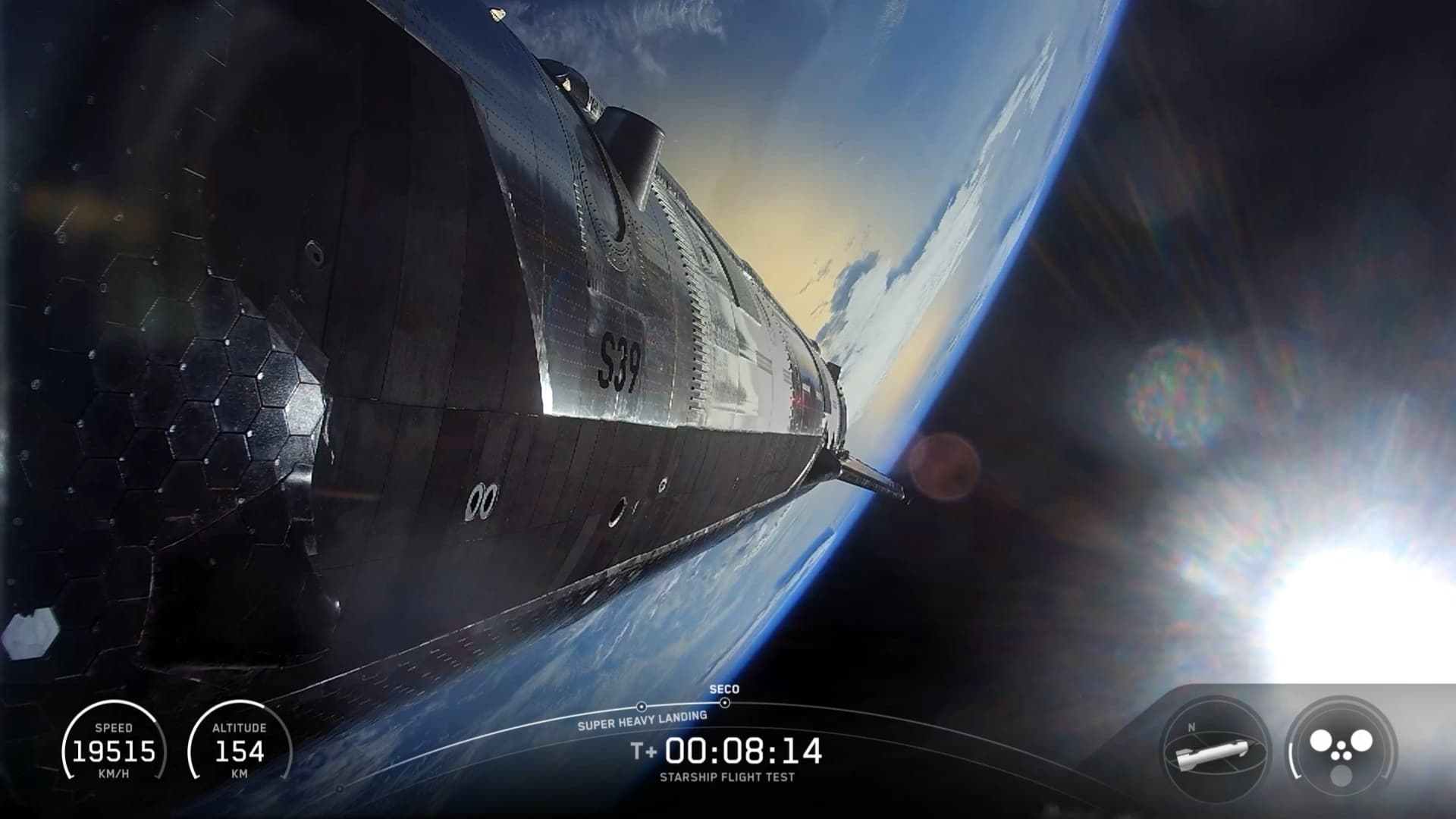
SpaceX’s Starship Flight 12 did not end with a clean landing, and that was never the point. The vehicle rose from Starbase, Texas, at 5:30 p.m. CT on Friday, May 22, after a scrubbed first attempt the day before, then carried the company’s newest Starship and Super Heavy V3 hardware into its twelfth flight test.
The mission marked several firsts at once. It was the debut of Starship and Super Heavy V3, the first flight powered by Raptor 3 engines, and the first Starship launch from Pad 2 at Starbase. SpaceX said the upgraded Super Heavy booster uses three larger, stronger grid fins instead of four, part of a broader redesign that also brought major changes to the launch pad itself. The company said the flight was meant to deploy modified Starlink satellites for in-space imaging of Starship, giving engineers another way to evaluate the vehicle in flight.
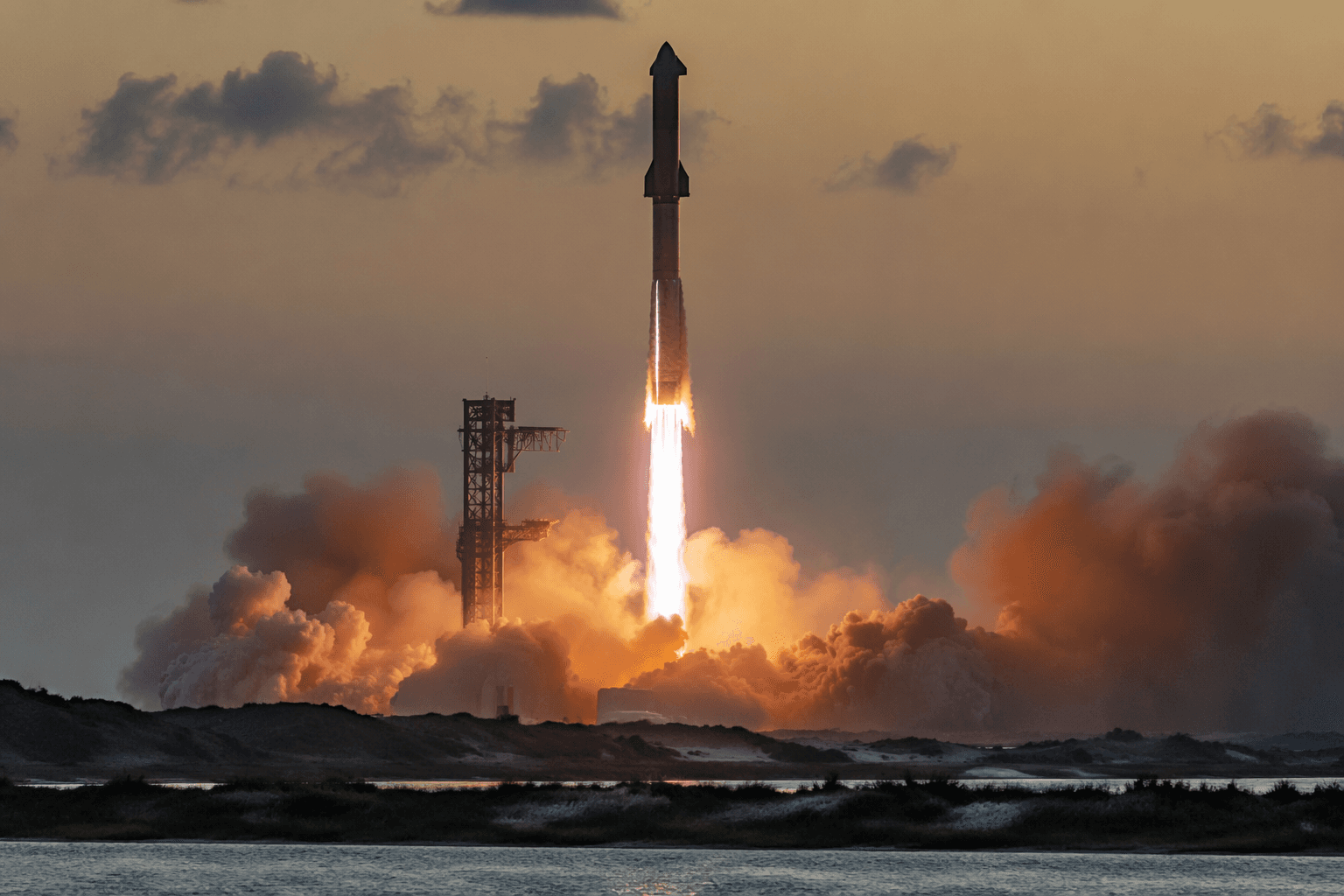
SpaceX has cast Starship as the centerpiece of its long-term ambitions: a fully reusable transportation system for crew and cargo to Earth orbit, the Moon, Mars and beyond. It says the rocket is designed to carry more than 100 metric tonnes to orbit in a fully reusable configuration, a capacity that would reshape how NASA and commercial customers think about launch logistics if the system matures as planned.
The splashdown in the Indian Ocean, after a fiery reentry and impact, was the moment that will matter most to SpaceX’s engineering teams. It signaled that the test was being treated as a data-gathering checkpoint rather than a neat finish line. The company’s next question is not whether the ship can make a dramatic arrival in the ocean. It is whether the upgraded architecture, from the V3 booster to the Raptor 3 engines and the new Pad 2 infrastructure, delivered enough flight data to justify the next step.
That is why Flight 12 mattered well beyond the spectacle. Coverage around the launch described it as an important development step for NASA’s Artemis program, where Starship remains central to future lunar plans. After months without a Starship launch, the debut of the next-generation vehicle widened the gap between aspiration and operational use, but it also moved the program one increment closer to proving that the biggest rocket ever developed can become a dependable system rather than a one-off show of force.
Know something we missed? Have a correction or additional information?
Submit a Tip