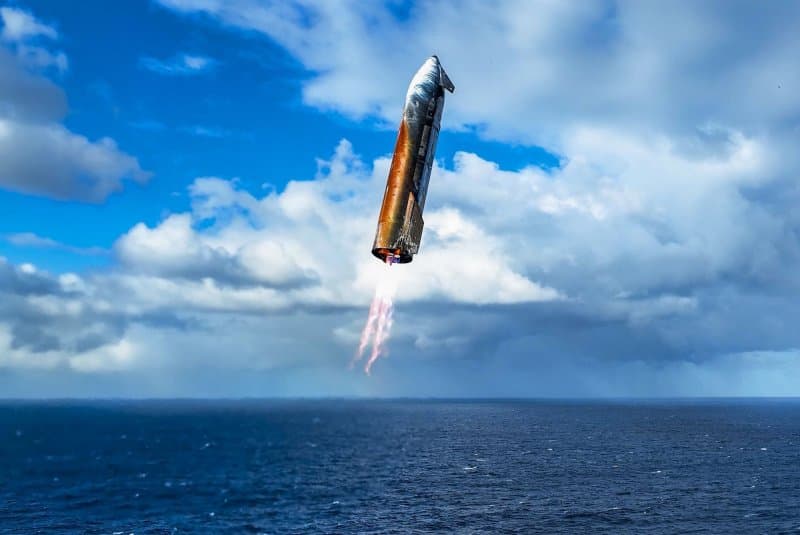
SpaceX launches upgraded Starship V3 in first test from Pad 2
Starship V3 cleared its first flight from Pad 2, but booster and ship still fell short of full reuse as SpaceX eyes NASA contracts and a possible IPO.
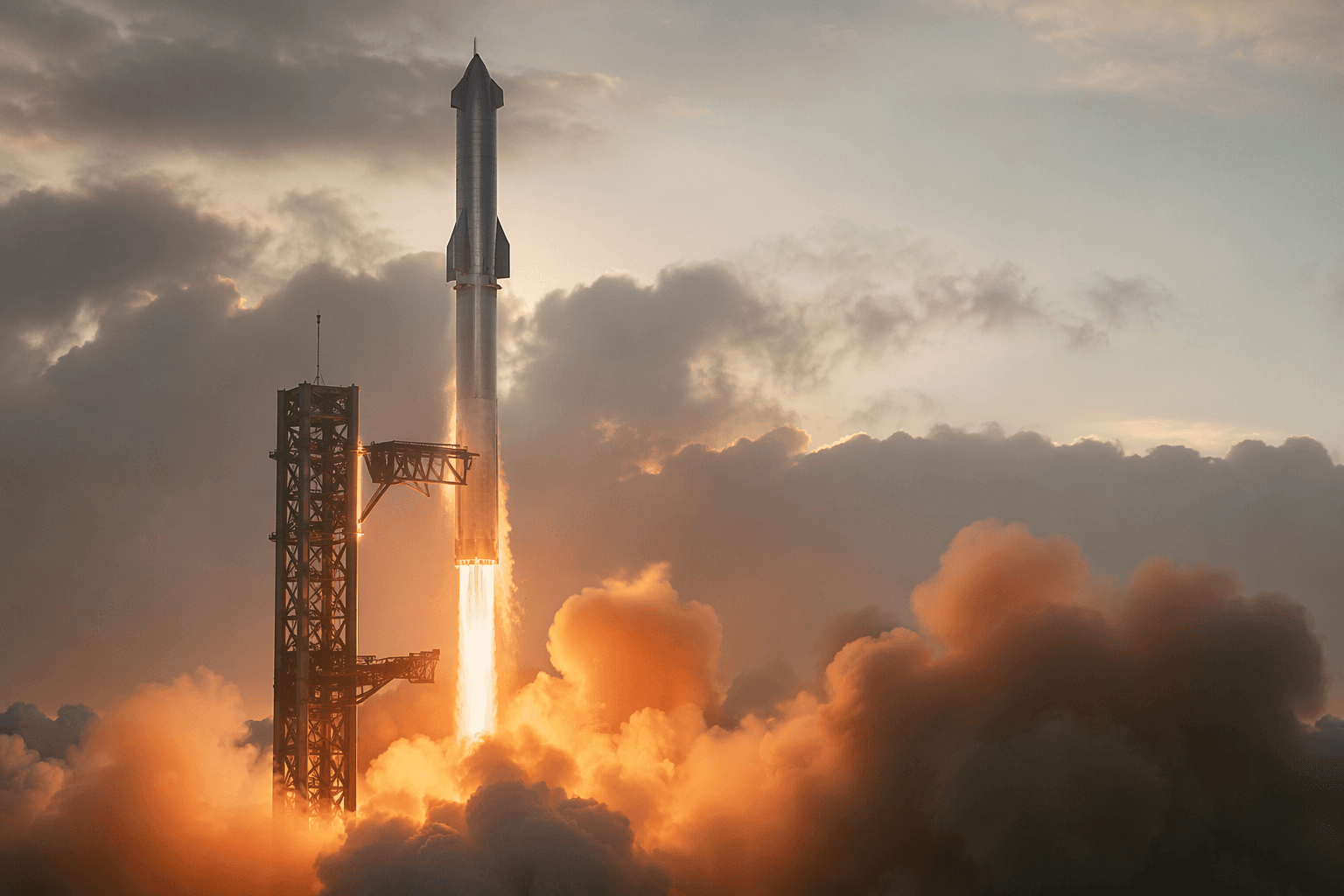
SpaceX put its upgraded Starship V3 into flight for the first time Thursday evening, lifting the giant rocket from Starbase in South Texas at about 5:30 p.m. Central time and marking the company’s first Starship launch in seven months. The test came two days after Elon Musk said SpaceX would go public, sharpening the stakes for a vehicle that must still prove it can move from headline-grabbing launches to a reliable launch system.
The mission was Starship’s 12th test flight and the debut of the Starship V3 and Super Heavy V3 configuration from Pad 2, SpaceX’s newly completed launch site near Brownsville, Texas. SpaceX said the flight was designed to demonstrate major redesigns across the ship, booster, Raptor engines and launch pad, all intended to support full and rapid reuse. The rocket carried 20 mock Starlink satellites, which were released during the suborbital cruise, and SpaceX said it was the first Starship flight to deploy modified Starlink satellites to image the vehicle in space.
The test showed meaningful progress, but it also left the most important commercial questions open. SpaceX said the booster completed ascent and stage separation, but it did not light all planned engines for boostback and ended in a hard splashdown in the Gulf of America. The upper stage lost one of its Raptor 3 vacuum engines during ascent, though it still reached its planned trajectory. The spacecraft later splashed down in the Indian Ocean and erupted in flames on impact, which SpaceX said was expected. For a program meant to become a reusable transport system, those are advances, not proof of operational maturity.
That distinction matters most for NASA and for any future investors weighing Musk’s public-market ambitions. NASA is counting on Starship to land astronauts on the moon under Artemis, with the agency still aiming for a lunar landing in the late 2020s, while SpaceX also wants the rocket to evolve into a Mars-capable system. After a string of 2025 failures that included explosions and debris that disrupted air travel, the company needed evidence that it could improve reliability without losing pace. NASA Administrator Jared Isaacman said Starship is now one step closer to the moon, and praised the launch on X as “a hell of a V3 Starship launch” and “one step closer to the Moon…one step closer to Mars.” The flight delivered a stronger case that SpaceX is still moving forward, but not yet one that removes the technical risk between spectacle and a usable launch system.
Know something we missed? Have a correction or additional information?
Submit a Tip