Waymo pauses robotaxi service after software flaw sends cars into floodwater
Floodwater forced Waymo to pause service and recall 3,791 robotaxis, exposing how autonomous systems still struggle with weather hazards.
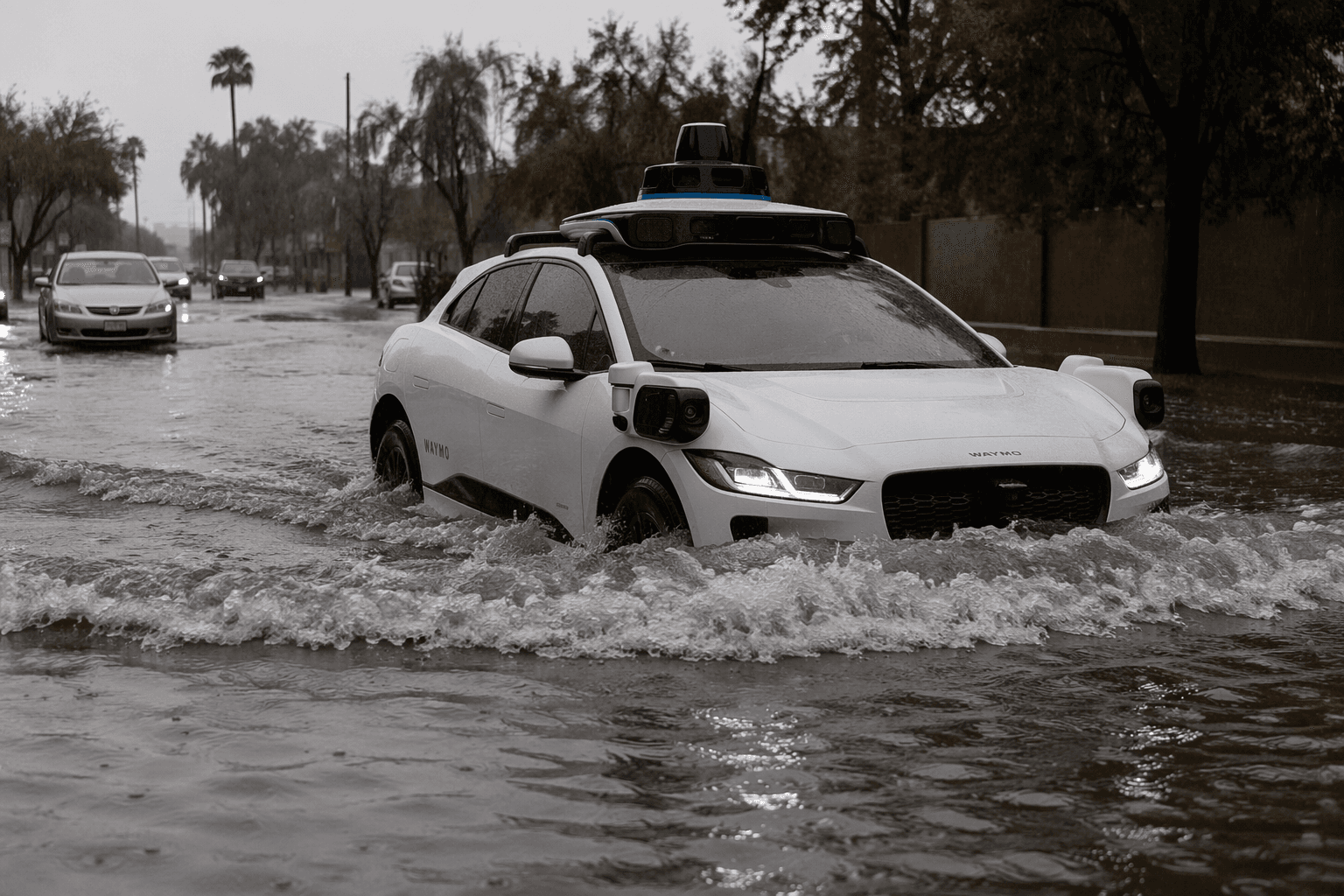
Waymo has pulled back parts of its robotaxi service after a software flaw sent some vehicles into floodwater, a reminder that autonomous driving is being tested not just on city streets, but in the kind of chaotic weather conditions that can overwhelm even sophisticated maps and sensors. The company expanded the pause after an incident in Atlanta, following an earlier case on April 20 in San Antonio, Texas, where an empty Waymo vehicle entered a flooded road and was swept into a creek.
Waymo said the move was taken “out of an abundance of caution,” and said safety remains its “highest priority.” The temporary stop affects freeway service in San Francisco, Los Angeles, Phoenix and Miami, along with service in Atlanta and four Texas cities, while the company works on additional software safeguards and evaluates performance in construction zones. The decision puts a spotlight on how robotaxi operators are expected to handle edge cases that conventional drivers may encounter only rarely, but that can carry high stakes when a vehicle is operating without a person behind the wheel.
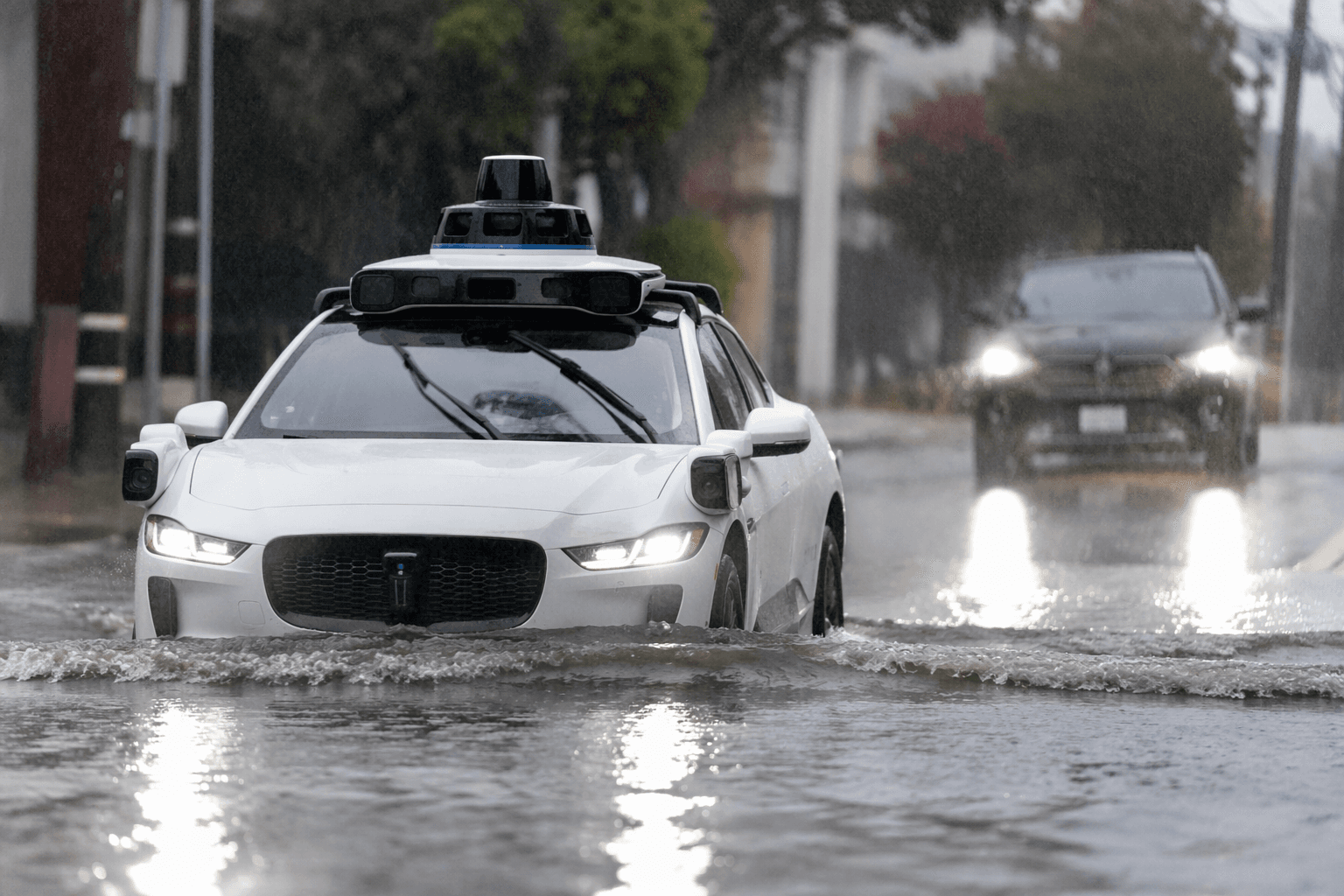
The issue was serious enough to trigger recall action. National Highway Traffic Safety Administration recall documents cover 3,791 Waymo vehicles and automated driving system units built from March 17, 2022 through April 20, 2026. Regulators said the defect could allow a Waymo vehicle to slow but not stop when it detects a potentially untraversable flooded lane, and that the software may allow the vehicle to slow and then drive into standing water on higher-speed roadways, creating a risk of loss of vehicle control. Waymo’s recall chronology says the company’s Safety Board reviewed the matter on April 24 and decided to conduct a recall after an unoccupied vehicle encountered an untraversable flooded roadway on April 20.
NHTSA said the interim remedy increased weather-related constraints and updated vehicle maps, and that all affected vehicles received the update by April 20. That matters because Waymo is no longer a niche experiment. In May 2025, the company said Waymo One was providing more than 250,000 paid trips each week and operating a commercial fleet of more than 1,500 vehicles across San Francisco, Los Angeles, Phoenix and Austin. By April 2026, it said its service covered more than 1,400 square miles across 11 cities, giving any service interruption broader national significance for riders and for the robotaxi market.
The floodwater pause also lands as Waymo pushes abroad. In October 2025, the company said it intended to offer rides in London in 2026, and by April 2026 it said autonomous driving had begun there with trained specialists behind the wheel after tens of thousands of miles of local testing. The British government opened applications on May 22, 2026 for self-driving taxi and bus-style pilot schemes, a sign that regulators overseas are likely to study these U.S. failures closely before giving robotaxis wider room to expand.
Know something we missed? Have a correction or additional information?
Submit a Tip