SpaceX Starship V3 completes first test flight, splashdowns planned in ocean
Starship V3 flew its first test mission, deploying 20 simulators and two satellites before a planned Indian Ocean splashdown. The result still leaves booster recovery and engine reliability as key questions.
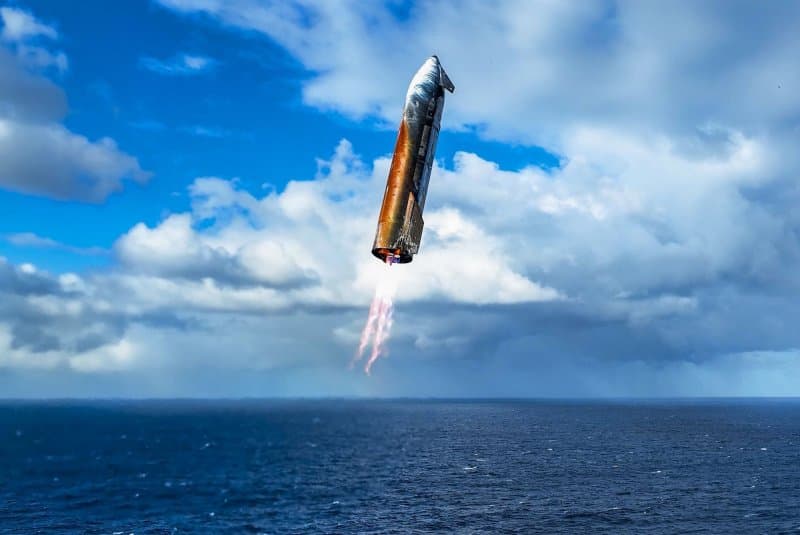
SpaceX’s upgraded Starship V3 made its first test flight and reached a planned splashdown in the Indian Ocean, a milestone that shifts the program a step closer to routine operations and away from pure spectacle. The flight lifted off from Starbase, Texas, at 5:30 p.m. CT on Friday, May 22, using Starship and Super Heavy hardware in V3 form for the first time, along with the debut of the Raptor 3 engine family and the first launch from Pad 2.
The upper stage carried out the mission’s key in-space work, deploying 20 Starlink simulators and two modified Starlink satellites. SpaceX said the vehicle then re-entered the atmosphere, gathered heat-shield and structural-strength data, performed a planned landing flip and landing burn, and splashed down as intended in the Indian Ocean. That sequence mattered because it showed the ship could survive the full arc of ascent, orbital flight, atmospheric return and controlled descent, even if not every engine stayed lit.
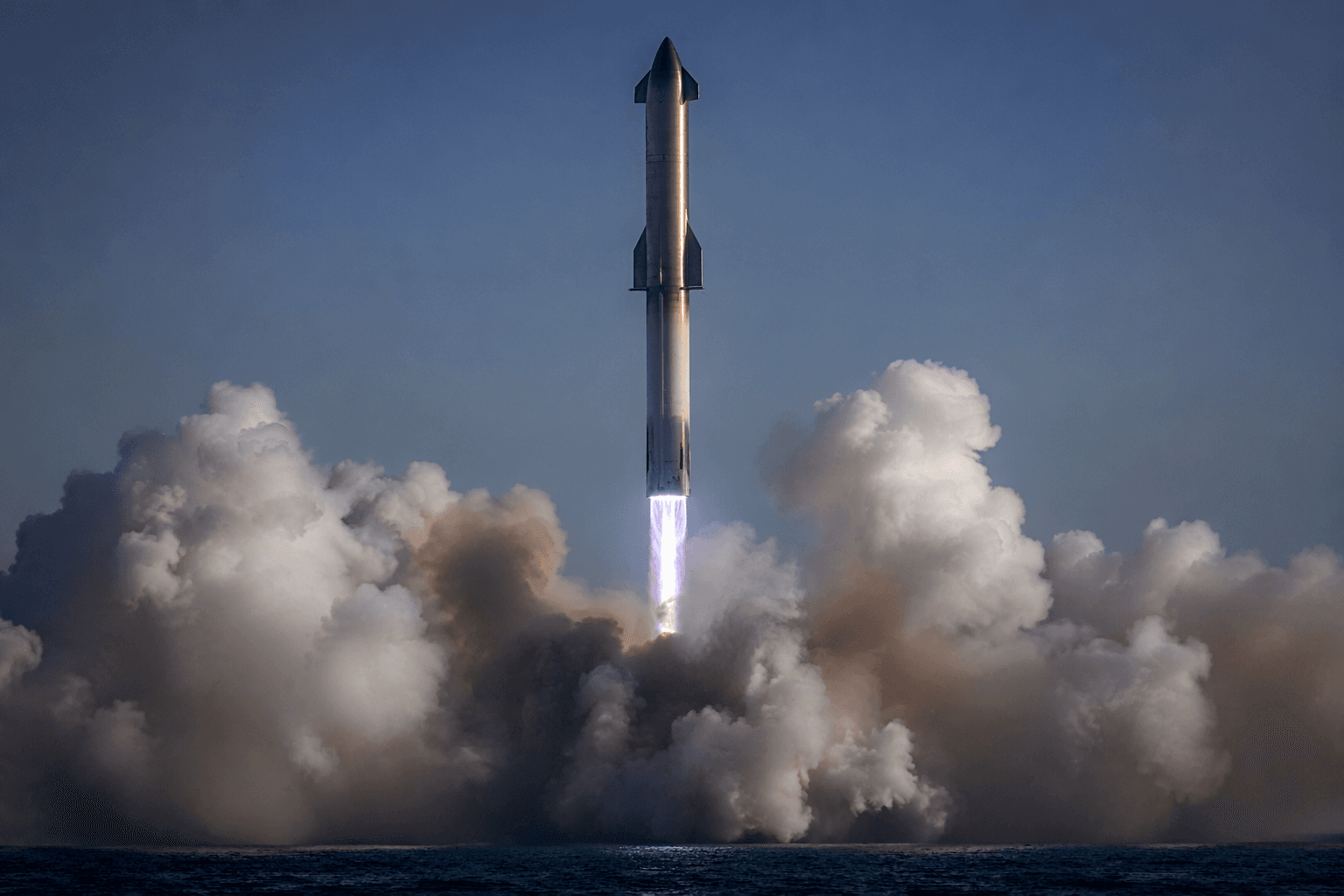
The flight also exposed how much of Starship’s reliability challenge remains unresolved. One of Super Heavy’s 33 engines shut down during ascent, and Starship later lost one of its six vacuum engines in flight. The booster then attempted a boostback and landing sequence but ended in a hard splashdown in the Gulf of America after a partial burn. For a program built around rapid reuse, the difference between a controlled return and a hard water impact is not cosmetic: booster recovery is central to lowering launch costs and increasing cadence.
That is why this mission carries weight beyond a single successful splashdown. SpaceX is trying to turn Starship into a higher-frequency launch system for Starlink and, eventually, a larger share of the commercial launch market. Elon Musk’s broader plan depends on a vehicle that can fly often, survive repeated heating and engine loads, and come back in usable condition. The fact that the V3 debut lasted just over an hour and still hit its main upper-stage objectives suggests progress, but not maturity.
The stakes also extend to NASA and U.S. space policy. NASA’s updated Artemis planning says next year’s Artemis III work will test Earth-orbit rendezvous and docking capabilities involving Orion and commercial landers from Blue Origin and SpaceX. Starship remains central to SpaceX’s lunar ambitions, and each test that proves more of the vehicle’s flight profile helps determine whether it can move from headline-grabbing development toward an operational system with real economic and strategic value.
Know something we missed? Have a correction or additional information?
Submit a Tip