Gucci, Fendi, Marni reinventions usher old-money elegance at Milan Fashion Week
Gucci, Fendi and Marni rewrote quiet‑luxury at Milan with architectural coats, fur‑over‑suits and retro knitwear — an old‑money moment stitched with surprising celebrity sparkle.
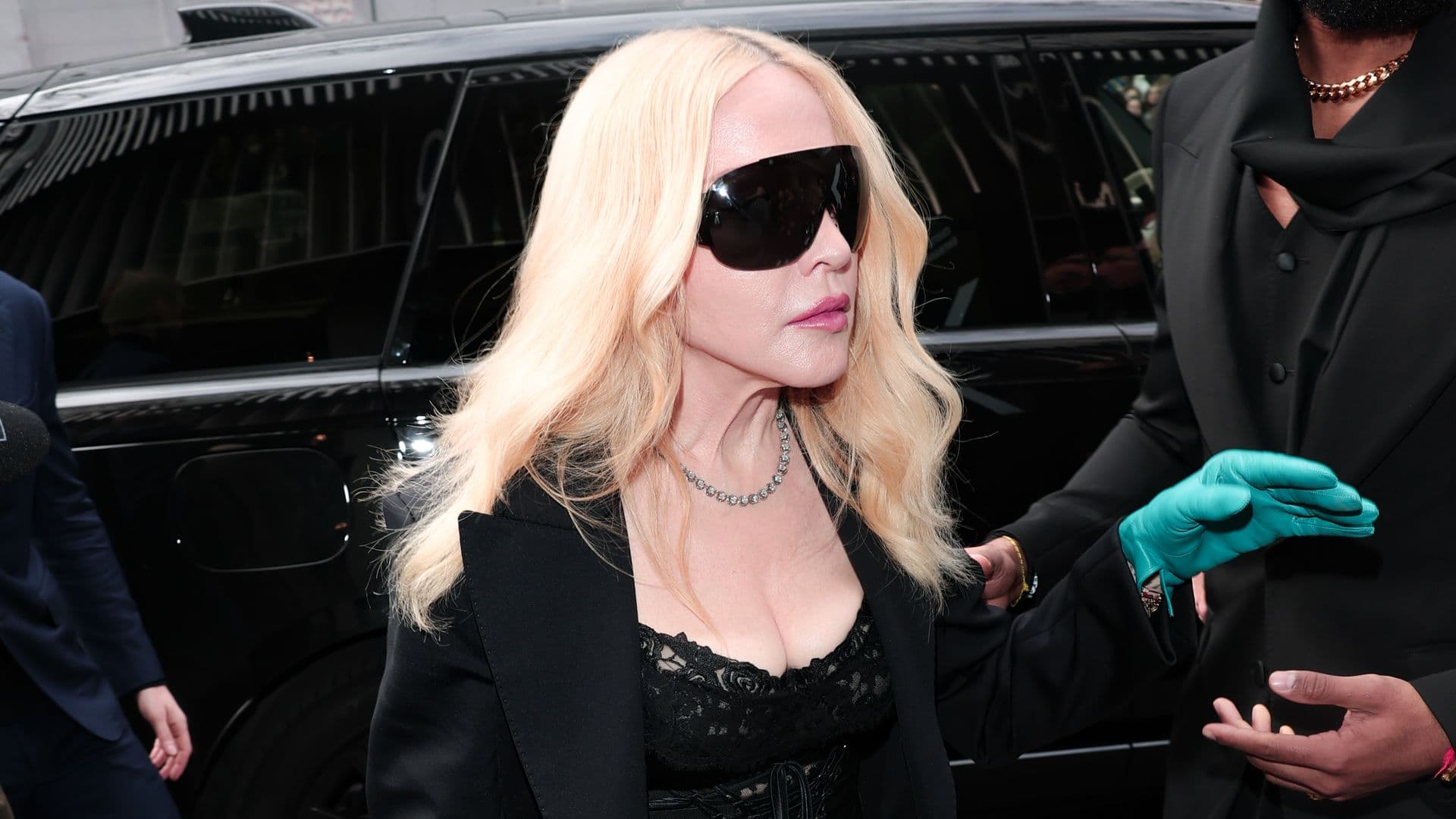
Fresh starts and superstars set the tempo for Fall/Winter 2026 in Milan — “a season of fresh starts and superstars across Milan Fashion Week,” as the Associated Press observed. New creative directors stepped forward at Fendi, Gucci and Marni and the shows were punctuated by celebrity cameos — Madonna, Kate Moss and, most unexpectedly, Mark Zuckerberg — who “lit up the runways and front rows.” The AP roundup framed this as “five runway takeaways that matter to old‑money and quiet‑luxury dressing for Fall/Winter 2026,” explicitly naming the first: Layering at Prada — “archival references combined with intentional minimalism.” From that ledger of restraint and craft came a quieter, more architectural kind of elegance.
Gucci: Demna’s pivot, and the scarcity of suits If quiet luxury once meant clingy daywear at Gucci, the house’s latest turn was a corrective. “Suits were in short supply at Gucci,” the reports noted, and Demna “veered dramatically from the brand’s failed attempt at quiet luxury with clingy daywear and plunging crystal‑encrusted evening gowns.” The contrast felt deliberate: where tailoring might have been expected to lead a return to workwear, Gucci chose to lean into theatrical evening and a new posture of glamour — a reminder that old‑money dressing at Milan this season was not monolithic but about selective investment, polish and the occasional, deliberate excess.
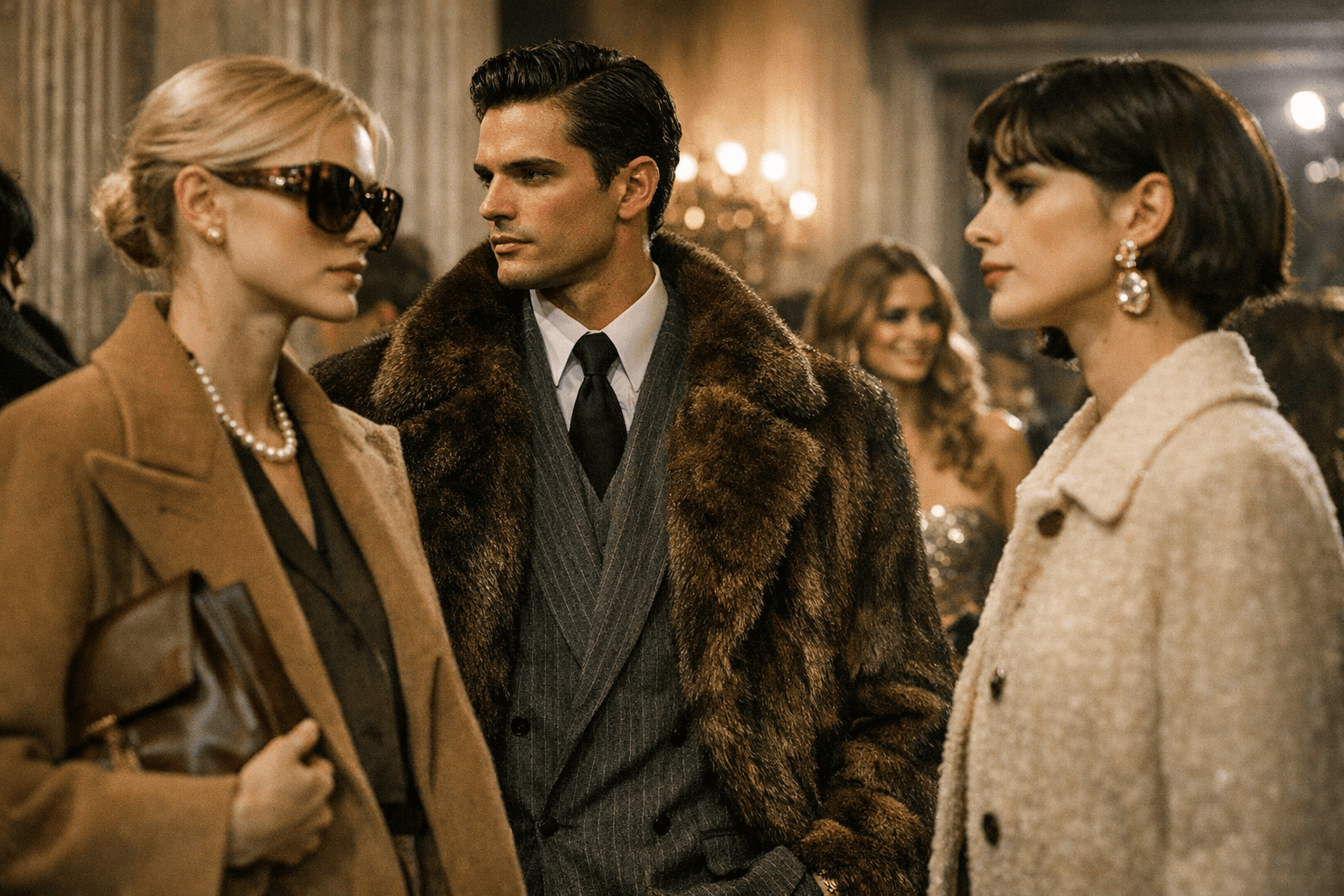
Fendi: fur over practical suiting, choreographed by a front‑row moment Fendi translated aristocratic punctuation into wearable gestures: “fur was worn over practical suiting and quarter‑button collared shirts,” a styling shorthand that married utility to refinement. The look’s currency was underscored in the audience — the Fendi moment was “best exemplified by front‑row guest Uma Thurman,” who embodied that calculated ease. In an era when brutalist outerwear was sold as “an investment in uncertain times,” Fendi’s fur‑over‑suit signaled that heritage materials could still anchor workaday tailoring and make it ceremonial without shouting.
Marni: Rogge’s coed reboot, knitwear and kinetic embellishment Rogge’s coed debut for Marni read like a style archaeology of youth and discipline — “youth‑driven, a 1990s version of the 1970s,” the accounts say — and it arrived with tactile conviction. Her “love of knitwear came through in chunky sweater jackets and retro‑patterned pullovers,” while a “luxurious short‑haired fur coat with a cotton lining exemplified the brand’s high‑low materials mix.” Marni’s skirts and dresses pushed the season’s sensory register: “Straight midi‑skirts were covered with plastic sequins or mother of pearl discs that rattled like chimes,” small mechanical sounds that turned a walk into a signature. The collection’s boy‑meets‑girl silhouette made old‑money codes feel young again, anchored in substance and sound.
Brutalist coats, technical wonder and tailoring details across the calendar If there was a structural theme, it was coat-making as architecture: Louise Trotter “said she aimed to lighten up her second Bottega Veneta outing,” opening with “a series of architectural overcoats in sturdy blue and grays that were meant to exemplify Milan’s Brutalist architecture,” before an “explosion of energy and color in outerwear constructed from fiberglass that shimmied kinetically with every step.” Ferragamo offered a maritime twist — “overcoats with button panels that could be twisted into new architectures” that “perfectly complemented laced silken dresses underneath.” Tod’s demonstrated a different kind of refinement, showing “how to turn leather into the softest tailoring with a seamless declination from foulard dresses to the same silhouette constructed from leather.” Even smaller houses leaned into craft: Silvana Armani “embraced her uncle’s soft‑shouldered jackets, including quilted Japanese‑style jackets and colorful shearling coats,” with slate gray overcoats “that grazed the runway with elegance.” Together these designs proposed wardrobe investments — coats and leathers that read as enduring assets in uncertain times.
Suits, suiting detours and the subtleties of minimalist experimentation Across the tents the idea of “back‑to‑work mandates” surfaced in tailoring notes: suits were discussed as functional armor for professional life, although not uniformly present. At Jil/Jill Sander, Bellotti tested a gentler, conceptual tailoring: “tiny, off‑skew lapels contrasting with excess fabric that created volume in the back,” producing what the reports called “Alice‑in‑Wonderland suiting that modernized the brand’s minimalist aesthetic and tested the idea of whether the superfluous can be essential.” Skirts there featured side slits “that closed at the hems,” and dresses “traced a curve — detail without decoration,” moments where restraint and surprise cohabited. Meanwhile, touches meant to “lighten up the mood” appeared as hints of feathers, (eco) fur and animal prints — reminders that old‑money dressing can include joyful, textured notes alongside its austerity.
Closing note and the visual memory of the week Milan’s six days of previews closed with a shared sensibility: reinvention within the grammar of quiet luxury. The fashion‑week tableau was as much about who sat in those chairs as what walked the runway — Madonna, Kate Moss and Mark Zuckerberg turned heads alongside designers staking new ground. That visual diary is preserved in images such as the Giorgio Armani presentation (AP Photo/Antonio Calanni) — a model reflected in glass at the Fall/Winter 2026‑2027 Women’s show on Sunday, March 1, 2026 — which capture the season’s interplay of heritage and refresh. If the AP roundup offered “five runway takeaways that matter to old‑money and quiet‑luxury dressing for Fall/Winter 2026,” it also left an editorial invitation: to collect fewer but better pieces — a brutally crafted overcoat, a well‑turned fur‑over‑suit, a chunky knit that echoes decades — and let them do the most eloquent dressing for you this cold season.
Know something we missed? Have a correction or additional information?
Submit a Tip