Quiet-Luxury Jewelry: Materials, Hallmarks and Smart Investment Thinking
Quiet-luxury jewelry signals craft, not logos—choose top materials, a small capsule of versatile pieces, and protect purchases with certification and provenance.
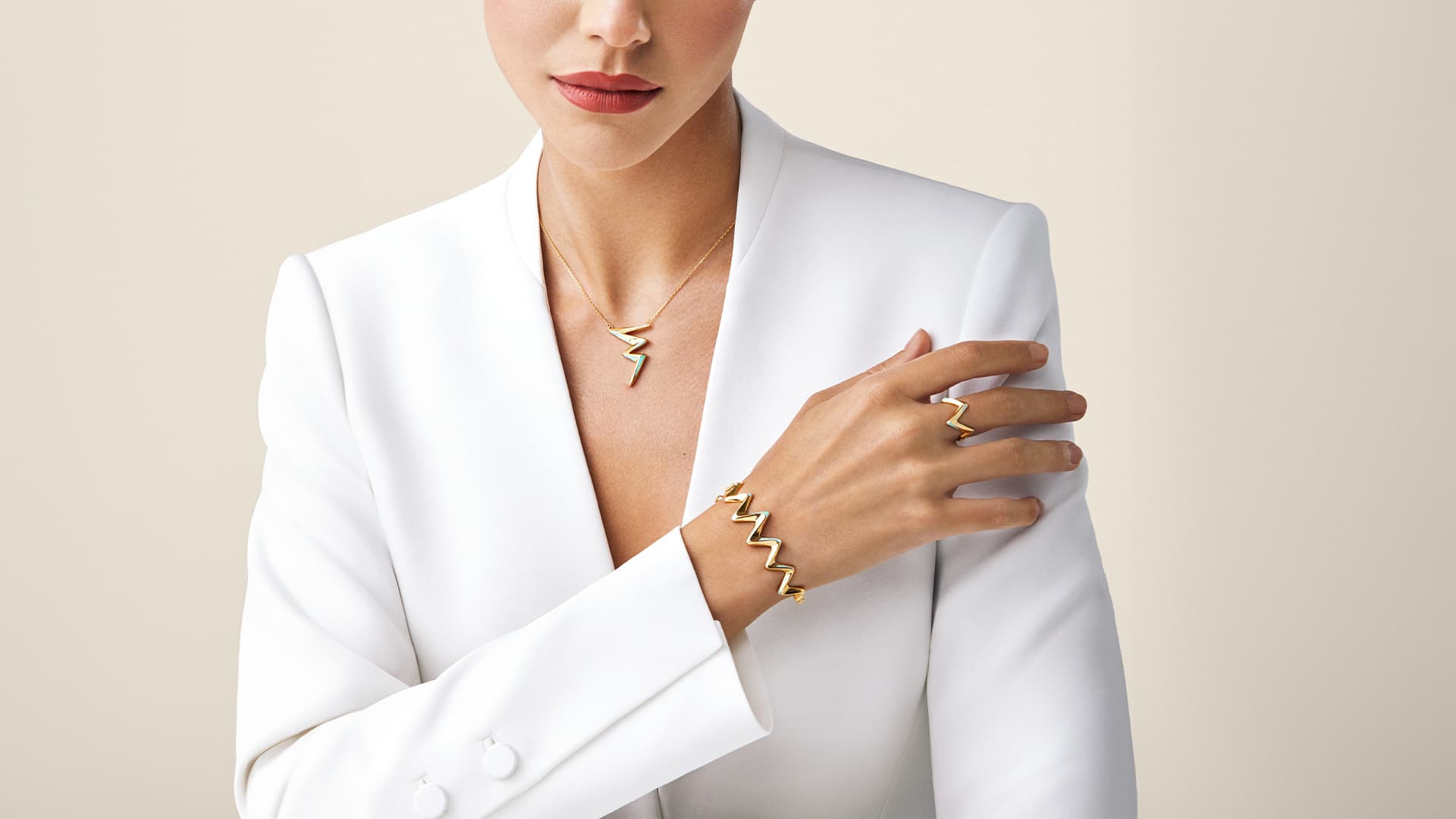
Jewelry is the most accessible way to signal craft and longevity without logos." That line sets the premise: quiet-luxury jewelry is not about showy names or seasonal flash, it’s about materials, finish and wearability that look as if they were always yours.
What is quiet‑luxury jewelry? Jewelry that focuses on quality craftspersonship, wearable comfort and timelessness can be considered quiet luxury jewelry. These pieces favor high‑quality designs above loud logos: minimalist, understated shapes that bring reserved elegance to an outfit. Rodgersdiamonds captures the attitude plainly: "In the age of overstimulation and fast fashion, there’s something quietly powerful about subtlety," and its follow-through—clean lines, delicate silhouettes and enduring materials—defines how these pieces perform day to day.
Materials and construction: what to look for Quality materials are a cornerstone of quiet luxury jewelry. Think metals that patina or hold their polish—Bluenile calls attention to "pristine platinum" around diamonds and highlights pieces like a "platinum diamond halo pendant" that "encircl[es] the diamond of your choice in pristine platinum and a halo of diamonds." Equally, well-made gold pieces are central: Bluenile’s "Flexible Cuff In 14k Yellow Gold" is offered as a learnable classic, "perfect for wearing as a standalone bracelet or alongside a thin chain style."
Small diamonds and subtle accents are the quiet-luxury language. Rodgersdiamonds points to "an ultra-thin chain bracelet or a subtle tennis bracelet with small diamonds" as the archetypal everyday bracelet; its example sits beside a retail cue of $3,019.00. Engagement- and statement-level examples from Rodgers include ASHI pieces priced at $2,139.00 and $1,669.00—clear reminders that the quiet-luxury look spans modest-to-significant price points while maintaining restraint.
- Platinum diamond halo pendant — a study in top‑tier construction and classic silhouette (Bluenile).
- Flexible Cuff in 14k Yellow Gold — a warm, tactile cuff that reads as effortless whether solo or stacked (Bluenile).
- Emerald Diamond Signet Ring in 14k White Gold — a modern signet that suggests heritage without ostentation (Bluenile).
- Ultra-thin chain or subtle tennis bracelet — the everyday fine jewelry bracelet that "sits lightly on your wrist" and catches light discreetly (Rodgersdiamonds, example $3,019.00).
- ASHI engagement-ring examples — "1/2 Ctw Diamond Engagement Ring with 1/4 Ct Princess Cut Center Stone in 14K White Gold" ($2,139.00) and "1/2 Ctw Round Cut Diamond Ladies Engagement Ring With 1/4 Ct Emerald Cut Center Stone in 14K Yellow Gold" ($1,669.00) illustrate the quietly luxurious price brackets and construction standards Rodgers highlights.
Product examples that teach style
Use these market touchstones as templates rather than rules:
Building your capsule: how to shop and style Reserve space in your jewelry wardrobe for a handful of deliberate pieces. Rodgersdiamonds frames the intent: "In this guide, we explore the essence of quiet luxury, showcase the best minimalist styles to invest in, and help you discover how to build your own capsule of everyday fine jewelry, designed to last a lifetime." Start with a pendant in platinum or white gold, a thin chain bracelet (or subtle tennis), a warm yellow‑gold cuff, and a signet or plain band you won’t hesitate to wear daily. Mix-and-match is part of the point: Bluenile emphasizes that these pieces "can be easily mixed and matched, making them a fashionable choice for necklace layering, bracelet stacking and any other style you may want to wear."
- Full material description and finishing (metal type, karat when applicable; whether white gold is rhodium‑plated).
- Certification and paperwork for stones and any brand provenance.
- A clear return policy and service/repair options.
Practical buying checklist (what to ask a retailer)
Quiet-luxury purchases reward curiosity. Before you buy, ask for:
Hallmarks, certification and verification The supplied sources do not include specific hallmark examples or assay marks, so make hallmark checks part of your purchase ritual. Ask to see the metal stamps or maker’s marks in person and request documentation from the seller. For diamonds and larger stones, insist on third‑party grading where practical—Rodgersdiamonds’ editorial framing recommends treating these purchases as investments into a capsule designed to last, and certification is the paper trail that supports value.
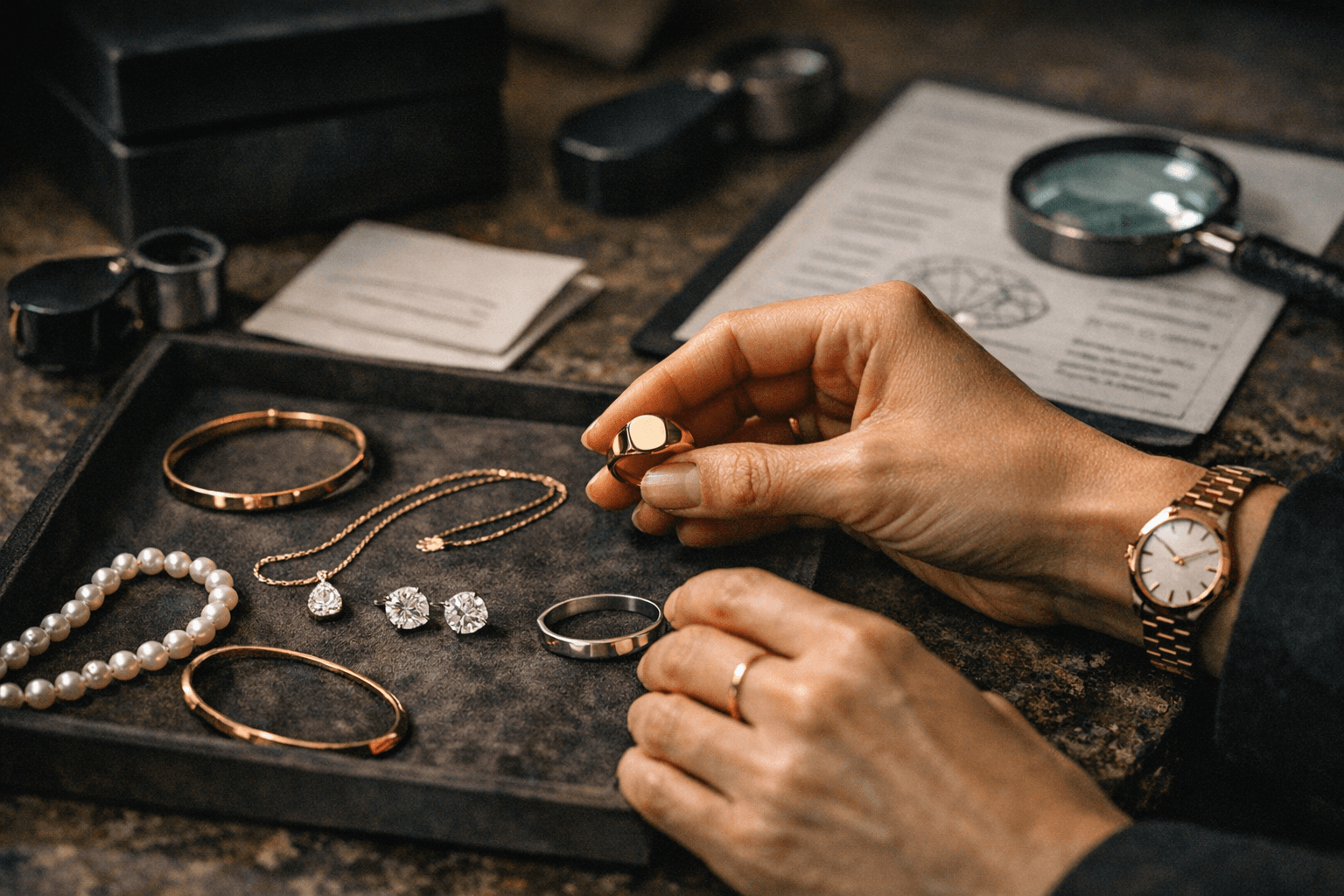
If you’re buying preowned, get an independent appraisal or an expert inspection. The dossier behind this guide notes the need to verify hallmarks and assay marks with specialists; treat that as a prescriptive step: don’t accept a verbal assurance—insist on the stamp and the certificate.
Investment thinking (what to expect and how to protect value) Quiet-luxury jewelry is primarily about wearability and craft, not short‑term speculation. Rodgersdiamonds positions minimalist, everyday pieces as styles "to invest in" for longevity, and the price examples here—$3,019.00 for an everyday bracelet example and ASHI rings at $2,139.00 and $1,669.00—illustrate accessible entry points into fine jewelry. But the dossier also makes a clear editorial caveat: no resale metrics or historical ROI figures were supplied with these materials.
- Documentation: keep receipts, grading reports and any provenance. Certification (grading) matters for resaleability.
- Condition and care: service and original boxes increase desirability among secondhand buyers.
- Provenance and brand: the dossier highlights that "brand, provenance, condition, and rarity affect price retention." Signed pieces and established houses often command stronger secondary demand, while anonymous small-stone tennis bracelets and undistinguished gold bands tend to be more liquid but less collectible.
So think of smart investment in three practical ways:
Because the sources do not provide auction data or resale percentages, treat claims of appreciation cautiously; for any piece you buy partly as an asset, get an independent valuation and a clear appraisal to set expectations.
Styling notes that read as lived-in Quiet-luxury jewelry should feel like it belonged to you yesterday. Wear a flexible 14k yellow-gold cuff solo for warmth against wool or add it to a stack with an ultra-thin chain bracelet for contrast. A platinum halo pendant—Bluenile’s example—reads refined against a cashmere crewneck; an emerald signet in white gold brings a flash of color without shouting. The overall effect: "artfully low-key and effortlessly stylish."
Final word Quiet luxury is a practice as much as an aesthetic: choose materials that endure, demand proof of metal and stone quality, and collect a small, versatile set of pieces you’ll wear every week. As Rodgersdiamonds and Bluenile both suggest, when restraint, build quality and sensible documentation converge, your jewelry does two jobs at once—elevating what you wear and preserving what you paid for.
Know something we missed? Have a correction or additional information?
Submit a Tip