Guinea prime minister rejects China debt trap fears, urges African responsibility
Guinea’s prime minister brushed off China debt-trap warnings in Dalian, even as Simandou, bauxite exports and a rising debt load tie Conakry more tightly to Beijing.

Guinea Prime Minister Amadou Oury Bah used a World Economic Forum gathering in Dalian to reject the idea that China is trapping African states in debt, arguing that African governments themselves must turn foreign partnerships into results. Bah made the case on the sidelines of the 17th Annual Meeting of the New Champions, which ran from June 23 to 25, 2026, under the theme Innovating at Scale and drew more than 1,700 leaders from business, government, science and academia from over 90 countries and regions.
The exchange with Chinese Premier Li Qiang on June 23 underscored how far Guinea’s relationship with Beijing has advanced since the two countries established diplomatic ties on October 14, 1959. Chinese readouts again described Guinea as the first sub-Saharan African country to formalize relations with China, while bilateral trade between the two countries topped more than $18 billion in 2025.
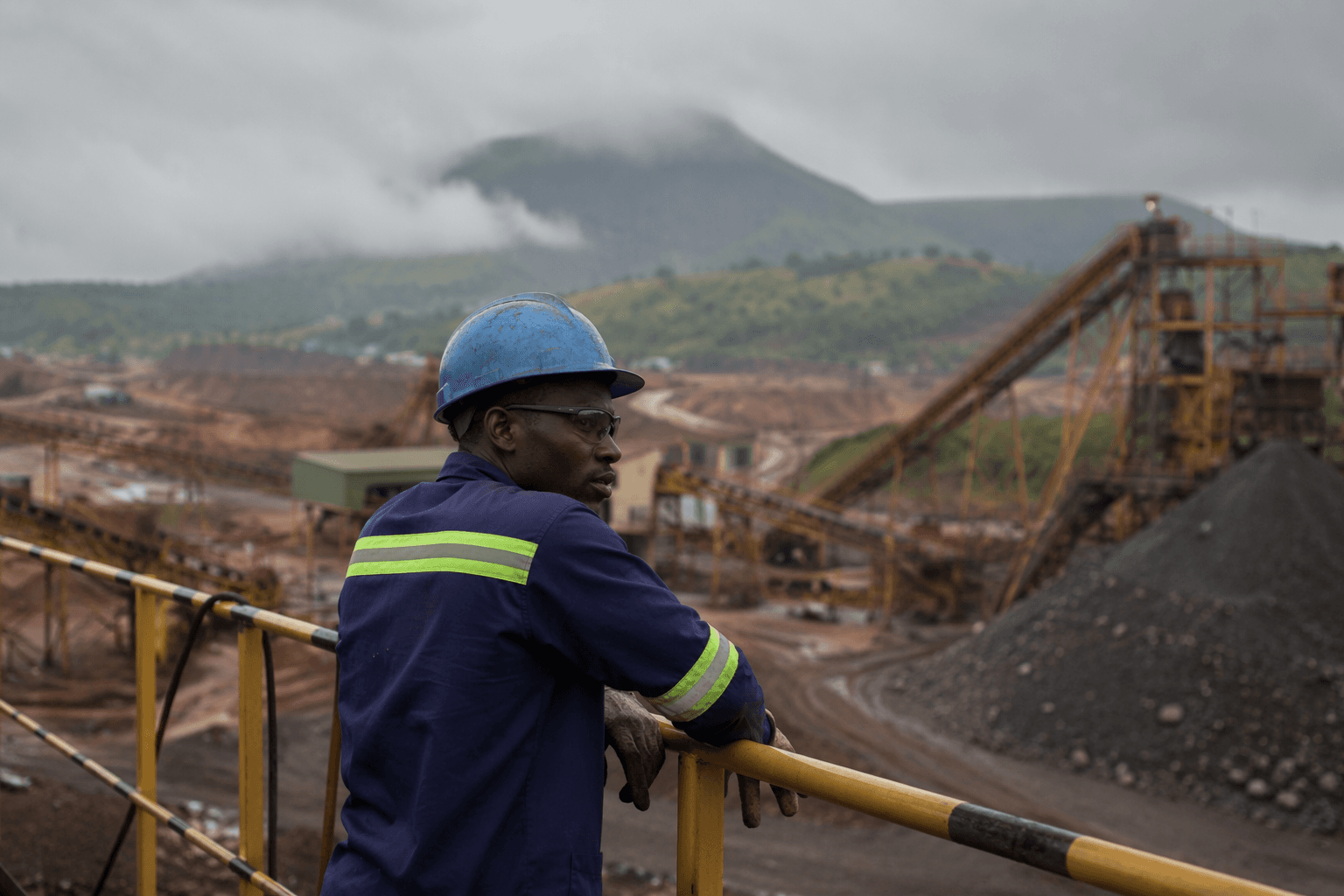
That economic relationship now runs through Simandou and Guinea’s wider Simandou 2040 plan. Official Guinean material describes the strategy as a $200 billion, 15-year program built around five pillars, 36 reforms and 122 projects. China received the first batch of iron ore from Simandou in January 2026, and Chinese sources describe the integrated mining-and-infrastructure project as having annual shipping capacity of up to 120 million tons. In May, mining at the Baowu-led Simandou site was halted over a pay dispute, a reminder that labor and governance problems can disrupt the very projects meant to finance development.
The financing picture is more complicated than the political rhetoric around debt. Guinea’s bauxite exports reached a record 182.8 million metric tons in 2025, with 74 percent of shipments going to China, deepening Conakry’s dependence on commodity flows tied to Beijing. An Afreximbank debt-sustainability report says Guinea’s external debt portfolio is dominated by bilateral and multilateral creditors and that private-creditor exposure is rising, a mix that can make repayment more costly and less flexible. The International Monetary Fund and World Bank also keep Guinea under close fiscal scrutiny.
Across the continent, the African Center for Strategic Studies has said African governments are trying to rebalance ties with China toward debt sustainability, value addition and industrialization. African Union Commission chair Mahmoud Ali Youssouf has publicly defended Africa-China cooperation and rejected debt-trap criticism. Bah’s comments fit that split-screen debate: African leaders want room to claim agency, but the scale of Guinea’s mineral exports, infrastructure bets and debt exposure means the terms of those partnerships will remain under scrutiny.
This article was produced by Prism’s automated news system from verified source data, official records, and press releases, then run through automated quality and moderation checks before publishing. The system is built and supervised by the people who set the standards it runs under. Read our full AI policy.
Did this article answer your question?


