Gulf Arab nations condemn Iranian attacks on Bahrain and Kuwait
Bahrain intercepted seven missiles and Kuwait reported airport damage as Gulf states signaled a united red line against Iranian pressure.
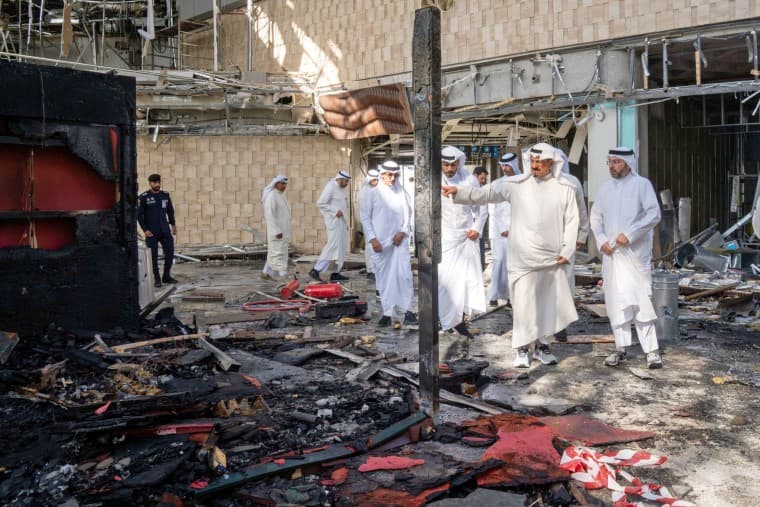
Missile alerts in Bahrain and damage at Kuwait International Airport pushed Gulf capitals into a sharper public line against Iran, with Saudi Arabia, the United Arab Emirates and Bahrain describing the strikes as a dangerous escalation. The episode reached beyond rhetoric: Bahrain said it intercepted seven missiles, while the U.S. military said Iranian missiles and drones aimed at Bahrain, Kuwait and regional shipping were intercepted or failed to reach their targets.
Saudi Arabia’s Ministry of Foreign Affairs issued what it called the Kingdom’s strongest condemnation of the repeated Iranian attacks against Kuwait and Bahrain. In Abu Dhabi, Anwar Gargash, a diplomatic adviser to the UAE president, urged a firm, unified and cohesive Gulf stance, signaling that the response was meant to be collective rather than country by country. Kuwait’s Foreign Ministry said the attacks were a direct threat to the lives of citizens and residents and a flagrant violation of sovereignty.
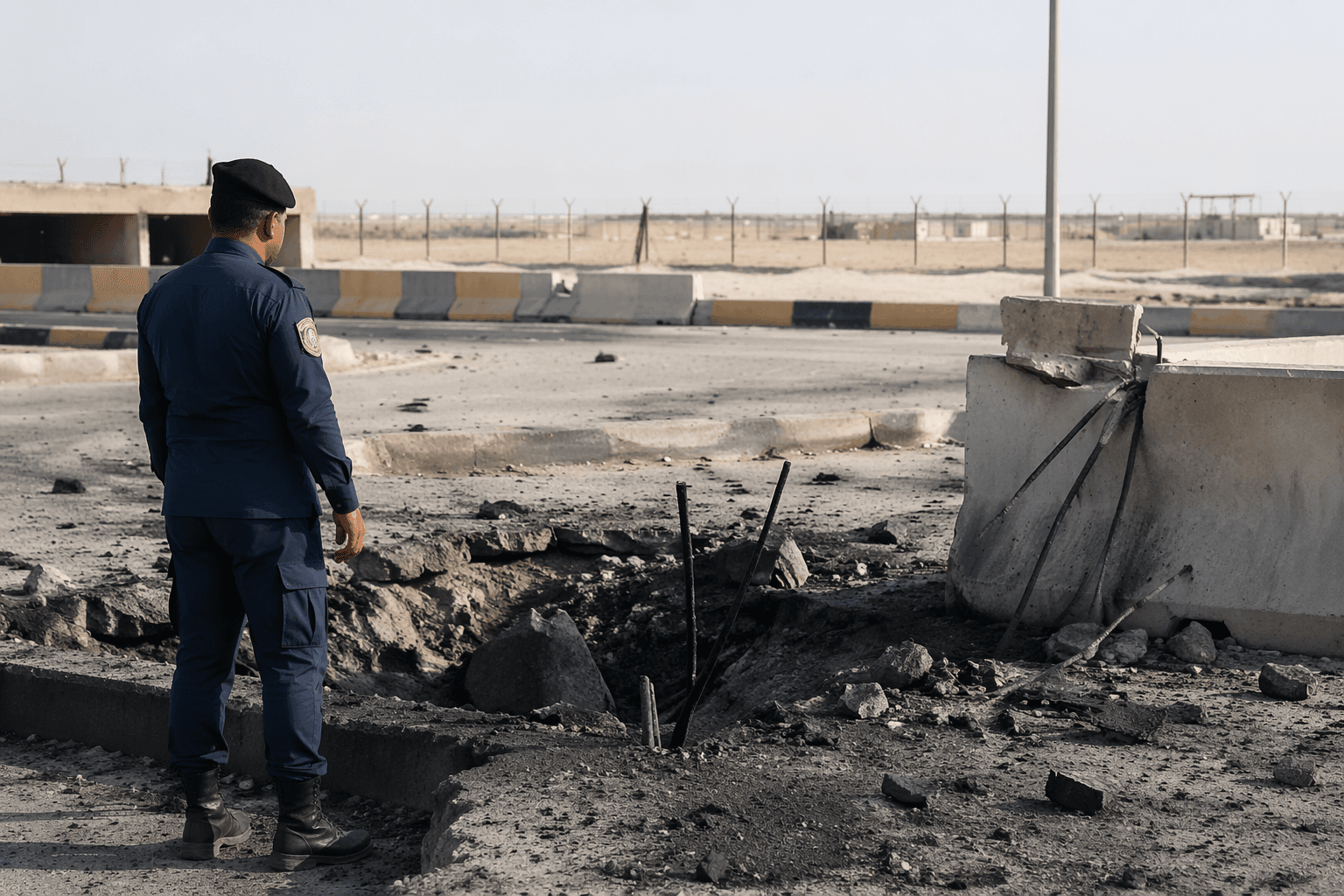
The stakes are especially high in Bahrain, which hosts the headquarters of the U.S. Navy’s Fifth Fleet and sits on one of the region’s most sensitive security fault lines. Sirens were activated during the attack, underscoring how quickly Gulf air defenses and civilian life can be pulled into a wider confrontation. Bahrain’s position also makes it a strategic marker for Washington and its Gulf partners: any strike there carries implications not only for the island kingdom but for U.S. basing and maritime security across the Strait of Hormuz.
Kuwait, too, matters well beyond its borders. The country sits at the intersection of Gulf energy routes and regional military cooperation, and even limited damage at Kuwait International Airport raised the prospect that the conflict could spill into civilian infrastructure and commercial flow. The U.S. military’s mention of regional shipping in its assessment reflected the same concern: that proxy pressure could move from isolated missile launches to broader disruption of trade and energy corridors.
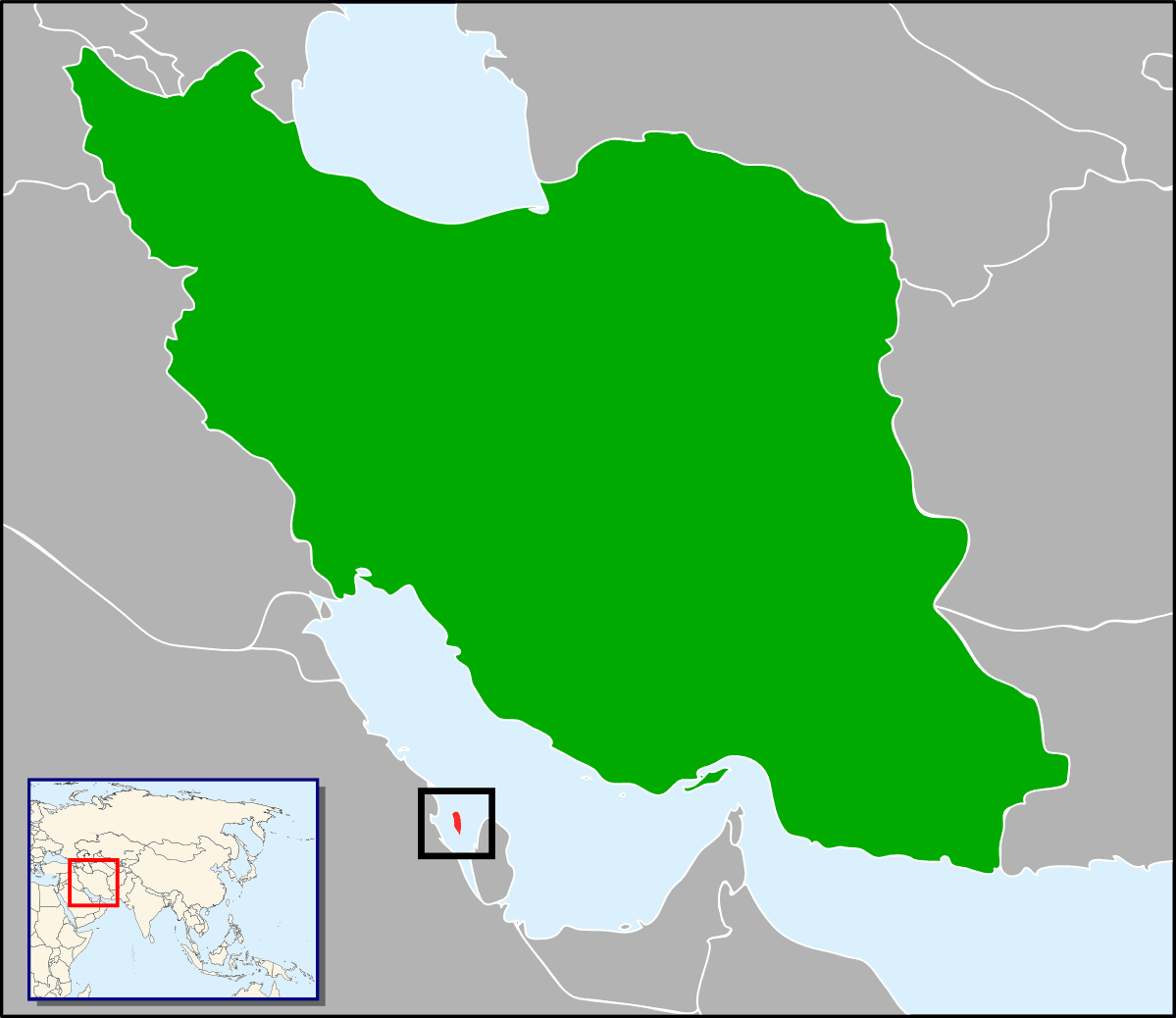
The latest violence fits a pattern Gulf governments have long feared, one that links direct attacks on sovereign territory with the possibility of wider instability. Bahrain’s memory of the 2011 protests, when Gulf neighbors sent troops to support the monarchy, still shapes how its leaders view external pressure. For Gulf capitals, the message from this round of attacks was clear: the next stage of confrontation may be measured not just in missiles launched, but in shipping risk, base security and the resilience of the region’s energy lifelines.
This article was produced by Prism’s automated news system from verified source data, official records, and press releases, then run through automated quality and moderation checks before publishing. The system is built and supervised by the people who set the standards it runs under. Read our full AI policy.
Know something we missed? Have a correction or additional information?
Submit a Tip