Trump warns Iran will pay price as talks stall, strikes loom
Trump said Iran would "pay the price" after stalled talks, while Qatari negotiators rushed to Tehran and both sides signaled more escalation.
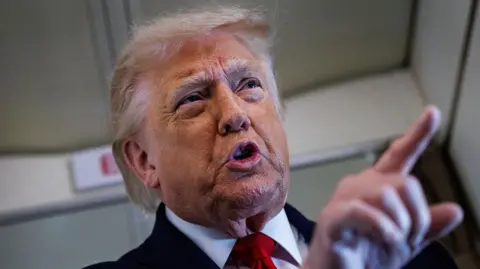
Donald Trump warned that the United States would hit Iran hard again, saying Tehran had taken too long to negotiate a deal and would have to pay the price as the ceasefire frayed and strikes in the region kept the crisis moving toward a wider clash. His remarks came as Washington and Tehran were still said to be trying to keep talks alive, but the military pressure now threatened to outrun diplomacy.
The immediate danger was not only another round of U.S. strikes, but also what those attacks would target and how Iran would answer. Earlier strikes had already hit Iranian radar and drone sites, a signal that the confrontation had moved beyond rhetoric and into a contest over military reach, surveillance and retaliation. If Washington followed through on fresh attacks in the next 24 to 72 hours, the risk would be that Iran’s armed forces would respond against U.S. assets or allied positions across the region, widening the conflict beyond the two main adversaries.

Diplomatically, the channel was still open but badly strained. Qatari negotiators traveled to Tehran on Wednesday to try to narrow the remaining gaps in the U.S.-Iran talks, a sign that mediators were still trying to salvage a deal even as the ceasefire became more fragile. That effort underscored the central tension in the crisis: the same day that intermediaries were working to close differences, Trump was publicly warning that Iran was “all talk and no action.”
Iranian Foreign Ministry spokesperson Esmaeil Baghaei said contradictory U.S. messages and repeated ceasefire breaches had damaged the diplomatic process. He also said Iran’s armed forces would not hesitate to respond whenever necessary. Those comments suggested Tehran was preparing for more than a symbolic answer if the United States escalated again, and they narrowed the room for any quick compromise.
The economic stakes for U.S. readers were immediate. The Strait of Hormuz remained part of the strategic backdrop to the crisis, and any fresh fighting around that waterway could rattle shipping, disrupt energy flows and lift oil prices. Even without a full shutdown, a more dangerous standoff would add insurance costs, delay tanker traffic and deepen spillover risks for regional trade.
The ceasefire that had held since April 8 already looked brittle. If the next round of actions is military, the path back to negotiations could shrink fast. If diplomacy survives the next few days, it will do so under the shadow of a much more dangerous balance between force and talks.
This article was produced by Prism’s automated news system from verified source data, official records, and press releases, then run through automated quality and moderation checks before publishing. The system is built and supervised by the people who set the standards it runs under. Read our full AI policy.
Know something we missed? Have a correction or additional information?
Submit a Tip

