Israel strikes Tyre, then orders citywide evacuation in southern Lebanon
Tyre came under strike, then a citywide evacuation order minutes later, a sign the southern Lebanon front may be widening despite ceasefire pressure.

The strike on Tyre, followed minutes later by a citywide evacuation order, sharpened the question of whether Israel’s campaign in southern Lebanon is broadening into a wider conflict. The ancient port city was hit on its eastern edge, civilians were told to leave, and the warning reached an urban center already under intense military pressure.
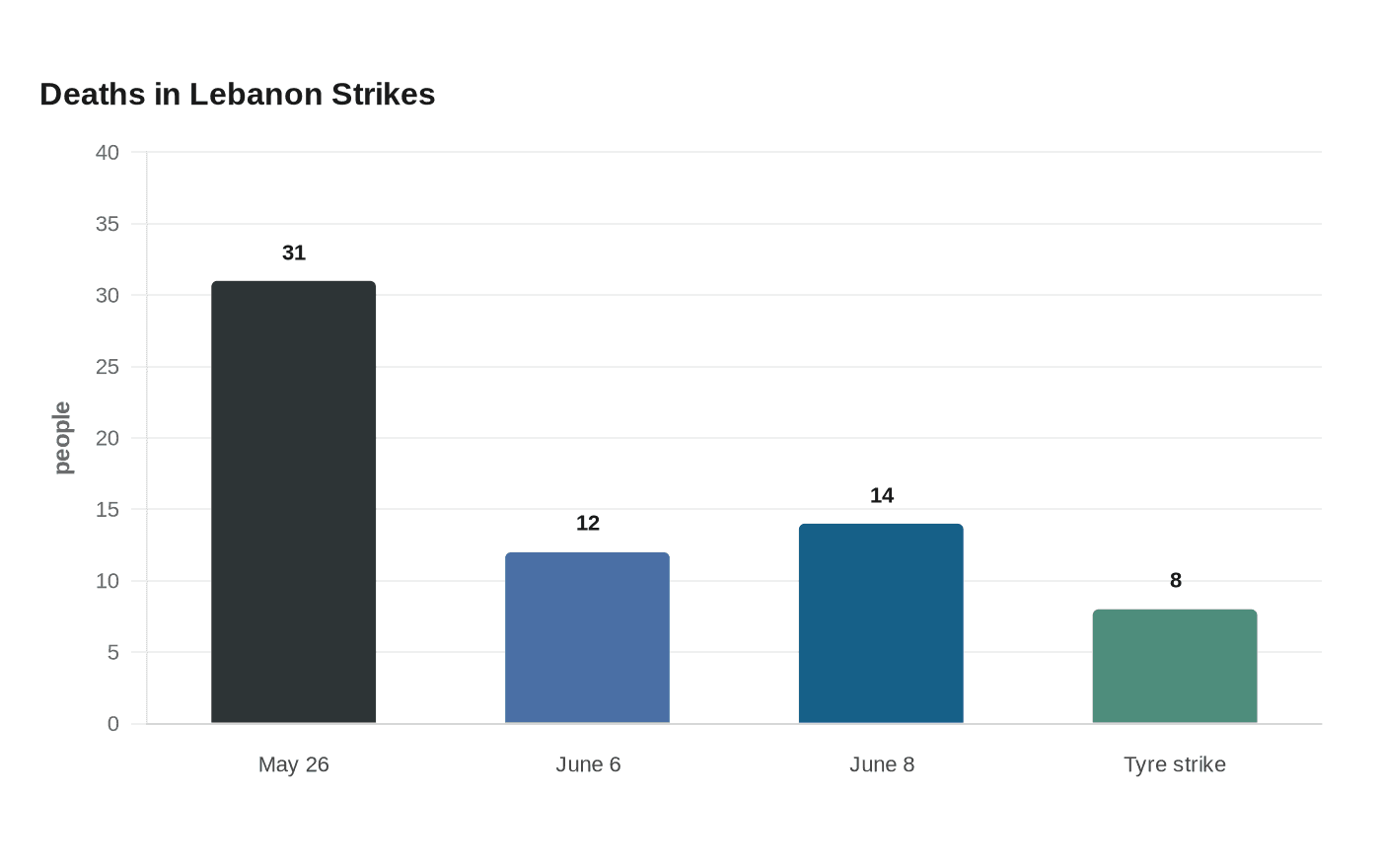
At least eight people were killed in the Tyre strike. The first report of the attack came at 9:22 a.m. local time, and the evacuation warning followed at 9:31 a.m., making it the first citywide evacuation order issued for Tyre. The order covered the Christian quarter and more than 10 refugee camps, adding to fears that the fighting is no longer confined to isolated military targets.
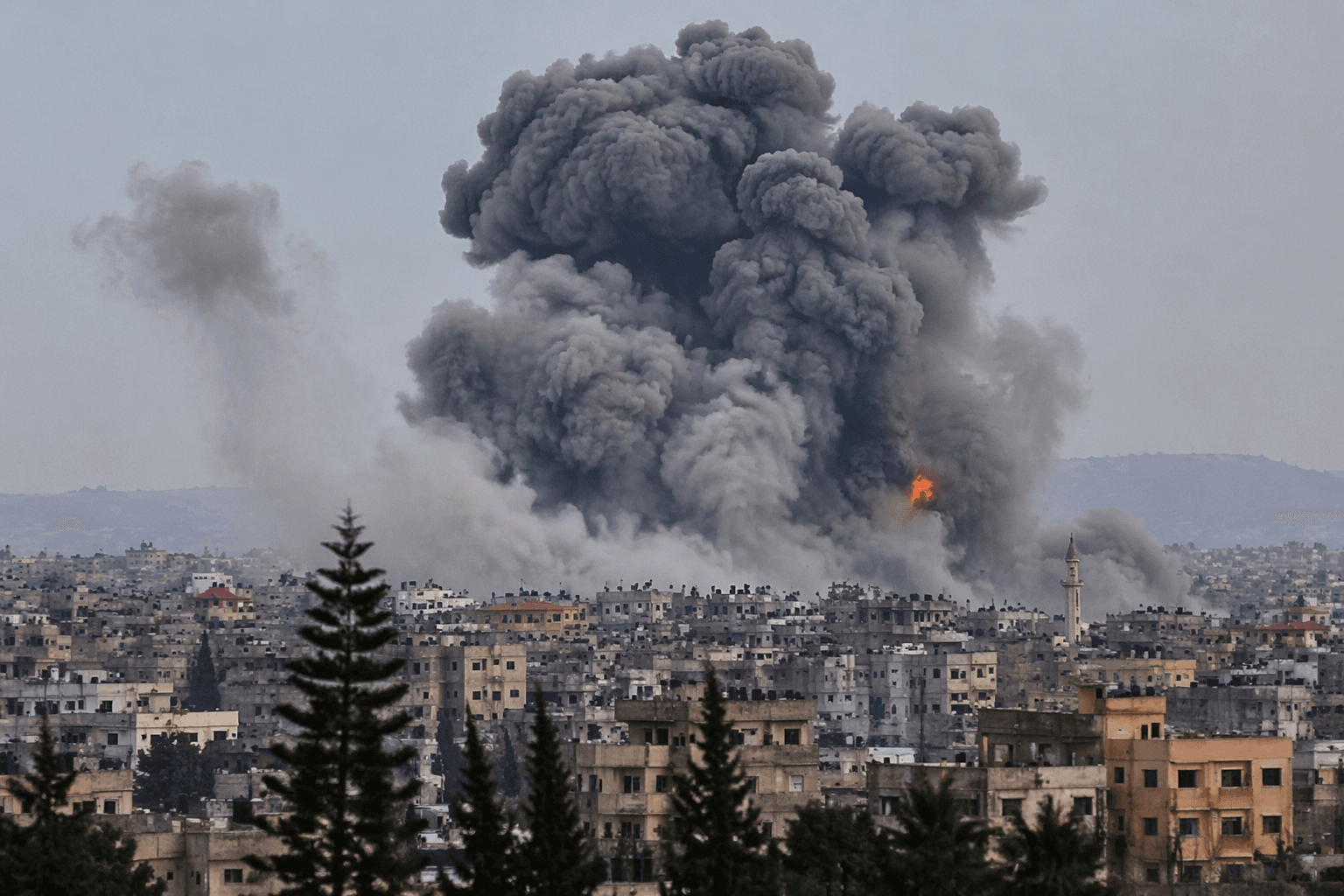
The escalation came after several days of heavy casualties across the south. Israeli strikes on southern Lebanon killed at least 14 people on June 8, and earlier attacks on May 26 killed 31 as Israel expanded ground operations. On June 6, Israeli attacks in Lebanon killed 12 people, including high-ranking Lebanese army officers. Lebanese officials say the toll keeps rising as the strikes continue, while Israeli authorities say 20 IDF soldiers and one civilian contractor have been killed in southern Lebanon during the fighting. The overall death toll in Lebanon has topped 3,000.
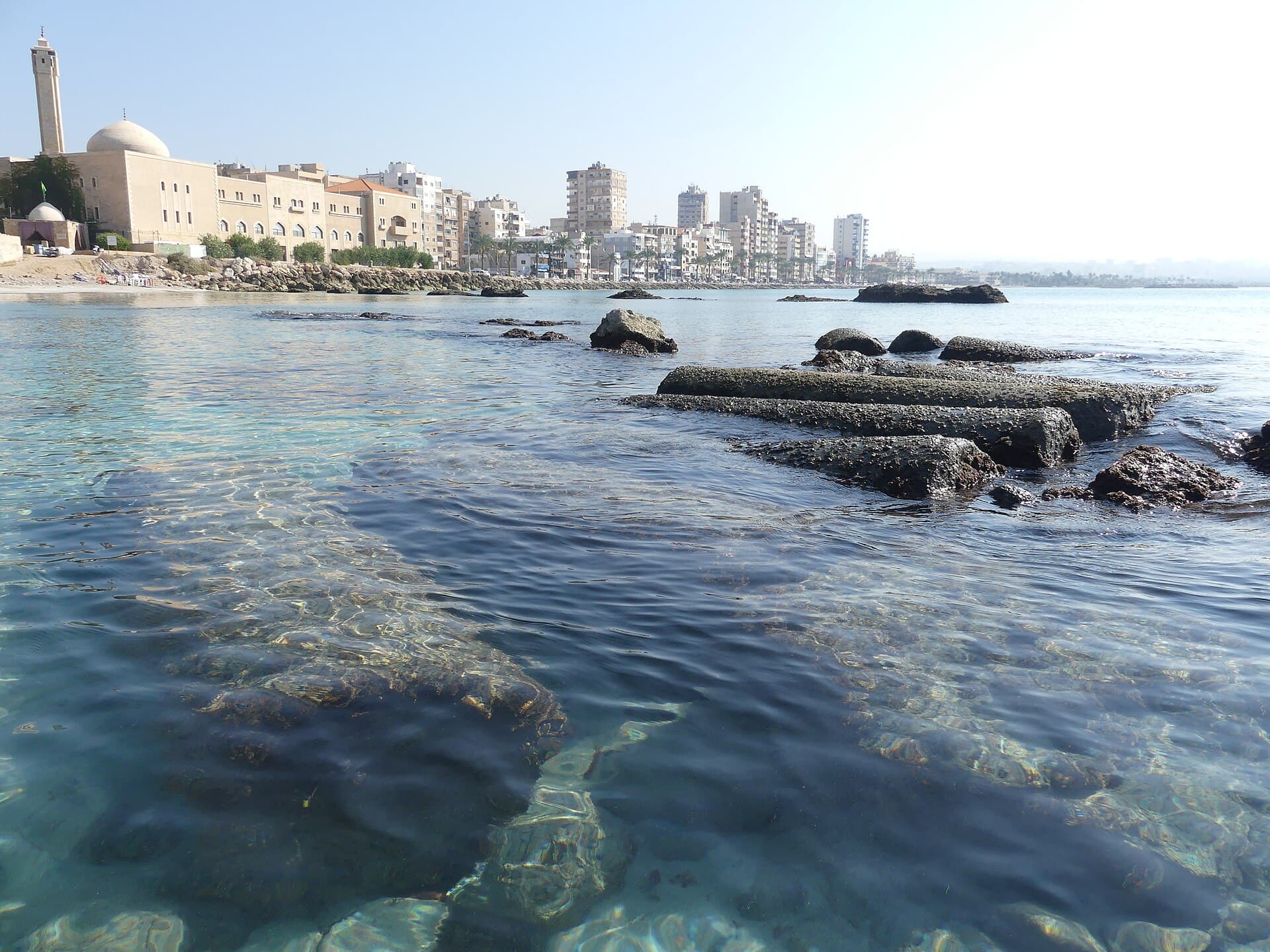
The pressure on Tyre also carries symbolic weight. The city has endured sieges by Alexander the Great and the Crusaders, and its historic core now sits inside a modern war zone. UN officials have warned that the humanitarian burden is deepening, with UNDP estimating nearly 649,000 cubic metres of debris from damage in the Tyre area. Doctors Without Borders has suspended medical activities in the city because of forced-displacement concerns.
The strikes have also tested efforts to limit the conflict’s spread. Israel continued hitting southern Lebanon after Donald Trump asked Benjamin Netanyahu not to attack Beirut, a sign that U.S. diplomacy has not yet stopped the fighting from expanding along the border. António Guterres has said he is deeply alarmed by the developments, underscoring the risk that the campaign in Lebanon could destabilize the region further if the escalation continues.
This article was produced by Prism’s automated news system from verified source data, official records, and press releases, then run through automated quality and moderation checks before publishing. The system is built and supervised by the people who set the standards it runs under. Read our full AI policy.
Know something we missed? Have a correction or additional information?
Submit a Tip