Trump tensions over Iran threaten to dominate G7 summit in France
Iran and Ukraine turned the Évian G7 into a stress test for allied trust after Trump pressed NATO partners and France lowered expectations to avoid a rupture.
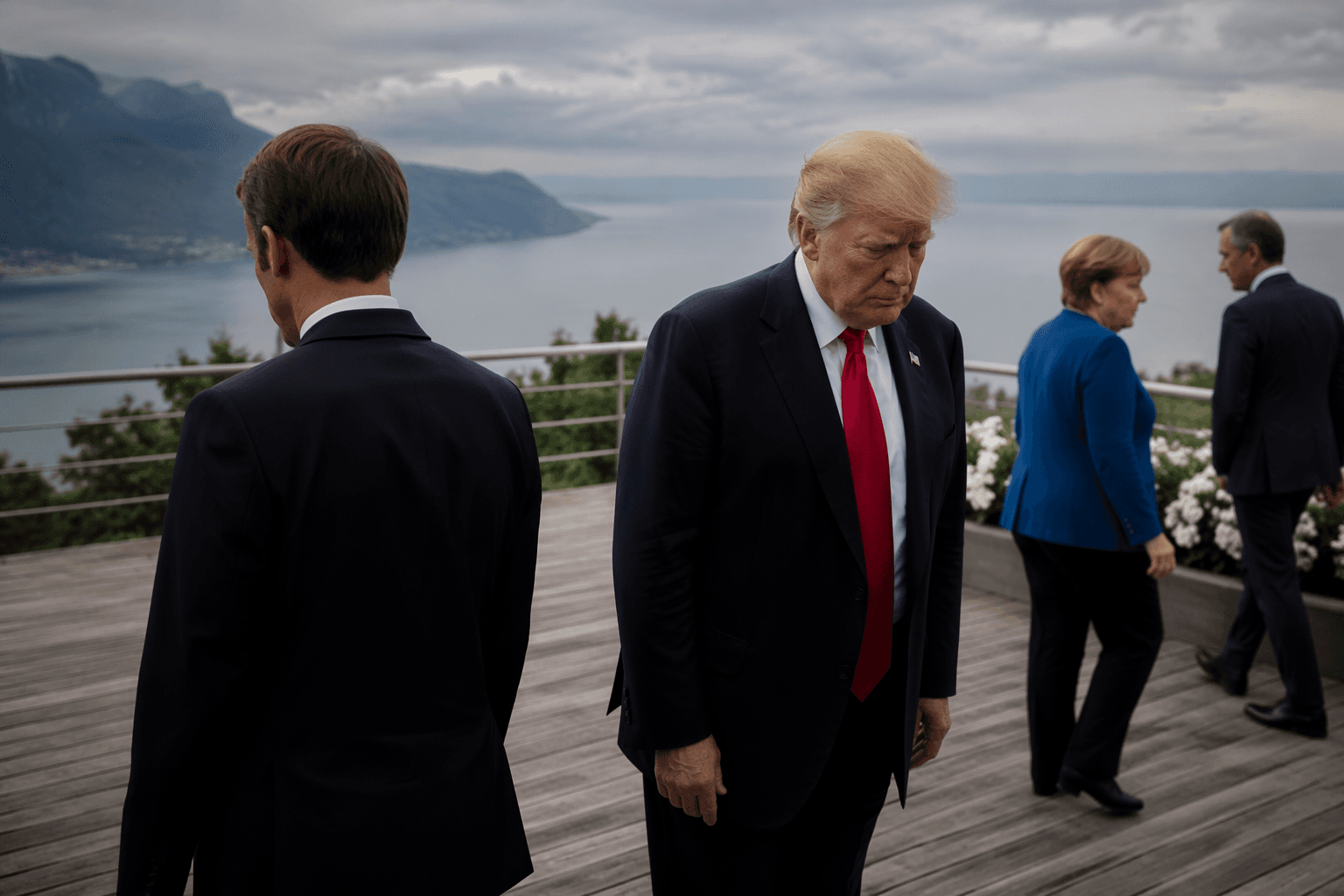
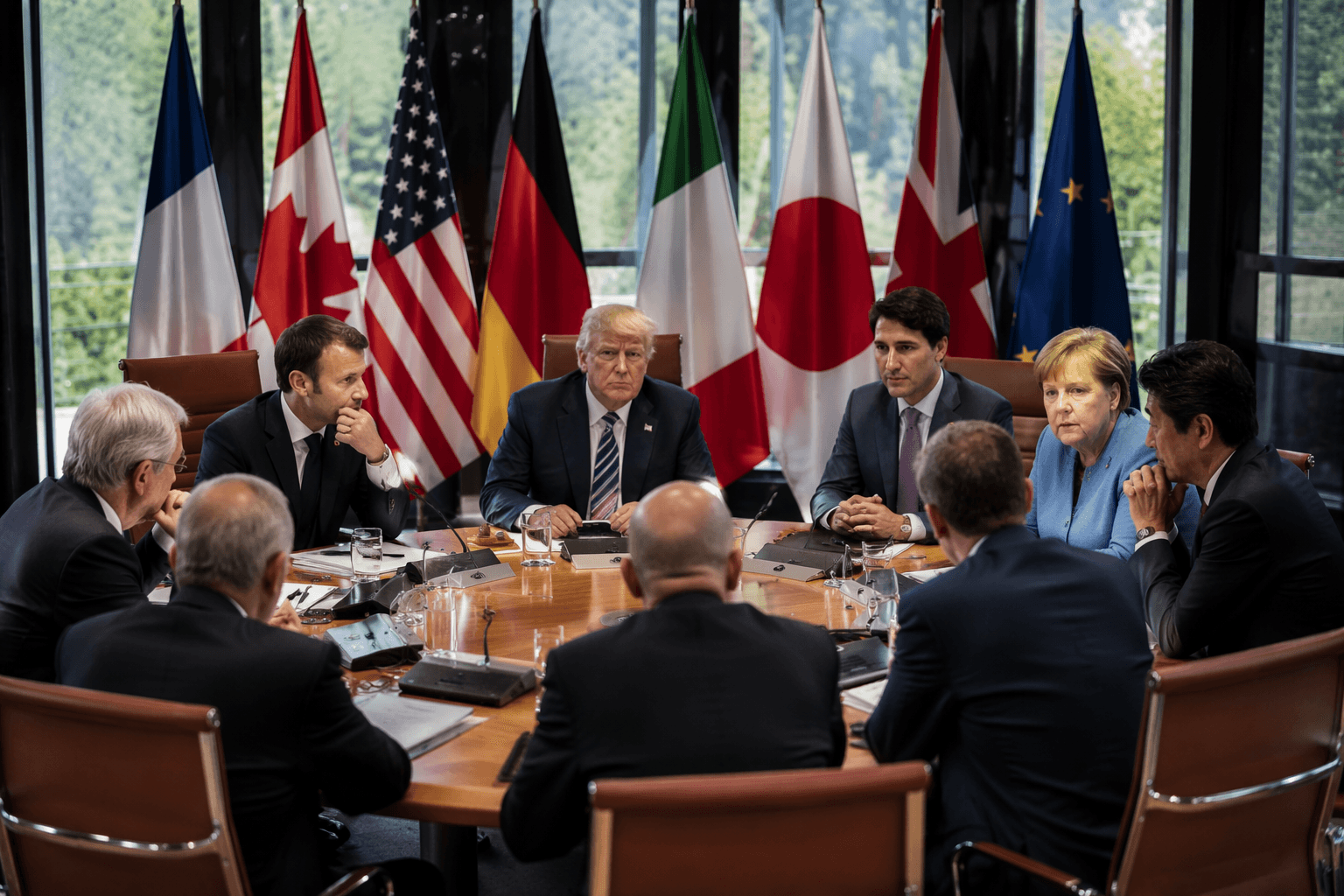
The G7 summit in Évian-les-Bains, France, was dominated by the wars in Iran and Ukraine as Emmanuel Macron tried to project unity among the United States and its closest allies. For France, Britain, Canada, Germany, Italy, Japan and the European Union, the meeting became less a routine summit than a measure of how much trust remained in Washington.
French officials had lowered expectations and adjusted the schedule to accommodate Donald Trump, with one goal reportedly being to keep him at the table through the full meeting. Trump was also set to hold separate talks on the sidelines with leaders from France, Egypt, Qatar, the United Arab Emirates and India, a sign that the summit’s real diplomacy ran well beyond the formal G7 sessions.
The sharpest strain came over Iran. In March, Trump publicly attacked NATO allies for refusing to join the war effort, calling their stance a “very foolish mistake” and describing the alliance as a “one way street.” European governments resisted his demands for military support, including access to airspace and bases, and pushed back against pressure to help reopen the Strait of Hormuz, a critical oil shipping route. France, Spain and Switzerland imposed flight restrictions related to the conflict, and Spain said it would not take part in “a war which was initiated unilaterally and is against international law.” France said its air bases could not be used by aircraft involved in the war. Trump responded by accusing France of being “VERY UNHELPFUL” and warning that the United States would remember it.
Ukraine remained another fault line. Trump was scheduled to take part in a G7 working session with Volodymyr Zelenskyy and the other leaders as Kyiv pressed for more military funding and Russian gains on the battlefield slowed. U.S. officials wanted the war to end as quickly as possible, while a French presidential official said there was no reason to lift sanctions on Russia.
Beyond the immediate crises, the summit agenda also covered economic growth, supply-chain resilience, illegal migration, artificial intelligence and critical minerals. Analysts said the gathering came as China and Russia deepened alternative coalition-building efforts, making the tone of the alliance itself part of the stakes. In that setting, a cooler transatlantic relationship was not just a diplomatic backdrop. It was the story.
This article was produced by Prism’s automated news system from verified source data, official records, and press releases, then run through automated quality and moderation checks before publishing. The system is built and supervised by the people who set the standards it runs under. Read our full AI policy.
Know something we missed? Have a correction or additional information?
Submit a Tip