Trump announces Iran deal as Israel vows to hold seized territory
Trump says Washington and Tehran have a deal, but Israel says it will stay in Lebanon, Syria and Gaza, exposing a wider regional break the pact does not settle.
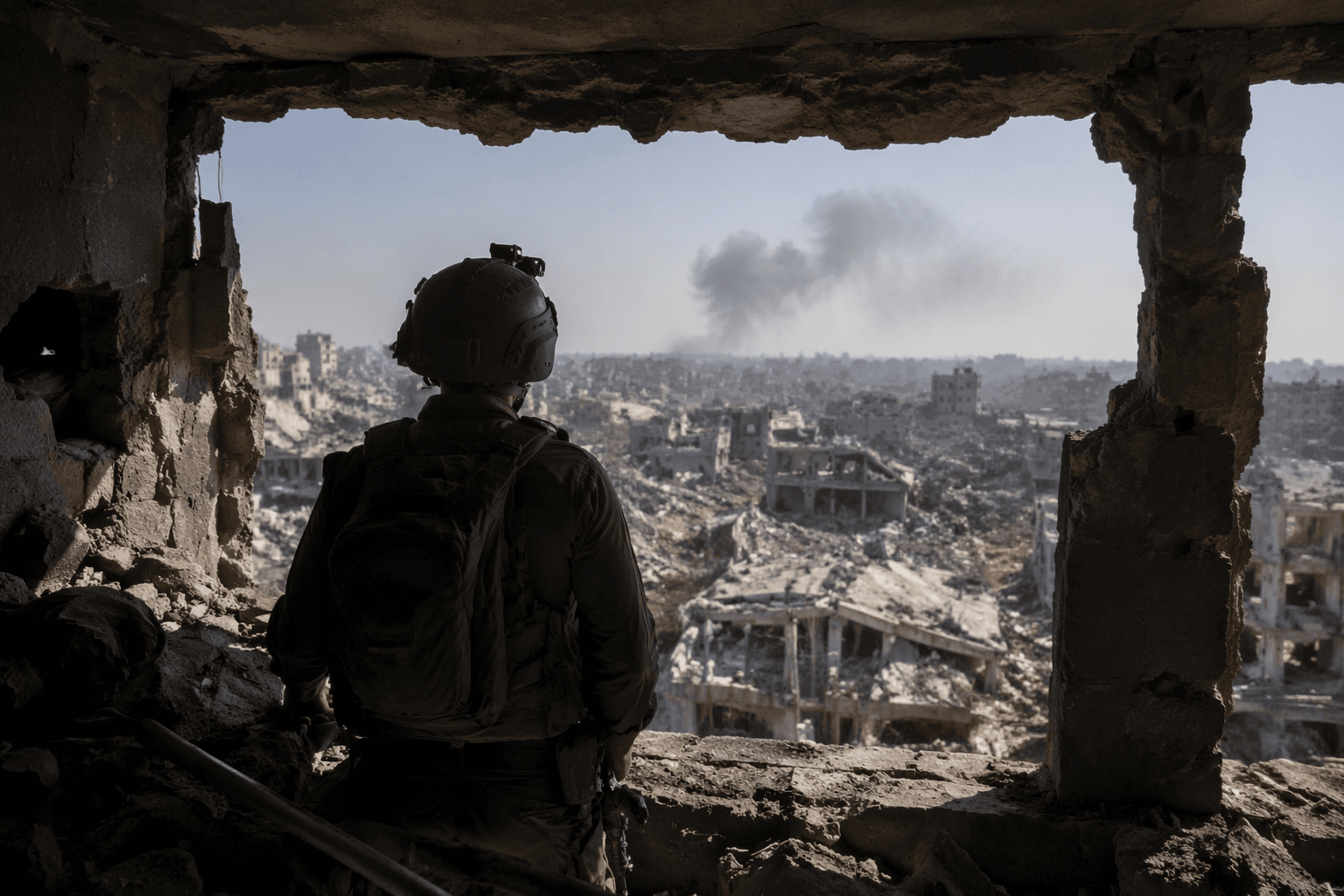
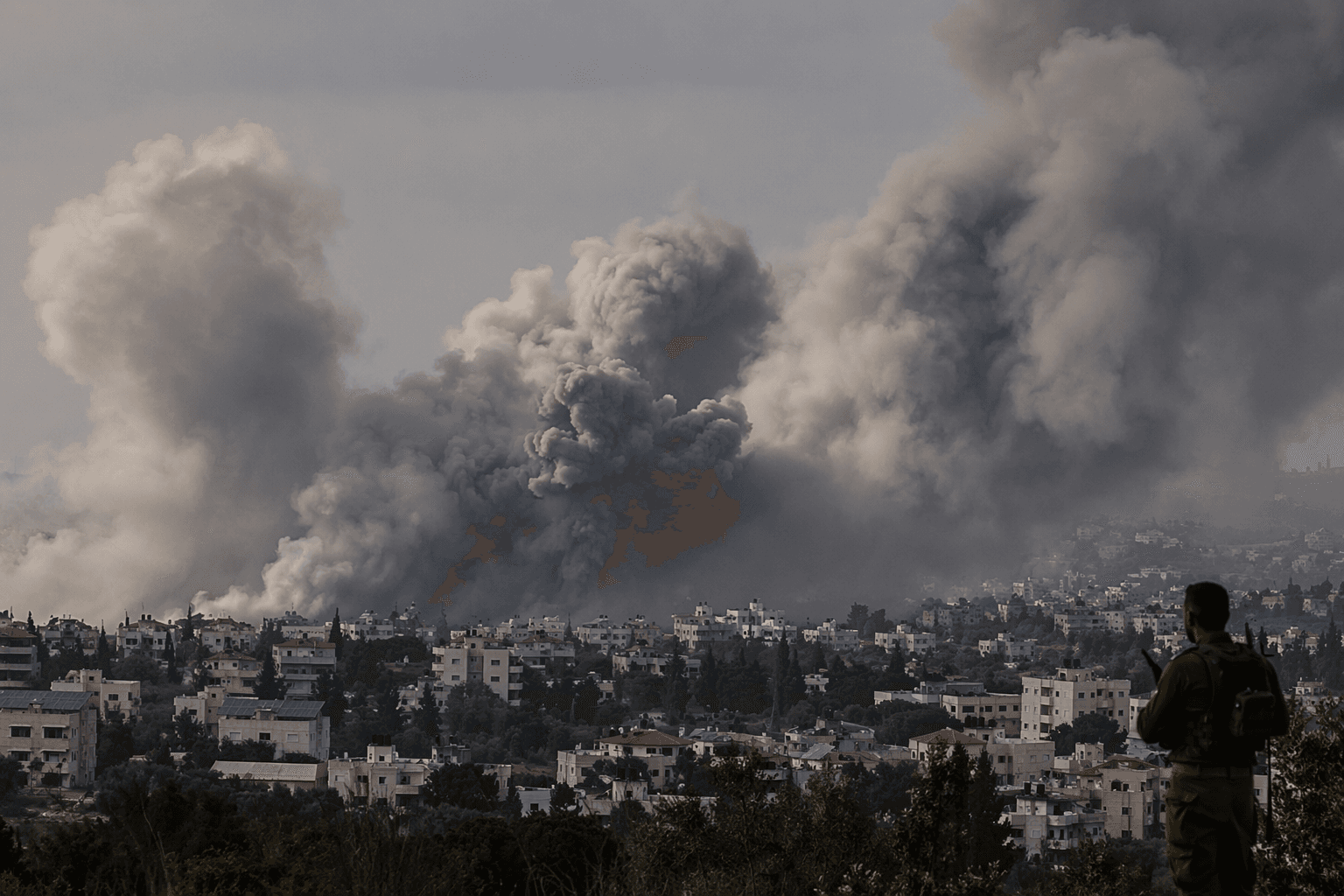
Washington and Tehran may be heading toward a memorandum of understanding, but Israel is signaling that the war’s ground reality will not change. Defense Minister Israel Katz said Israel will keep Israel Defense Forces units in the security zones in Lebanon, Syria and Gaza indefinitely, while Itamar Ben-Gvir said Israel is “not subordinate to the United States” and will not withdraw from territory its forces have occupied and cleared.
Trump said on Sunday that the United States and Iran had reached a “great deal” that would be signed on Friday in Switzerland, and Pakistan Prime Minister Shehbaz Sharif said the ceremony was expected on June 19. The agreement is being cast as a regional reset, with the Strait of Hormuz included and Trump saying oil would flow again after the signing.
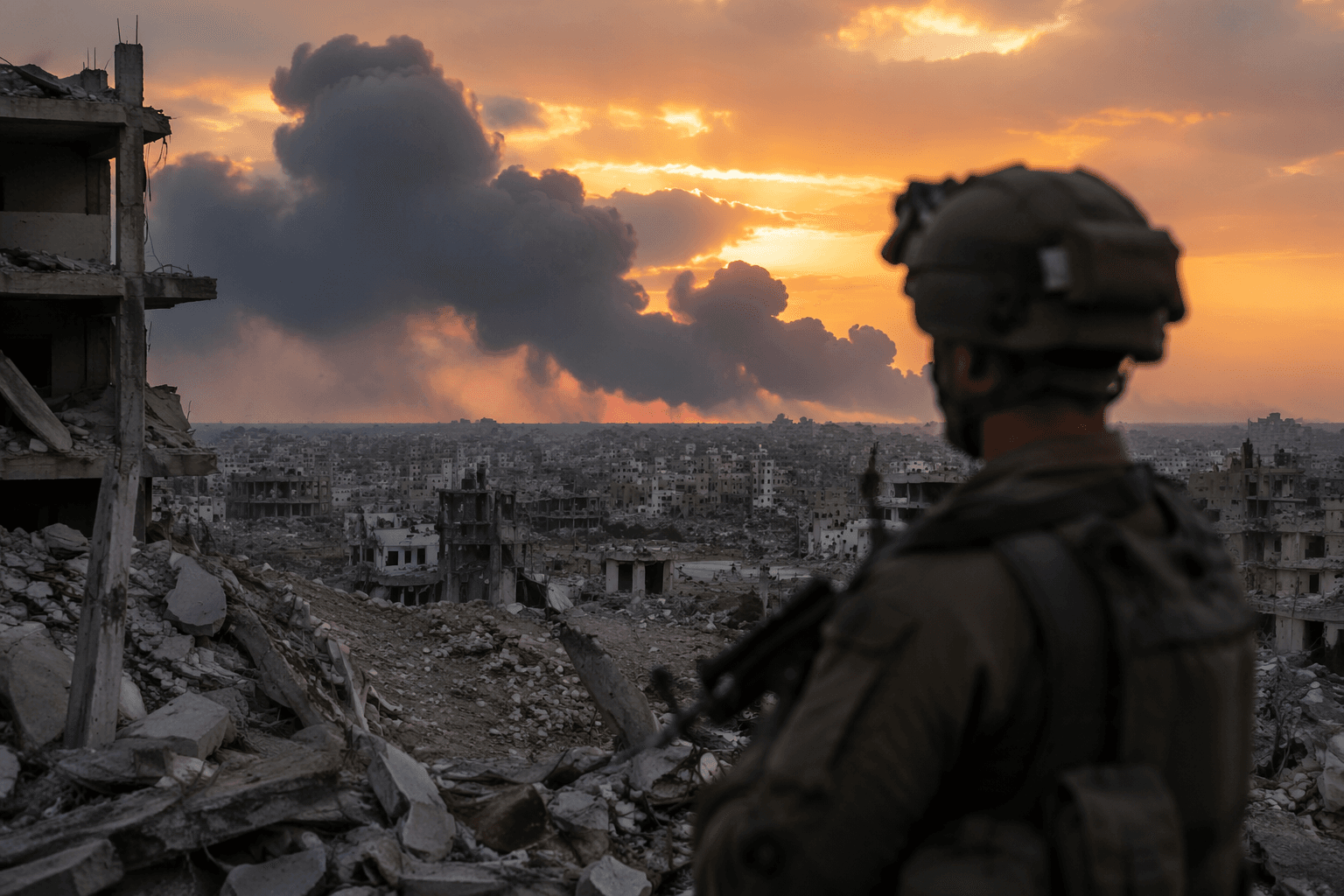
The problem is that the Lebanon front has not fallen into line. CNBC reported that the deal calls for the immediate and permanent termination of military operations on all fronts, including Lebanon, and Iran’s Supreme National Security Council said military operations would cease “immediately and permanently” while the naval blockade would be lifted at once. But Katz said Israel would not withdraw from territory it seized in Lebanon and would retaliate if Iran attacks Israel because of events in Lebanon.
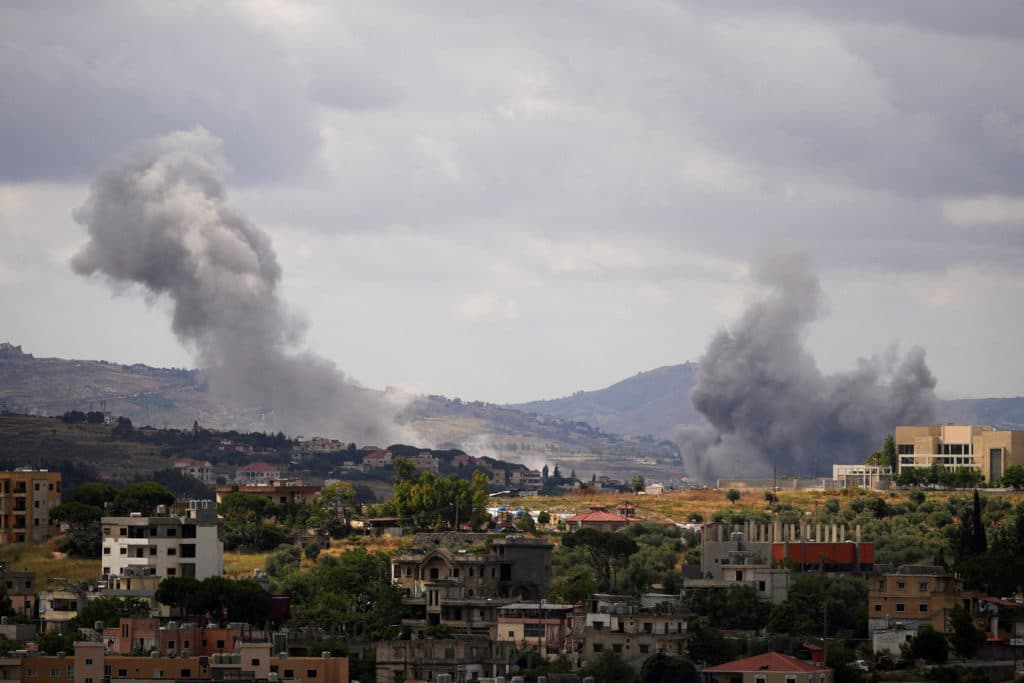
That warning lands against a backdrop of continuing violence. Israeli bombing of Beirut’s southern suburbs continued even as the U.S.-Iran memorandum was announced, and the Lebanon theater nearly derailed the talks earlier on Sunday. The U.S. also convened a fourth high-level trilateral meeting with Israeli and Lebanese representatives on June 2 and 3, part of a U.S.-brokered push tied to Hezbollah’s full withdrawal from the South Litani Sector.
Hezbollah rejected that framework and demanded a full Israeli withdrawal from Lebanon, leaving a core dispute unresolved even as diplomats worked toward a wider accord. The International Maritime Organization said the deal would help restore freedom of navigation and allow the evacuation of thousands of stranded seafarers, underscoring how much rides on a paper agreement that still faces armed resistance on the ground.
The current diplomatic track follows Trump’s announcement on Feb. 28 of “major combat operations” against Iran, after massive joint U.S.-Israeli strikes on military, government and infrastructure sites. A two-week ceasefire followed, but U.S.-Iran talks in Pakistan in April failed to produce a peace deal. Trump then extended the ceasefire and kept a U.S. blockade in place until negotiations concluded. The new agreement may narrow the war between Washington and Tehran, but Israel’s stance in Lebanon shows the broader conflict still has open fronts.
This article was produced by Prism’s automated news system from verified source data, official records, and press releases, then run through automated quality and moderation checks before publishing. The system is built and supervised by the people who set the standards it runs under. Read our full AI policy.
Know something we missed? Have a correction or additional information?
Submit a Tip