Israel, Iran clash over frozen funds and Lebanon in U.S. deal talks
Israel said it will stay in Lebanon as Iran demanded half of $24 billion in frozen funds up front, undercutting a U.S. ceasefire deal.
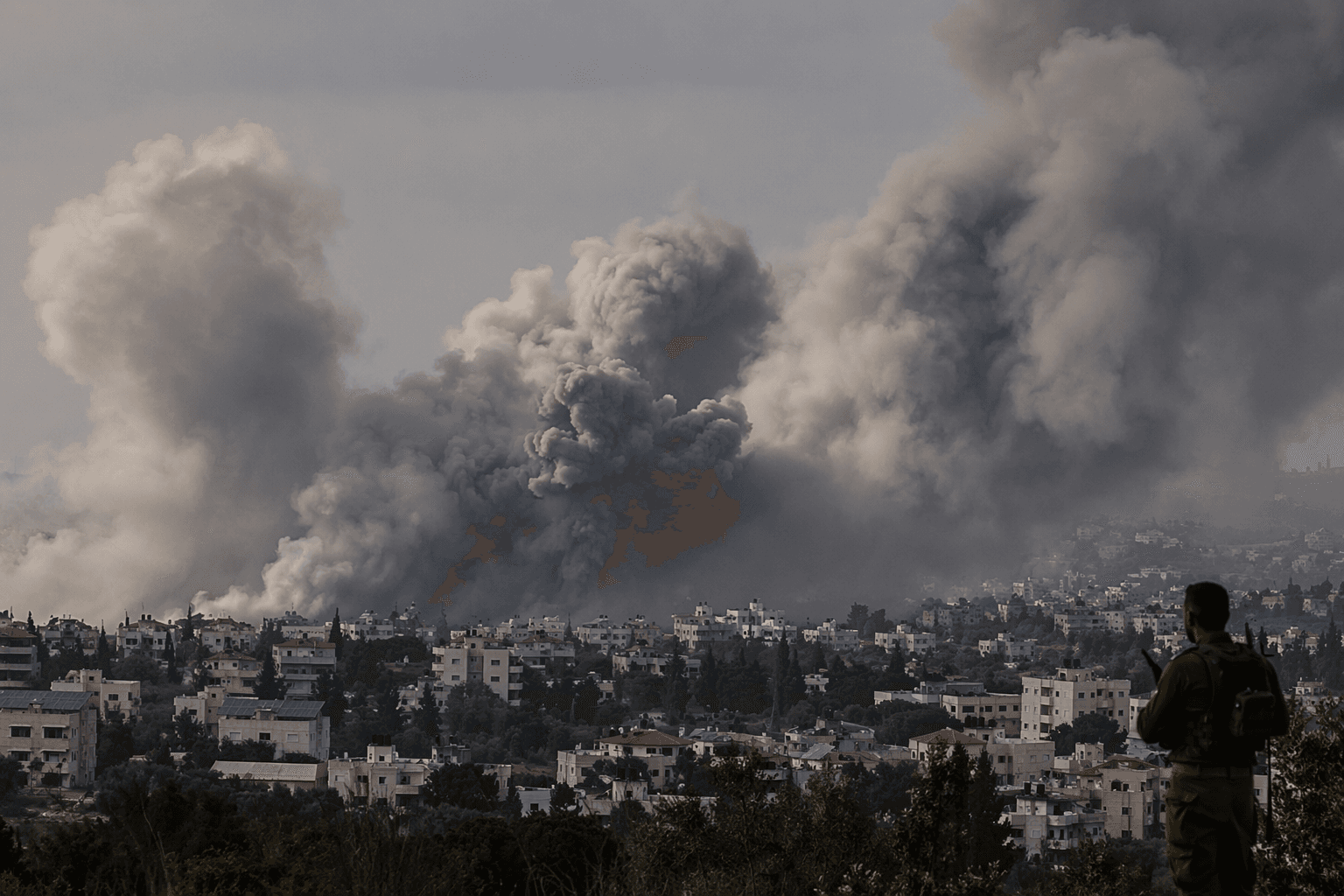
Israel and Iran were already drawing hard lines around a U.S.-brokered deal before it is signed, exposing how much of the agreement still depends on disputes over money, Lebanon and enforcement. Tehran says it should receive half of roughly $24 billion in long-frozen funds before final negotiations begin, while a U.S. official says no money will move until Iran proves compliance with the deal’s terms.
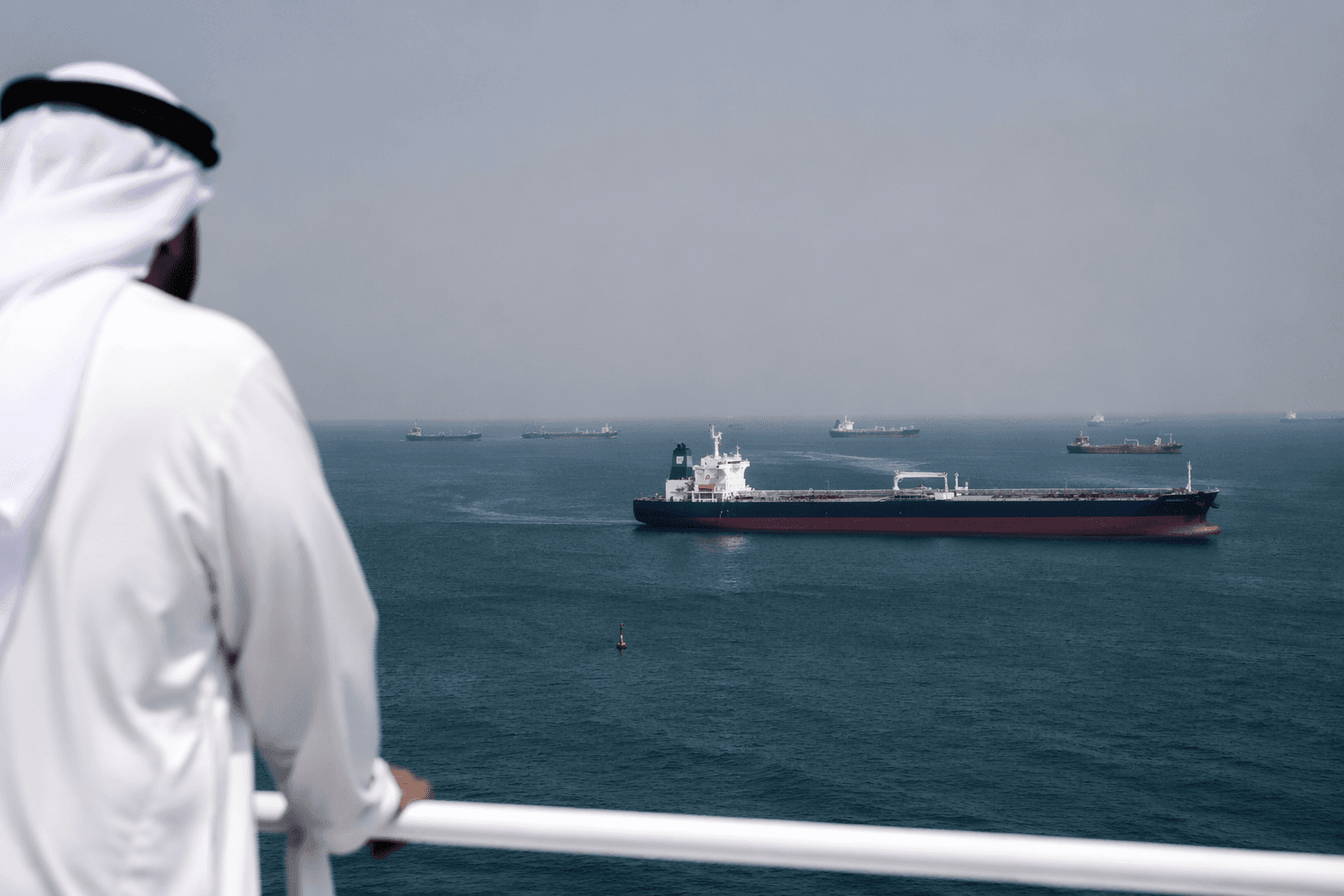
The tentative memorandum of understanding is expected to be formally signed Friday, June 19, in Switzerland. It includes a 60-day ceasefire extension before final talks, but the sides are publicly qualifying what that pause means from the start. President Donald Trump said the Strait of Hormuz will reopen Friday, and that the U.S. naval blockade on Iran will end, but the broader military arrangement remains unsettled.
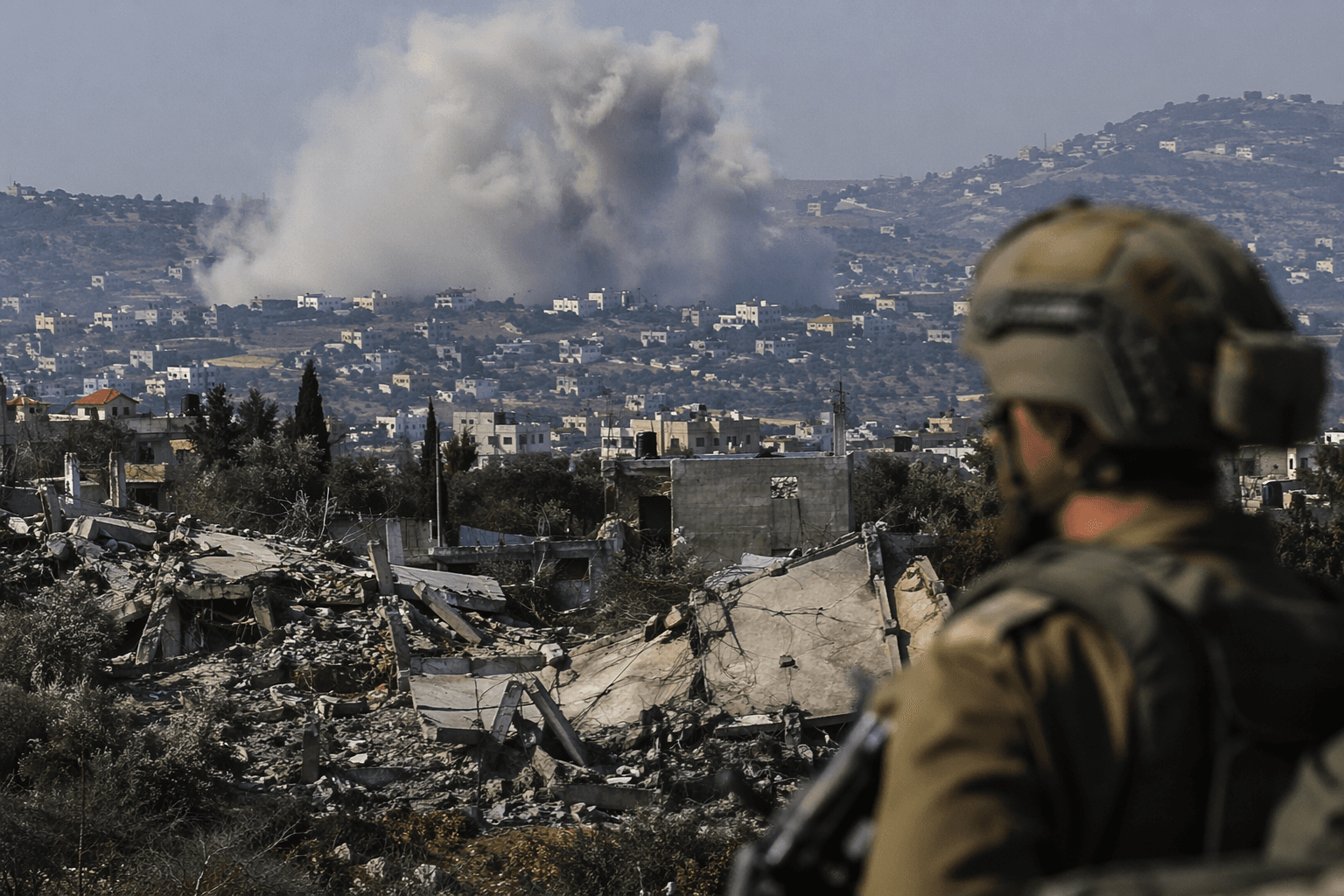
Lebanon is the sharpest fault line. Israeli officials said Israel is not bound by the U.S.-Iran agreement to withdraw its forces from Lebanon or end its fight with Hezbollah, even as Trump, Pakistani mediators and Iranian officials say the pact covers an end to hostilities on all fronts, including Lebanon. Pakistan’s prime minister, Shehbaz Sharif, said Sunday that the United States and Iran had reached a deal that includes “the immediate and permanent termination of military operations on all fronts, including in Lebanon.” That wording collides with the Israeli position and raises the possibility that implementation will begin under competing interpretations.
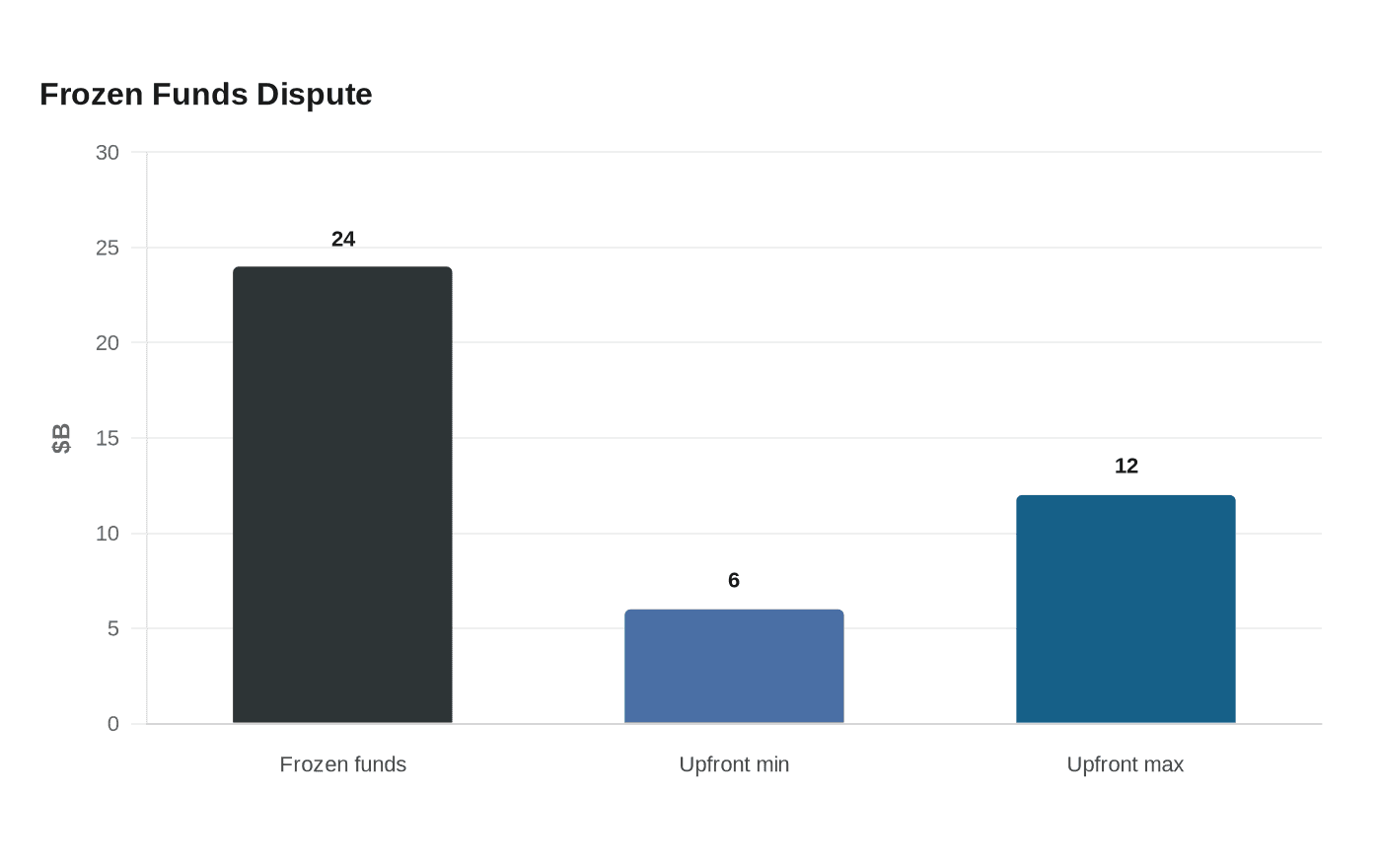
The money dispute is just as fraught. Iran’s Revolutionary Guard said the country would receive half of the frozen funds before final negotiations begin. Earlier efforts to bridge the gap had stalled over the release mechanism, with Iran pushing for $6 billion to $12 billion to be released up front and Washington favoring staged disbursements tied to humanitarian goods and security compliance. The two sides have not agreed on whether the funds move first, or only after Iran meets U.S. conditions.
Markets quickly registered the uncertainty. Brent crude fell more than $4 a barrel after the agreement was announced, reflecting hopes that the ceasefire framework could ease regional risk. But the public caveats from Tehran, Washington and Jerusalem suggest the deal may face its first test not in a negotiating room, but in the gap between what each side says it has agreed to and what each side is prepared to carry out.
This article was produced by Prism’s automated news system from verified source data, official records, and press releases, then run through automated quality and moderation checks before publishing. The system is built and supervised by the people who set the standards it runs under. Read our full AI policy.
Know something we missed? Have a correction or additional information?
Submit a Tip