US and Iran reach framework deal to end monthslong war
A fragile U.S.-Iran framework promises to reopen the Strait of Hormuz, but the hardest tests, Iran’s nuclear file and sanctions relief, still lie ahead.

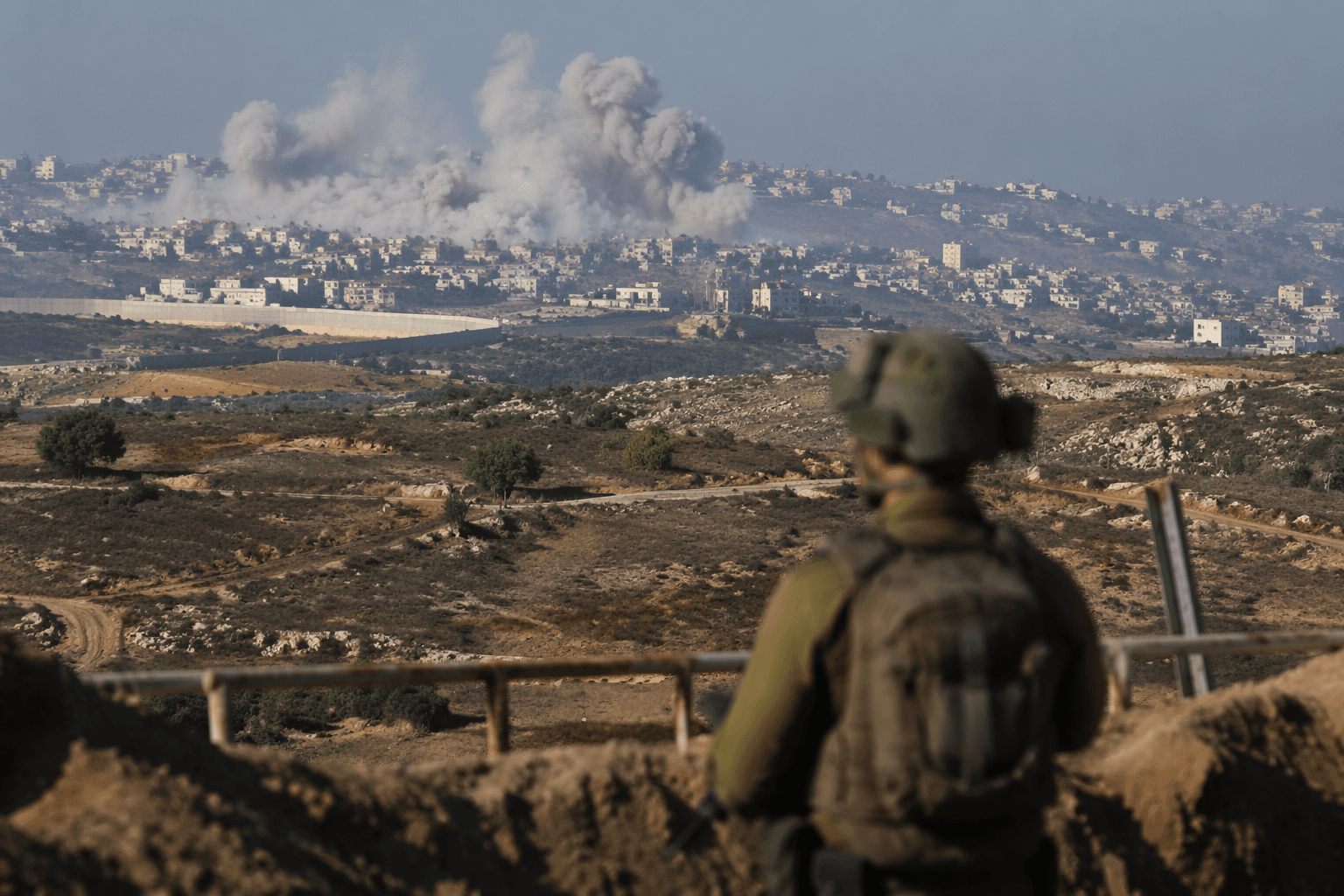
The United States and Iran have reached a preliminary framework that could stop a war that has dragged on for more than three months, but the agreement is only a first step. It would extend the fragile ceasefire, end military operations on all fronts, including Lebanon, reopen the Strait of Hormuz and lift the U.S. blockade on Iranian ports.
That is the breakthrough. What it does not do is settle the conflict. The text has not been made public, and the most consequential issue, Iran’s nuclear program, has been pushed into another 60 days of negotiations. The pact is expected to be formally signed on Friday in Switzerland or Geneva, but until then it remains a roadmap rather than a durable peace.
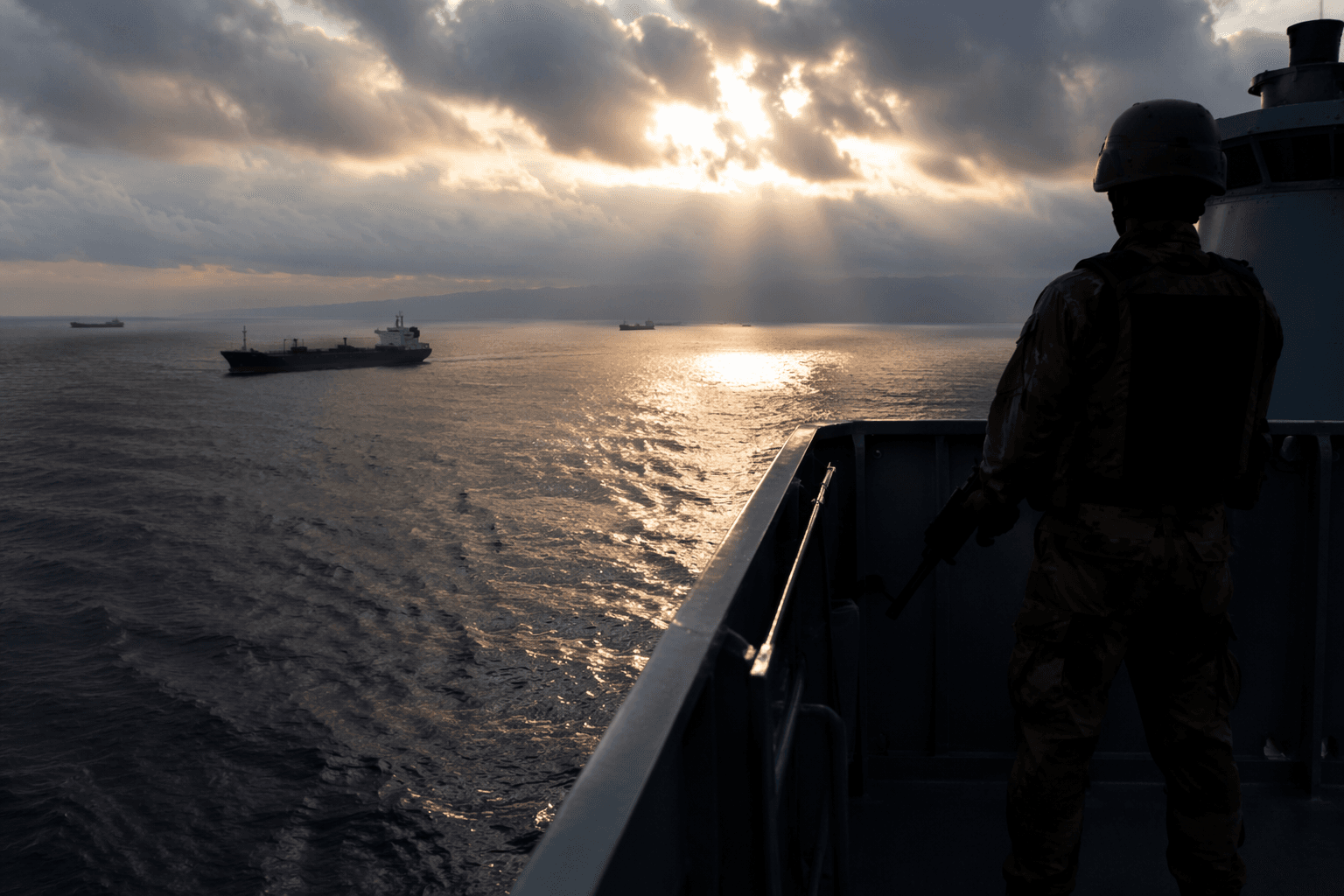
The stakes are global because the Strait of Hormuz is one of the world’s most important energy chokepoints. Iran’s closure of the waterway during the war effectively shut it for months, disrupting oil and gas shipments and rattling commodities markets. The announcement immediately moved prices: Brent crude fell 4% in early Monday trading, while West Texas Intermediate dropped more than 4.6%, and Asian markets rose on hopes that shipping lanes could normalize.
The deal also lands in Washington amid a rare political backlash over the war. The Republican-led House voted 215-208 on June 4 to rein in President Donald Trump’s war powers, and the Senate advanced a similar resolution on May 19. Lindsey Graham was among the lawmakers voicing skepticism, reflecting a wider concern that Washington and Tehran may not even be reading the agreement the same way. The war has killed 13 U.S. service members and damaged American bases across the region, deepening the pressure on Congress to demand a clearer endgame.
Trump welcomed the announcement on Truth Social, saying, “The Deal with the Islamic Republic of Iran is now complete,” and he ordered the U.S. naval blockade to end. Even so, he said he would be willing to restart military attacks if the talks collapse, underscoring how fragile the arrangement remains.
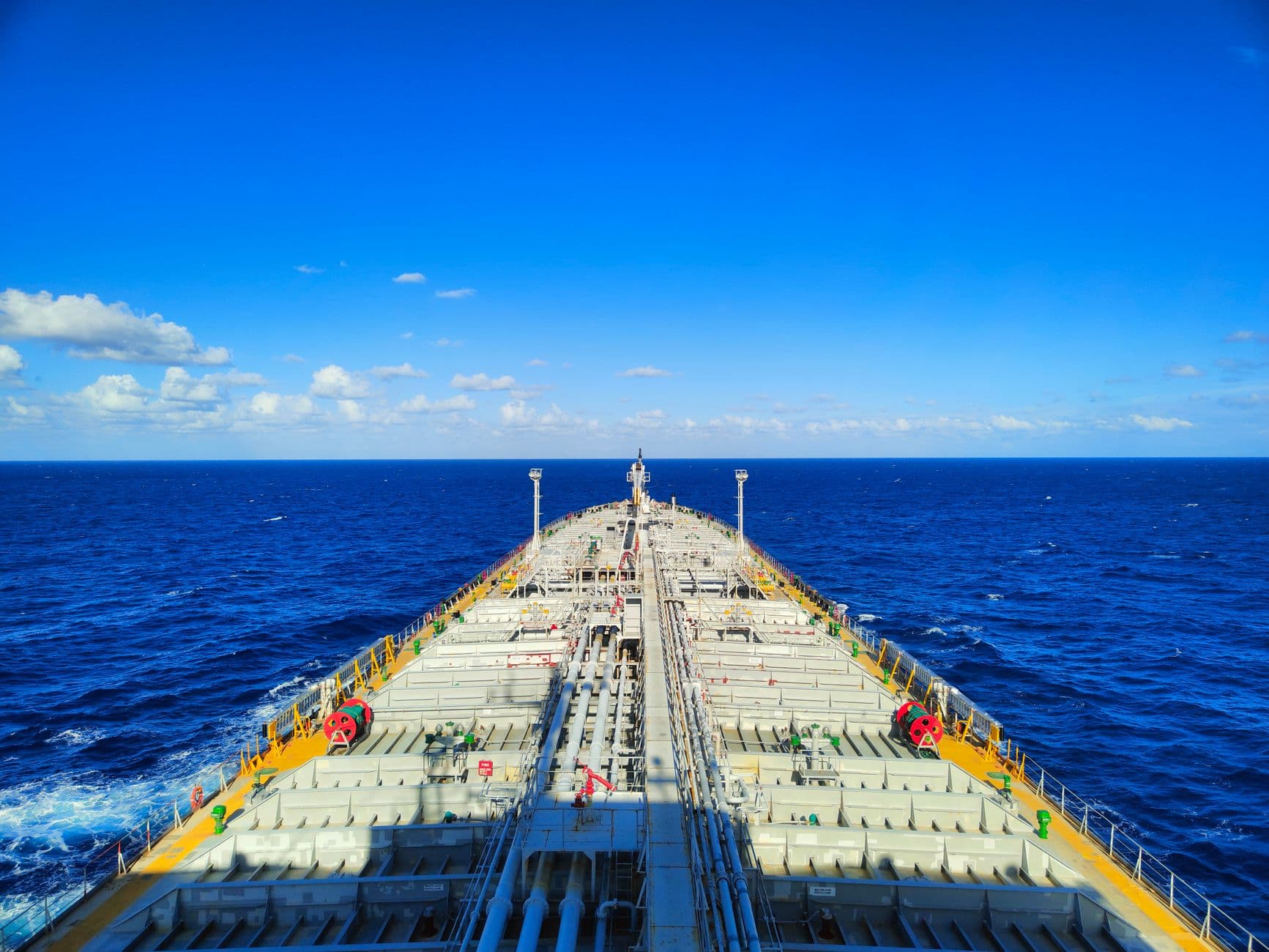
Pakistan served as a mediator, and European powers including the U.K., France, Germany and Italy welcomed the framework while saying sanctions relief would depend on clear, verifiable steps on Iran’s nuclear program. That is the central test now: whether a ceasefire can become a binding settlement before the politics in Washington, Tehran and Europe pull the deal apart.
This article was produced by Prism’s automated news system from verified source data, official records, and press releases, then run through automated quality and moderation checks before publishing. The system is built and supervised by the people who set the standards it runs under. Read our full AI policy.
Know something we missed? Have a correction or additional information?
Submit a Tip