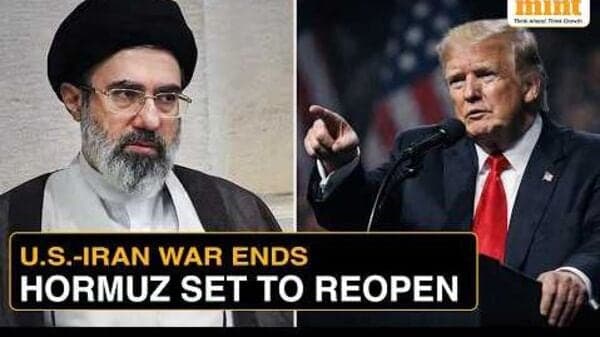
U.S. and Iran reach framework deal, leave nuclear terms unresolved
Trump claimed a win as U.S. and Iran agreed to reopen the Strait of Hormuz, but the deal left Iran’s uranium stockpile and nuclear terms for later talks.
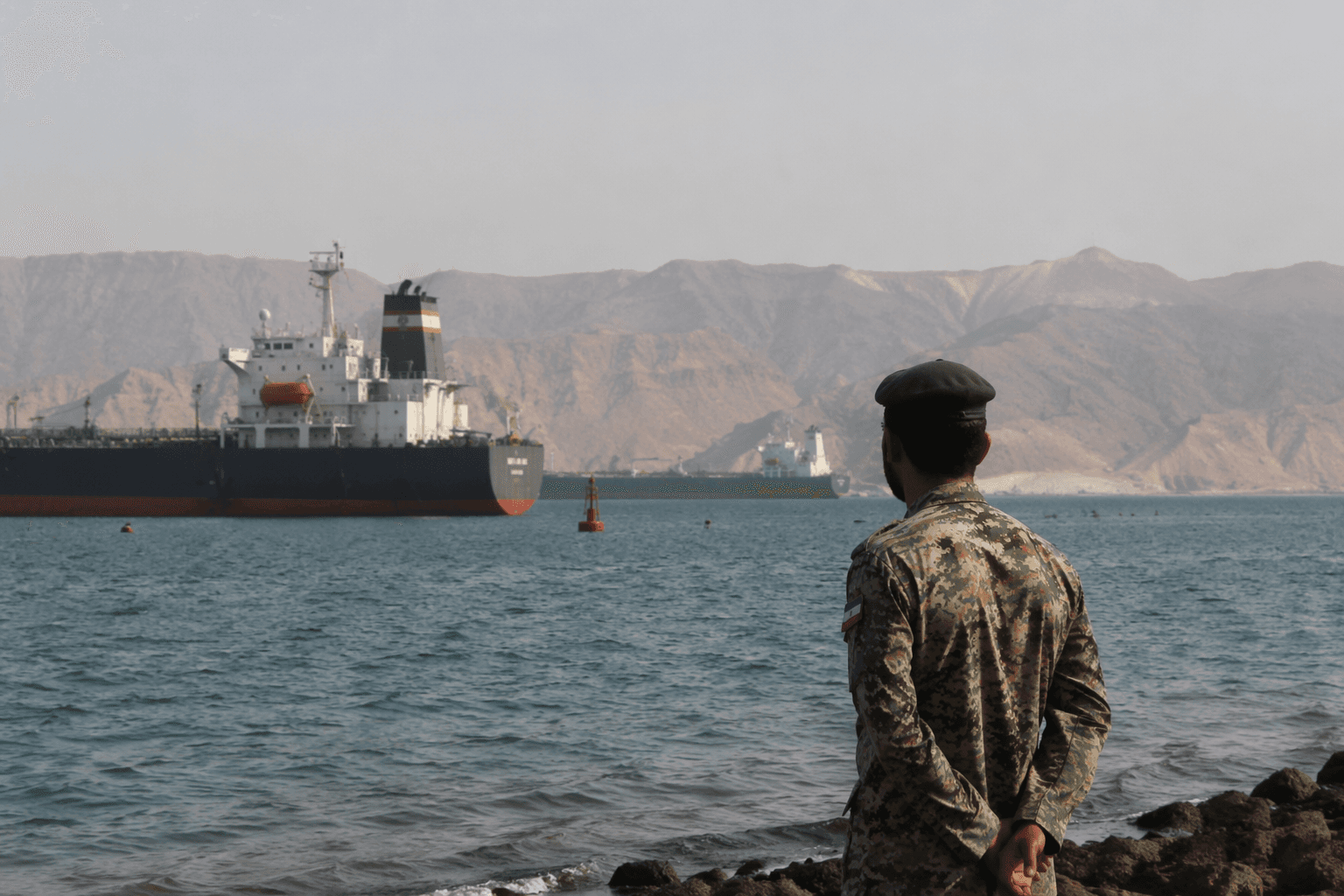
U.S. and Iranian negotiators have struck a framework that could reopen the Strait of Hormuz and extend a fragile ceasefire, but the central question in the conflict, Iran’s nuclear program, was left unresolved. Donald Trump moved quickly to present the breakthrough as a victory, yet the agreement reads more like a political pause than a strategic settlement, with enforcement, sanctions relief and the nuclear file all pushed to later talks.
The arrangement is being described by officials as an initial framework, not a final peace deal. It is expected to open the Strait of Hormuz, lift the U.S. naval blockade on Iranian ports and set up further negotiations, but it does not settle how Iran’s nuclear program will be limited or monitored. The deal also appears to hinge in part on whether fighting in Lebanon can be contained, underscoring how much remains outside the text of the agreement. After more than two months of strained talks, the hardest issues were still sitting on the table.
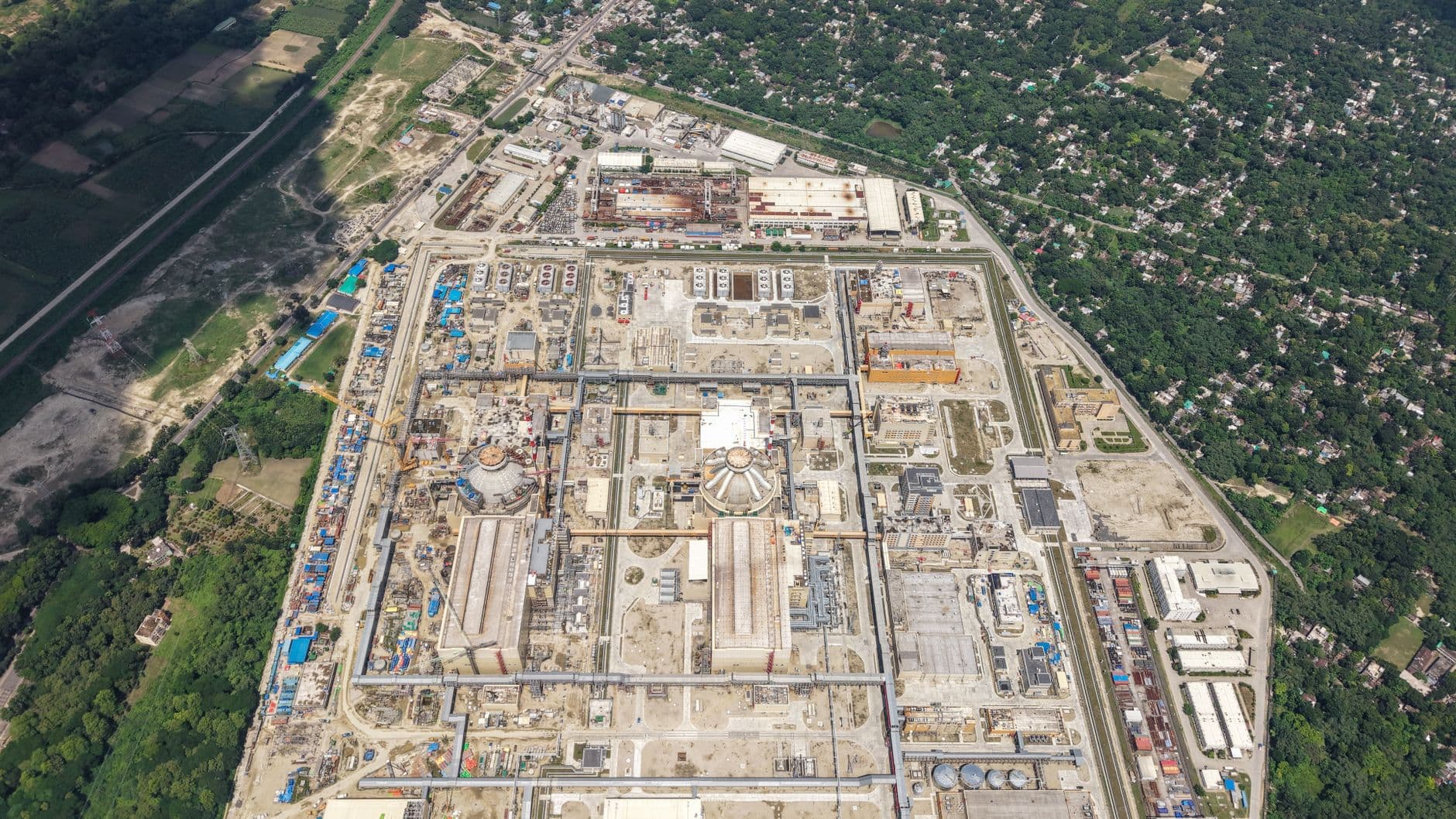
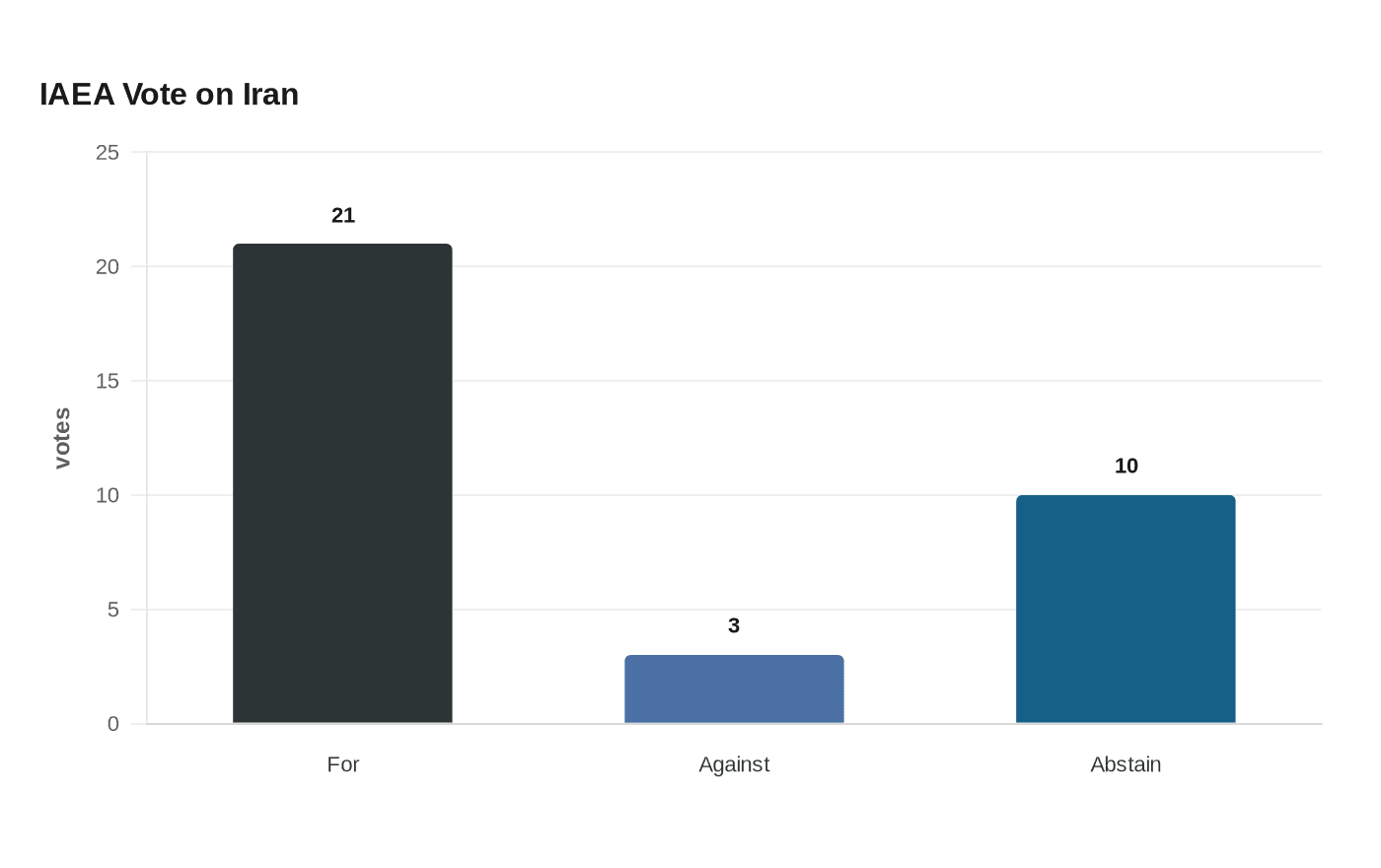
Those issues are sharpened by the nuclear numbers. In a June 4 report, the International Atomic Energy Agency said its assessment of Iran’s program had not materially changed despite the war. Six days later, the agency’s 35-nation Board of Governors adopted a U.S.-backed resolution by 21 votes to 3, with 10 abstentions, telling Iran to declare its remaining enriched uranium stocks and let inspectors verify them. The IAEA said its inspectors were ready to return to Iran’s nuclear sites and check inventories that include more than 400 kilograms of uranium enriched to 60 percent. Other accounts put the stockpile at about 440.9 kilograms, a quantity widely viewed as enough, if further enriched, for multiple bombs.
The diplomatic stakes are complicated by history. Trump withdrew the United States from the 2015 nuclear agreement in 2018 while Iran was still complying, according to Carnegie Endowment reporting, and Iran spent the following years deepening its nuclear expertise and building larger stockpiles of enriched uranium. That history now shapes every demand for written guarantees, including Trump’s push for stronger commitments to dismantle parts of Iran’s nuclear program and remove enriched uranium from the country, terms Tehran has not publicly confirmed.
Reaction has already split along familiar lines. European powers including the U.K., France, Germany and Italy welcomed the agreement and said they were prepared to lift relevant sanctions if Iran takes clear and verifiable steps on its nuclear program. Saudi Arabia welcomed the deal but said any lasting arrangement must reflect regional security interests. In Washington, the House voted 215-208 on June 4 to curb Trump’s war powers against Iran, with four Republicans joining Democrats, a sign that even a presidential win abroad has not erased doubts at home. The Strait may reopen soon, but the real test is whether the nuclear bargain can survive the next round.
This article was produced by Prism’s automated news system from verified source data, official records, and press releases, then run through automated quality and moderation checks before publishing. The system is built and supervised by the people who set the standards it runs under. Read our full AI policy.
Know something we missed? Have a correction or additional information?
Submit a Tip