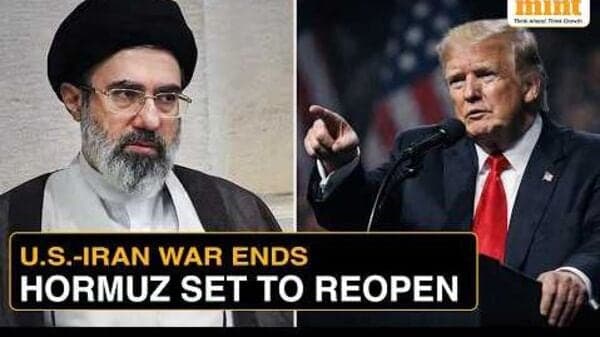
Vance denies Iran will receive billions under U.S. deal
Vance said Iran will not get “billions of dollars of assets” up front, as details of the U.S.-Iran memorandum and its frozen-funds debate remain unsettled.
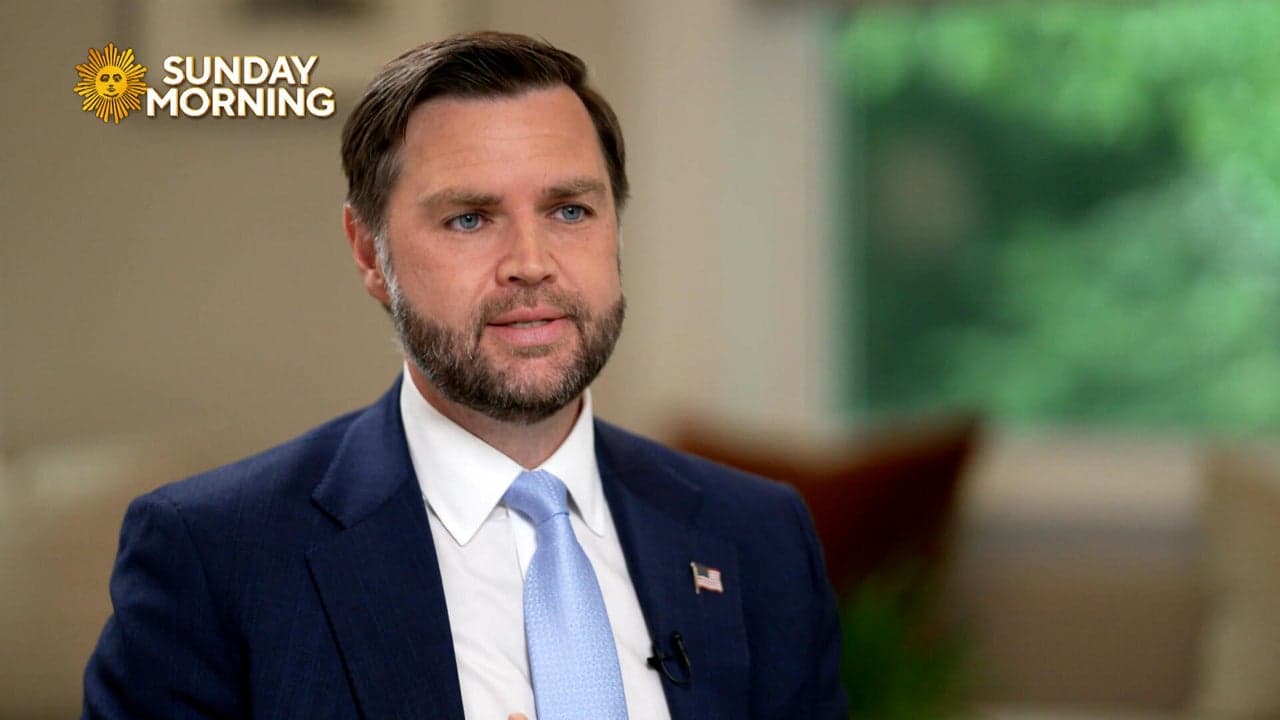
Vice President JD Vance tried to shut down the loudest claim swirling around the U.S.-Iran deal: that Tehran will walk away with billions in cash. Speaking on CBS Mornings, Vance said reports that Iran would receive “billions of dollars of assets” are not true and that no money would be released simply for signing the agreement or sitting down at the table.
The denial lands at the center of a credibility fight over a pact that has not yet been fully disclosed. The United States and Iran announced the agreement on Sunday as a memorandum of understanding, not a final peace treaty, and signing is expected later this week in Geneva, Switzerland, on Friday, June 19, 2026. The text has not been made public, but the deal is reported to include reopening the Strait of Hormuz and a stand-down in military operations.
That uncertainty has left the financial terms open to competing interpretations. Earlier reporting suggested Iran could receive a postwar reconstruction program or investment fund worth about $300 billion. Other reports said Tehran was seeking the release of roughly $24 billion in frozen assets. Iranian sources also said the draft included oil sanctions relief, limits on nuclear activity, and a possible staged release of frozen funds.
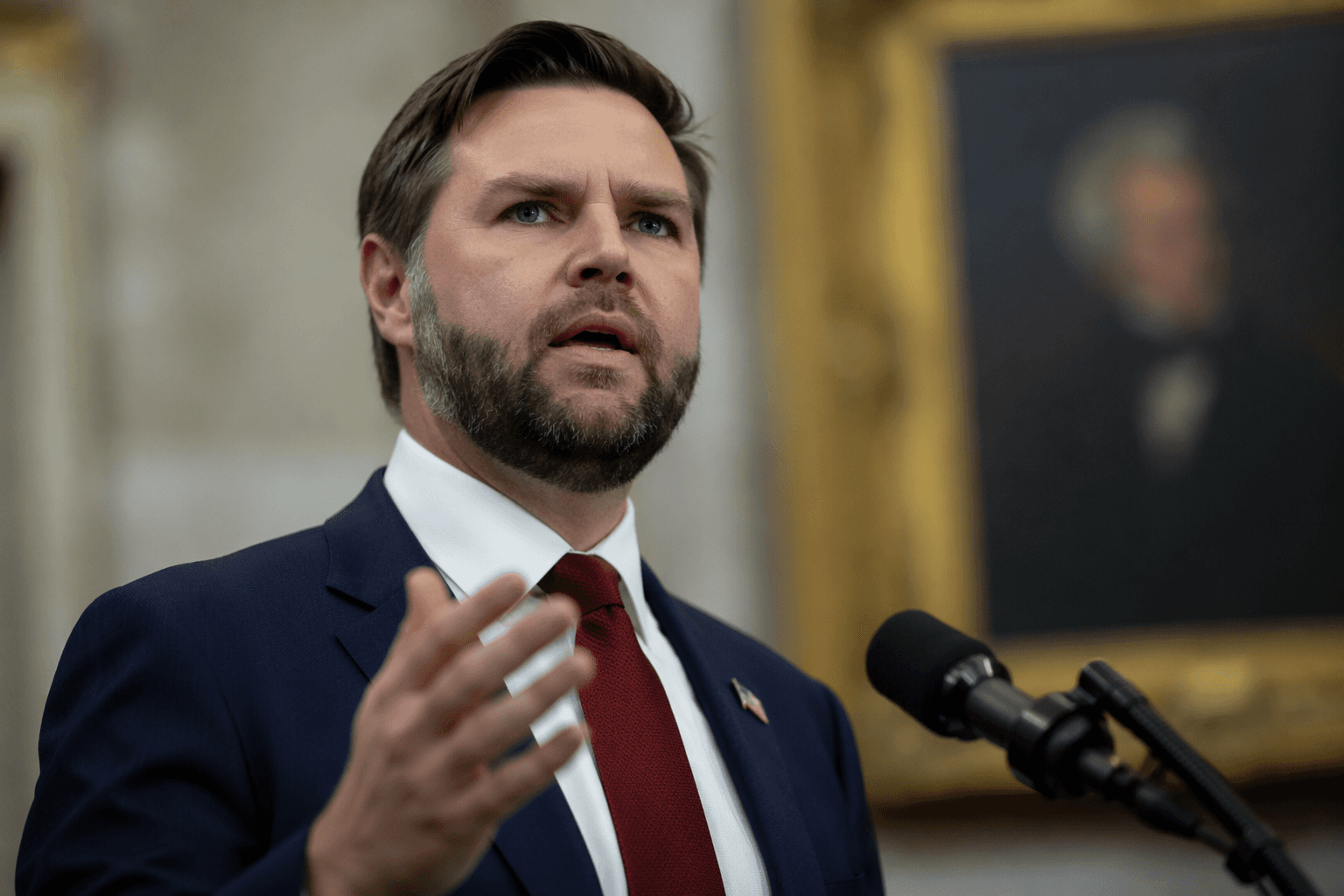
Vance’s comments were aimed squarely at that debate. He said Iran would get economic benefits only if it met its obligations under the deal, a message designed to draw a hard line between conditional relief and an outright transfer of cash. The distinction matters politically, especially as critics warn the agreement could favor Tehran while supporters argue it could end the war and calm energy markets.
Markets have already moved on the prospect of a breakthrough. Stocks rose and oil prices fell after the preliminary agreement was announced, reflecting hopes that reopening the Strait of Hormuz would reduce the risk of a broader energy shock. For Washington, the fastest way to contain the backlash may be to insist that the deal is not a giveaway, but the unresolved text still leaves room for suspicion over what assets, sanctions relief and frozen funds are actually on the table.
This article was produced by Prism’s automated news system from verified source data, official records, and press releases, then run through automated quality and moderation checks before publishing. The system is built and supervised by the people who set the standards it runs under. Read our full AI policy.
Know something we missed? Have a correction or additional information?
Submit a Tip