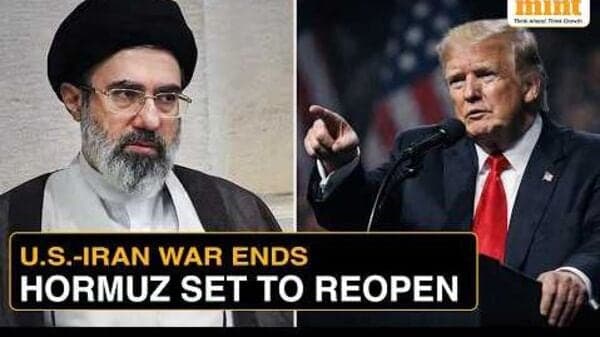
U.S. and Iran agree framework to end war, reopen Hormuz Strait
Relief spread in Tehran as Iran and the U.S. moved to reopen Hormuz, but residents still feared one more Trump statement could upend prices and calm.
Tehran woke to a rare mix of relief and suspicion as the United States and Iran said they had agreed terms to end the war and reopen the Strait of Hormuz. A memorandum of understanding was set to be formally signed on Friday in Switzerland, but in Iran’s capital the announcement landed against a backdrop of strikes, shortages and the fear that another round of fighting could still undo everything.
The framework pushed the most volatile issue, Iran’s nuclear program, into later negotiations. It also left major questions open over sanctions relief, frozen Iranian assets and the shape of any final deal. Even so, the prospect of reopening the strait, which before the war carried about one-fifth of the world’s oil and gas supply, sent markets higher and raised hopes that shipping, fuel supplies and import costs could steady after months of disruption.
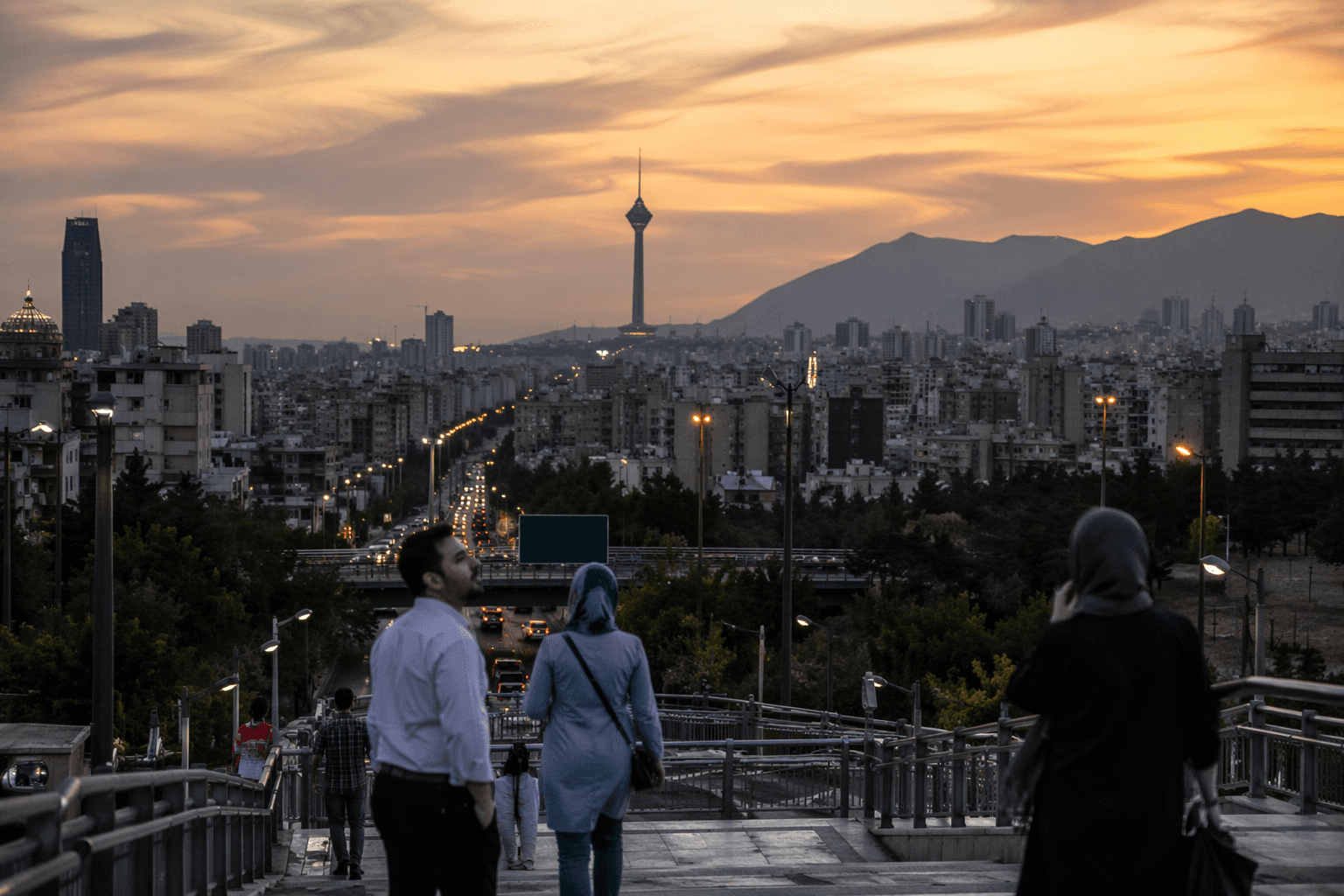
For ordinary Iranians, the promise of calm is inseparable from mistrust. “Every day, we wake up listening to Trump — and our lives can go up or down based on what is said,” a university professor in Tehran said. That anxiety captures the daily reality for households tracking not only diplomacy, but the price of gasoline, food and the basic rhythm of commerce in a country already strained by sanctions and war.
Iranian officials cast the accord as broader than a simple ceasefire. Esmaeil Baghaei said Lebanon was an integral part of the agreement and that the text called for hostilities to end on all fronts and for Lebanon’s territorial integrity to be respected. NBC News reported that the Iranian Secretariat of the Supreme National Security Council said warfare would cease immediately and permanently from tonight. Yet fighting in Lebanon has continued, with Hezbollah opening fire on Israel in support of Tehran and Israel responding with air and ground operations that displaced about 1.2 million people.
The conflict began with joint U.S.-Israeli strikes on Iran in February and widened across the region, dragging in Lebanon, rattling oil markets and fueling recession fears far beyond the Middle East. Iranian state television portrayed Iran as the winner of the war, and Foreign Minister Abbas Araqchi said the country had emerged stronger. But with Israel outside the talks and the nuclear dispute postponed rather than solved, the agreement looked less like an end point than a fragile pause, one that could still be tested by the next statement from Washington or the next flare-up along the region’s fault lines.
This article was produced by Prism’s automated news system from verified source data, official records, and press releases, then run through automated quality and moderation checks before publishing. The system is built and supervised by the people who set the standards it runs under. Read our full AI policy.
Know something we missed? Have a correction or additional information?
Submit a Tip