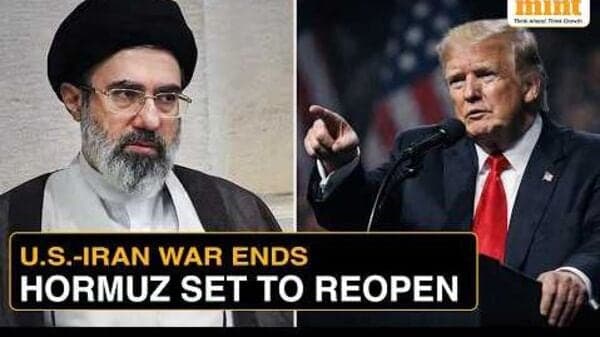
Trump heads to France for G7 as U.S.-Iran deal looms
Trump reached France as G7 leaders faced a U.S.-Iran deal they welcomed cautiously, not as a show of unity but as a test of how far allies would bend.
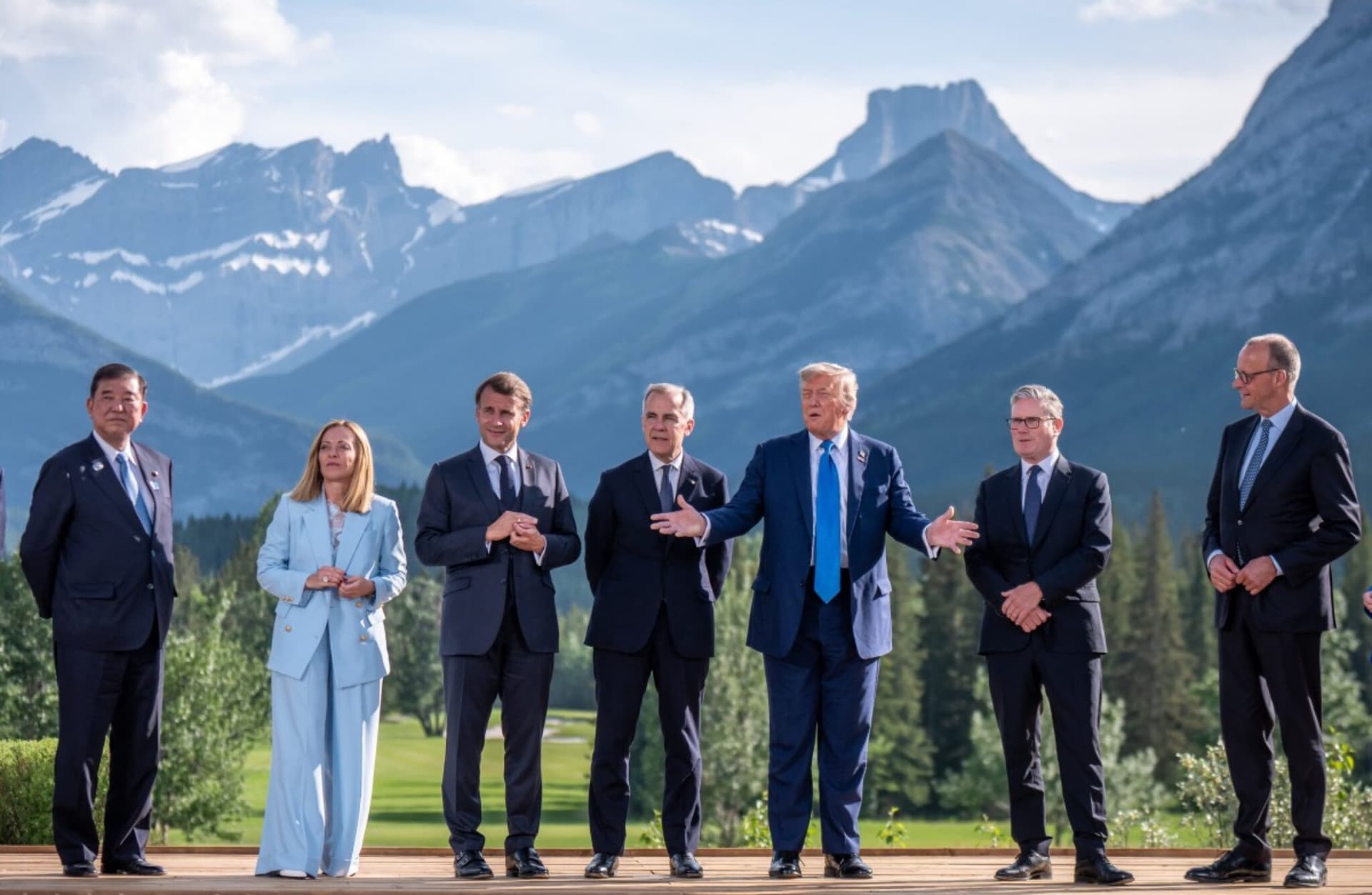
Donald Trump arrived in Europe as the G7 opened in Évian-les-Bains, France, and the summit quickly became a test of alliance discipline rather than a staged display of harmony. France, which hosted the 2026 gathering under Emmanuel Macron’s presidency, had already turned the lakeside town near the Swiss border into a high-security diplomatic zone, with cross-border coordination underscoring how closely the region’s security stakes were tied to the talks.
The immediate pressure point was the preliminary U.S.-Iran agreement announced just before the summit. Multiple reports said the deal was headed for a formal signing ceremony on June 19 in Switzerland, but key terms were still unresolved and the exact terms were not immediately known. European leaders welcomed the prospect of stopping the war, yet they were not prepared to treat the arrangement as settled policy. They wanted clarity on the substance, and several signaled that sanctions relief should depend on Tehran taking concrete steps to curb its nuclear program.
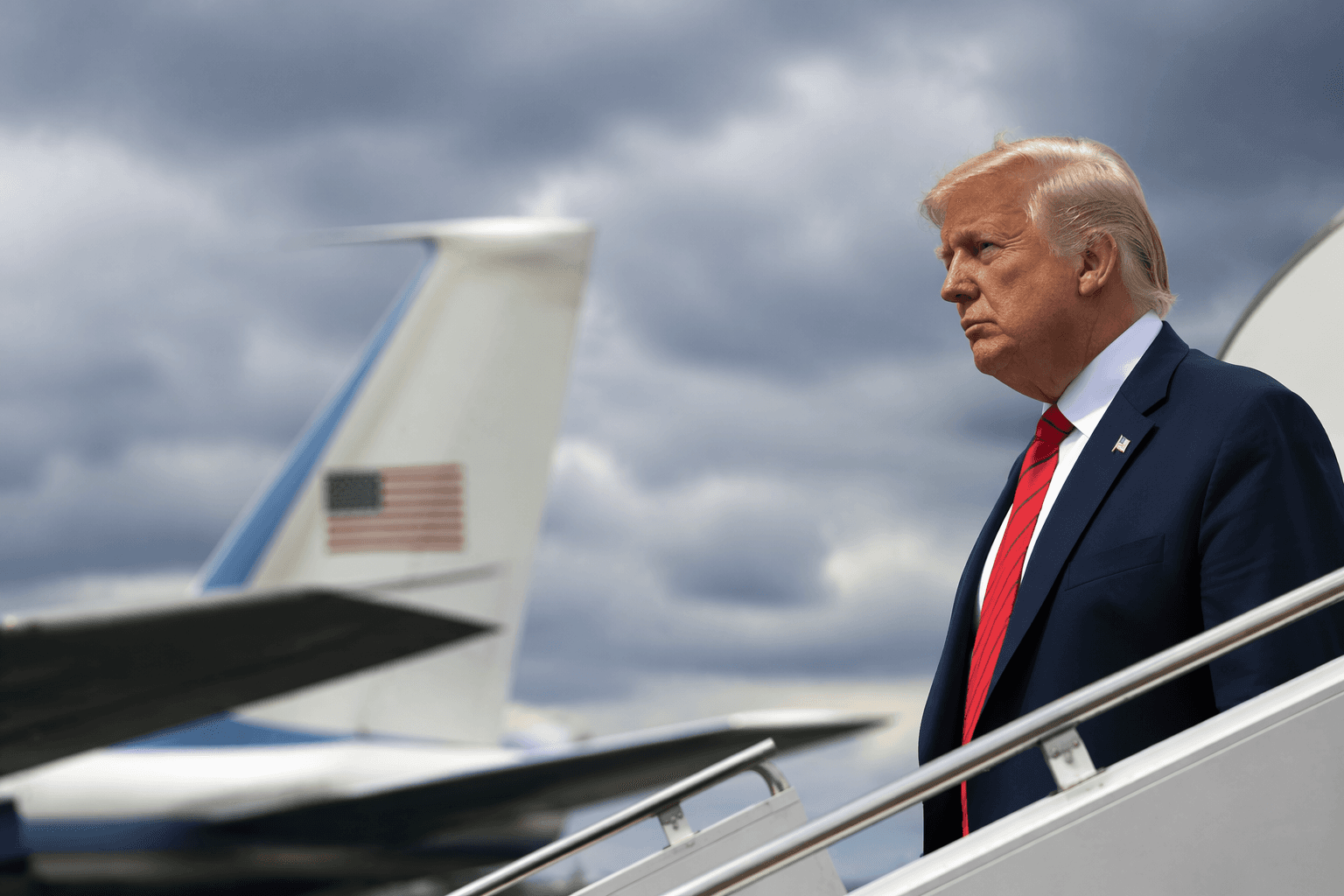
That caution mattered because the Iran deal cut across several of the G7’s other priorities. The leaders were also set to discuss Ukraine, global economic imbalances, trade, critical minerals and artificial intelligence, all of them issues that depend on some measure of Western unity. Instead, the summit opened with allies trying to determine whether Trump’s move toward Tehran aligned with their security goals or simply papered over deep disagreements about enforcement, deterrence and what kind of pressure should remain on Iran.
The shift in Trump’s posture only deepened the skepticism. In the days before the summit, Reuters reported that his tone swung sharply from threatening to strike Iran very hard to announcing that a peace deal would be signed. That reversal left European capitals looking for more than a headline. Emmanuel Macron also sharpened the stakes by saying France was prepared to deploy ships to the Strait of Hormuz, a reminder that any agreement with Tehran still carried immediate consequences for regional security and maritime traffic.
Macron had already widened the diplomatic frame before the summit, chairing a video conference on June 11 with G7 countries and representatives from China, India, Brazil, South Korea and Kenya to discuss macroeconomic imbalances and global economic governance. But as the leaders gathered in Évian-les-Bains, the central question was narrower and harsher: whether the United States and its closest allies could claim common purpose on Iran, or whether the deal would expose how much of that unity was still only being performed.
This article was produced by Prism’s automated news system from verified source data, official records, and press releases, then run through automated quality and moderation checks before publishing. The system is built and supervised by the people who set the standards it runs under. Read our full AI policy.
Know something we missed? Have a correction or additional information?
Submit a Tip