Iran says Lebanon deal would extend ceasefire, Israel to stay in south
Iran said the Lebanon deal would cover the fighting there, but Israel said its troops would stay in the south.
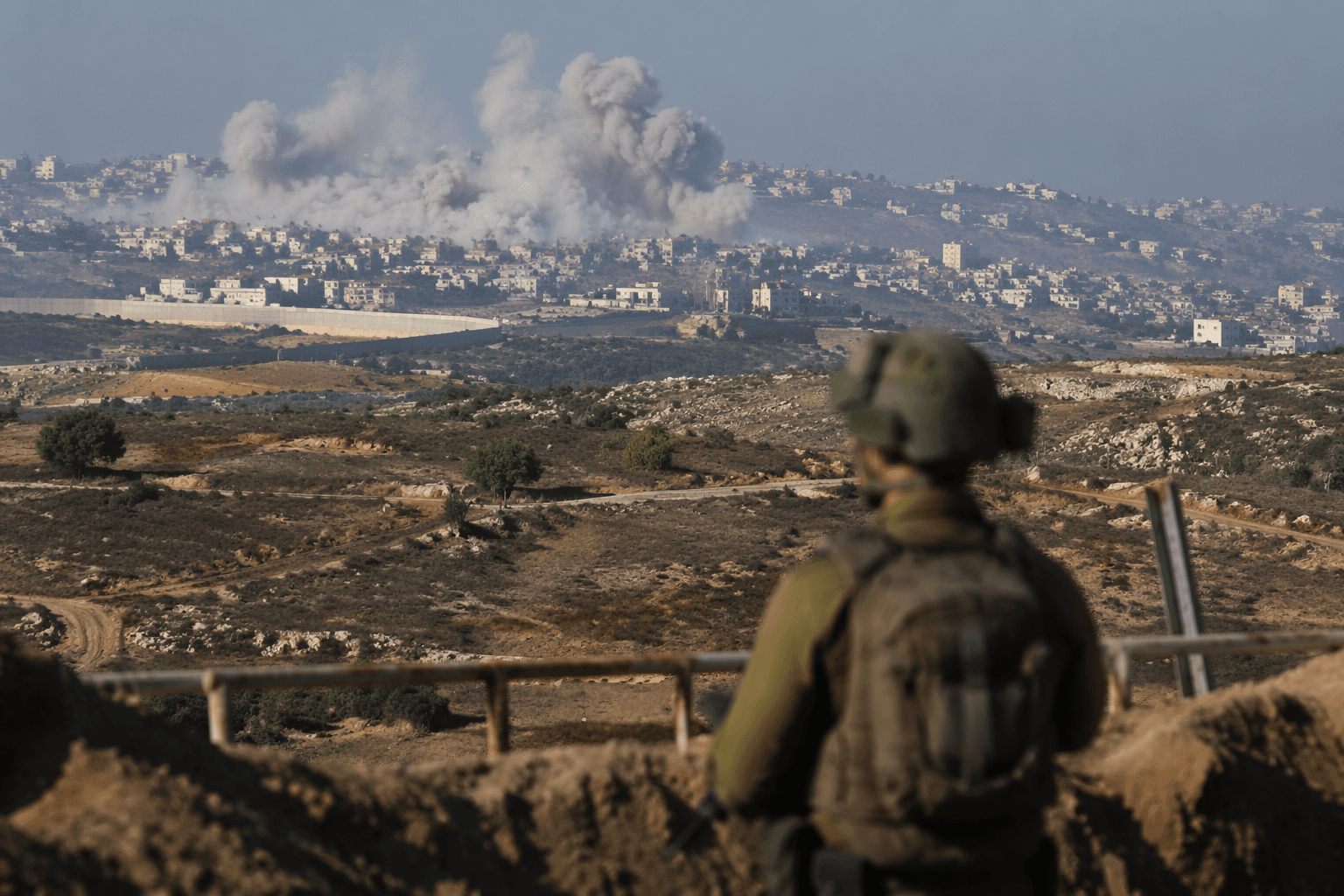
The latest U.S.-backed understanding between Israel and Lebanon did not settle the central question on the ground: who gets to stay in southern Lebanon, and under what rules. Iran said the broader agreement would extend to Lebanon, while Israel said its forces would remain in place, leaving the ceasefire open to sharply different interpretations before any durable calm could take hold.
On June 3, Israel and Lebanon agreed in U.S.-mediated talks to implement a ceasefire tied to Hezbollah’s withdrawal from the South Litani Sector. The arrangement was contingent on a complete halt to Hezbollah fire and the evacuation of Hezbollah operatives from south of the Litani River, while Israeli forces would keep positions in southern Lebanon. Hezbollah rejected the plan the next day, saying it would not accept any deal that allowed Israel to stay in the south.
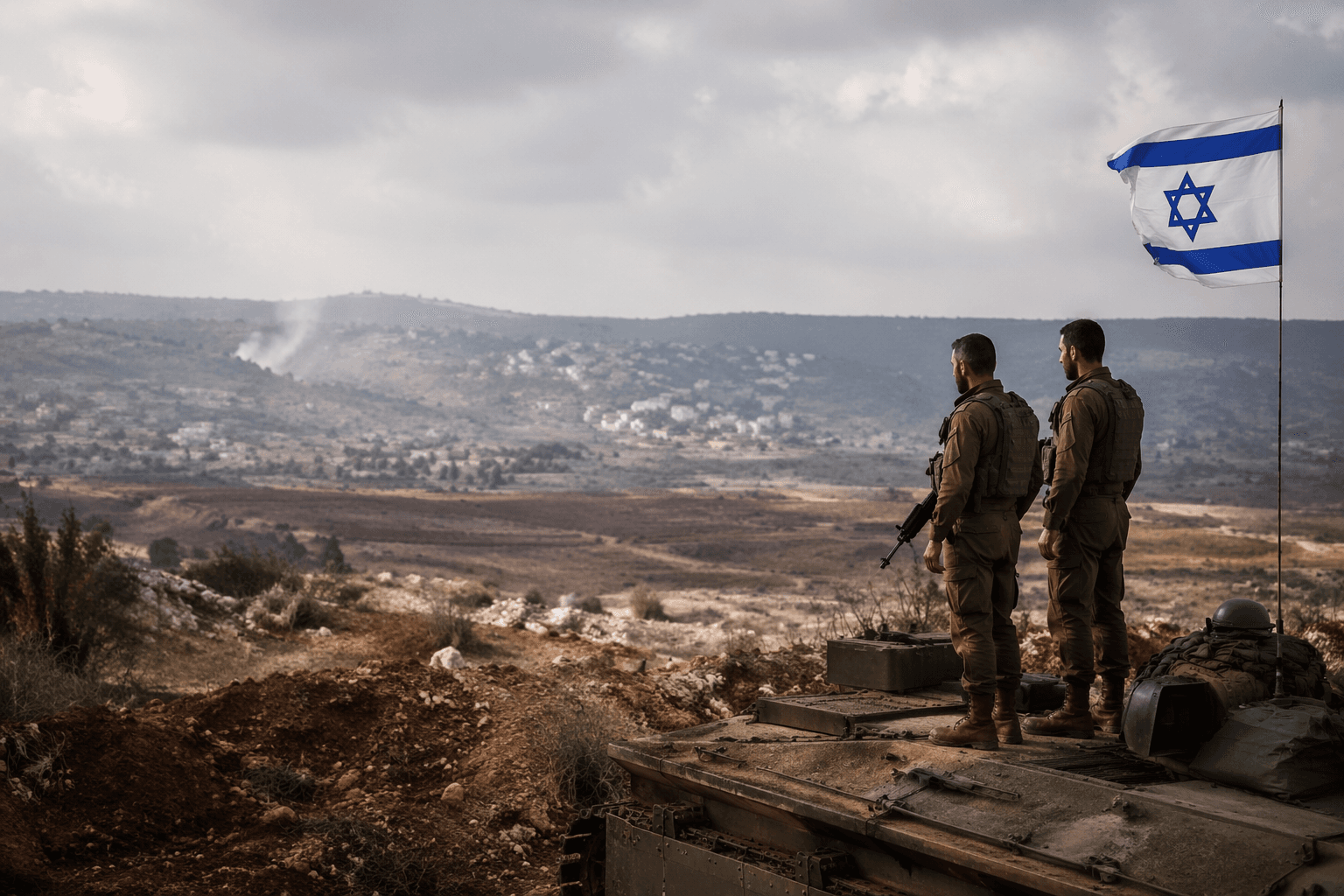
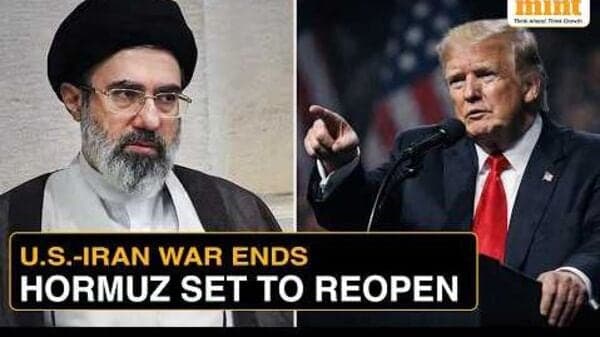
That split has made Lebanon the unresolved front line of the wider U.S.-Iran diplomatic track. President Donald Trump said the United States and Iran had reached a deal and that the Strait of Hormuz would reopen after the signing, but no public text clarified whether Lebanon was covered. Iranian officials had insisted that any lasting truce must end Israeli strikes on Hezbollah and end Israel’s presence in southern Lebanon, while Israeli officials said the agreement did not bind them to withdraw.
Israel’s defense minister, Israel Katz, said Israeli operations in Lebanon would continue for now and that displaced residents would not be allowed to return. That stance sharpened the gap between the ceasefire language and the realities inside Lebanon, where hostilities and displacement continued after the declarations. New displacement orders were issued in southern Lebanon and around Tyre, and thousands fled the southern suburbs of Beirut after Israel announced renewed strikes targeting Hezbollah militants there.
The humanitarian cost kept rising as the political track stalled. On June 5, the United Nations said a revised flash appeal sought $639.9 million to assist 1.4 million people in Lebanon through August 2026. By June 7, an estimated 1.5 million people had been displaced across the country, with more than 3,600 killed and nearly 11,100 injured since March 2. With no public agreement text and each side reading the deal differently, the most important question remained unanswered: whether the ceasefire was a bridge to de-escalation or only another pause before renewed fighting.
This article was produced by Prism’s automated news system from verified source data, official records, and press releases, then run through automated quality and moderation checks before publishing. The system is built and supervised by the people who set the standards it runs under. Read our full AI policy.
Know something we missed? Have a correction or additional information?
Submit a Tip