Trump says US and Iran reach preliminary deal to reopen Hormuz
Trump declared Hormuz “toll free” after a preliminary Iran deal, but the nuclear terms remain open and oil markets only got an initial reprieve.
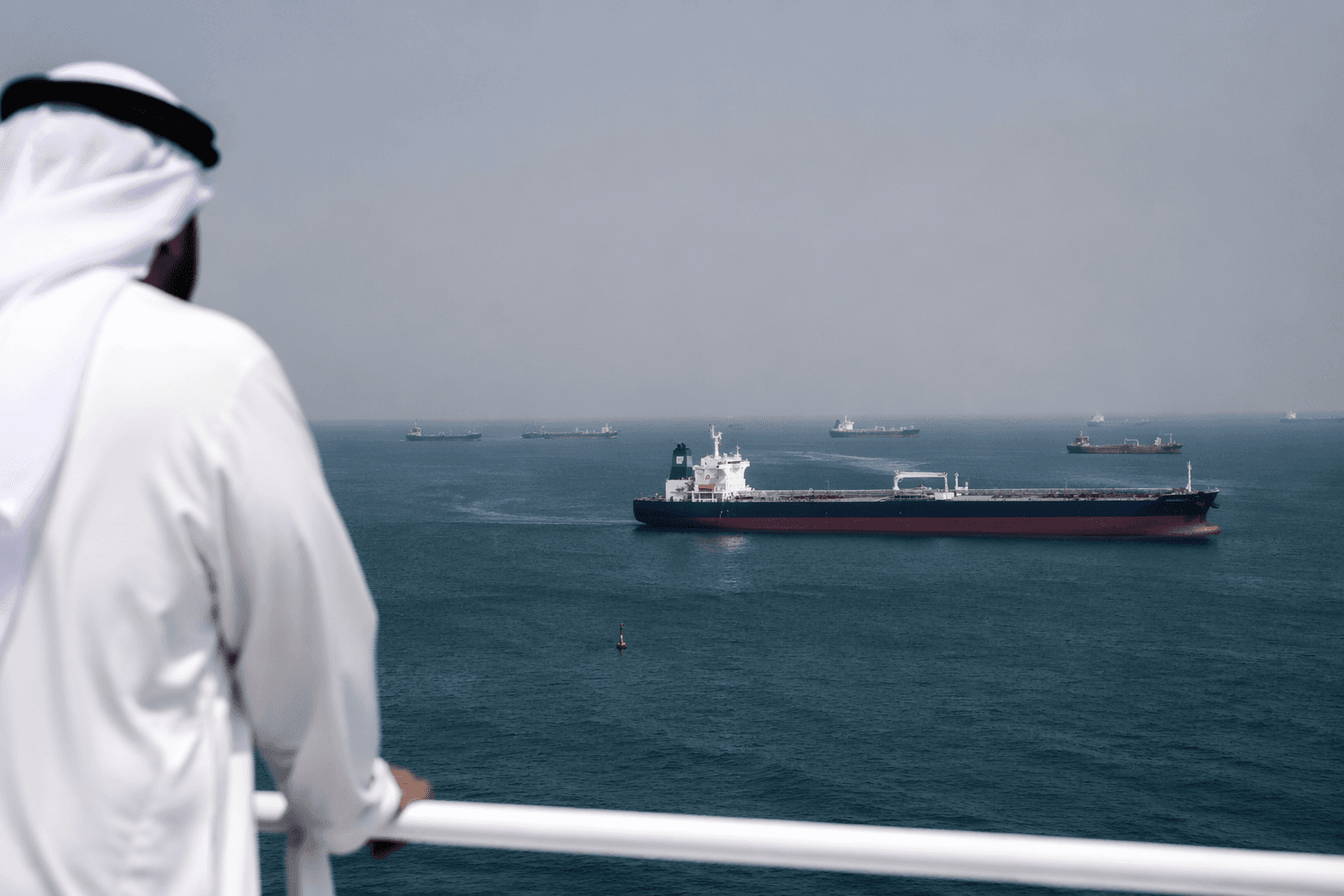
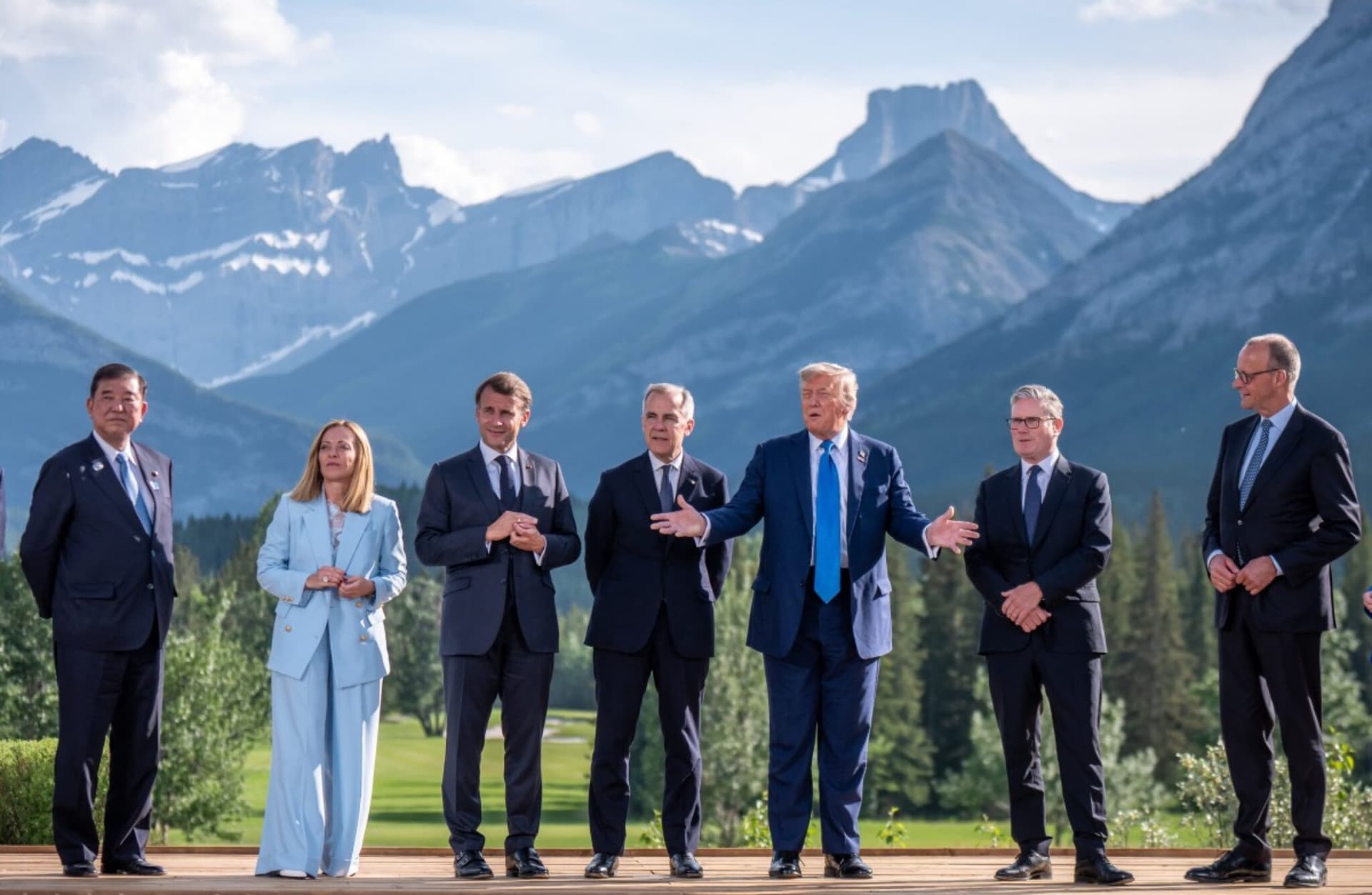
Donald Trump said the United States and Iran had reached a preliminary deal to reopen the Strait of Hormuz, but the announcement left the central question untouched: who can actually keep one of the world’s most vital shipping lanes open. Trump said on Truth Social, “The Deal with the Islamic Republic of Iran is now complete. Congratulations to all!” and said he “hereby fully authorize[s] the toll free opening of the Strait of Hormuz,” while also authorizing the immediate removal of the U.S. naval blockade.
That language sounded sweeping, but the framework described by Reuters still depended on further talks and on Iran’s willingness to stick to a final settlement. The agreement left Tehran’s nuclear program unresolved, with the two sides given 60 days to negotiate a final resolution on nuclear issues. In practical terms, that means the deal is not yet a guarantee of maritime security so much as a political pause, one that still relies on Iran, the U.S. government, and whatever regional and great-power pressure can be brought to bear.
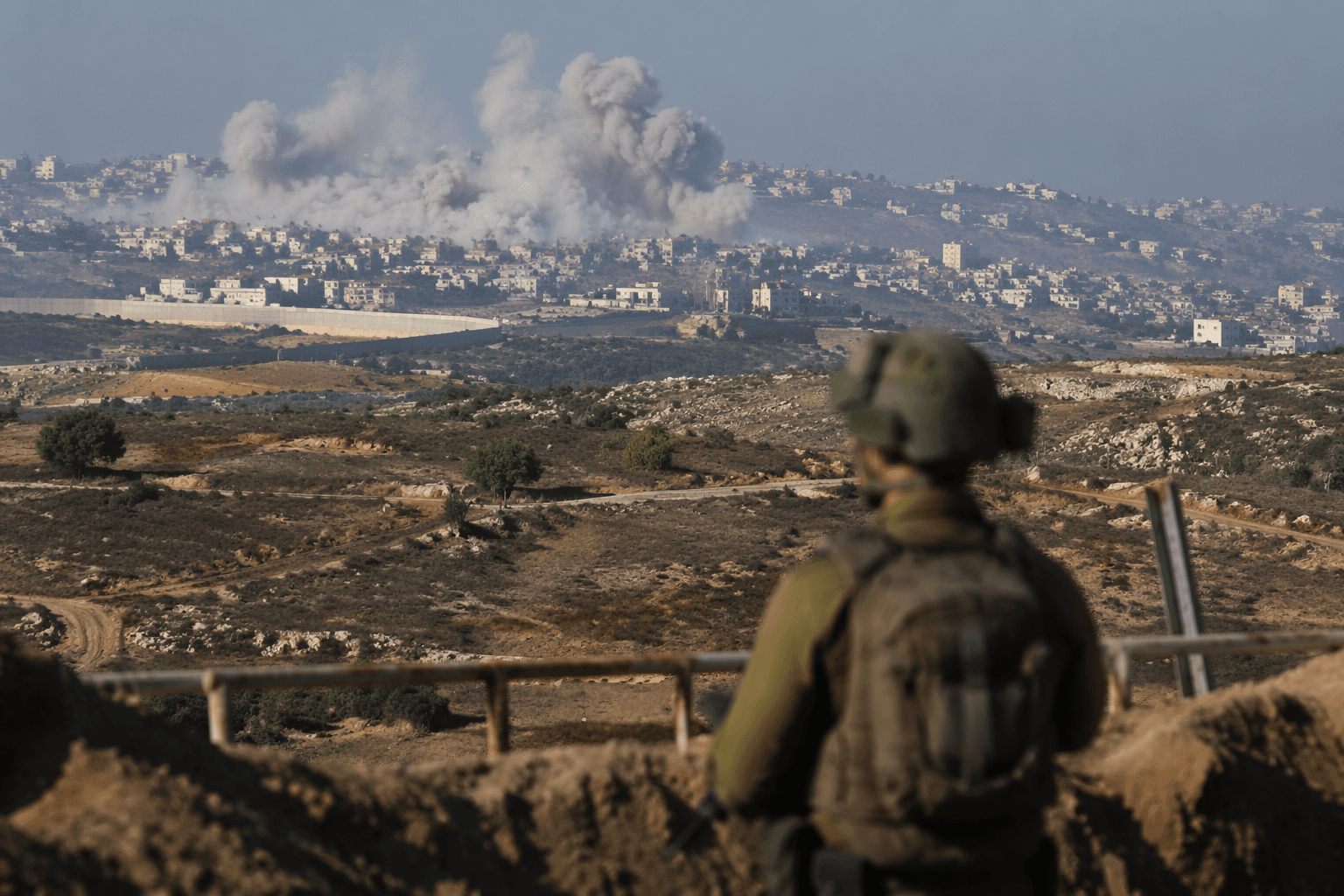
The stakes are unusually high because the Strait of Hormuz is one of the world’s most important shipping chokepoints, and the weeks of conflict that led to the announcement had already roiled the global economy. Reuters reported that the news sent oil prices falling, a sign that traders viewed even a tentative opening of the strait as meaningful relief for energy markets. The Hill said the administration framed the preliminary deal as a way to ease an energy crisis that had pushed up costs at the pump.
But the broader diplomacy remains fragile. Trump told The New York Times he would be willing to restart military attacks if the talks fail, underscoring how quickly the arrangement could revert to force. In that same call, he praised Vladimir Putin and Xi Jinping and described Benjamin Netanyahu as “a very difficult guy,” a reminder that the deal sits inside a wider contest involving Washington, Tehran, Jerusalem, Moscow and Beijing.
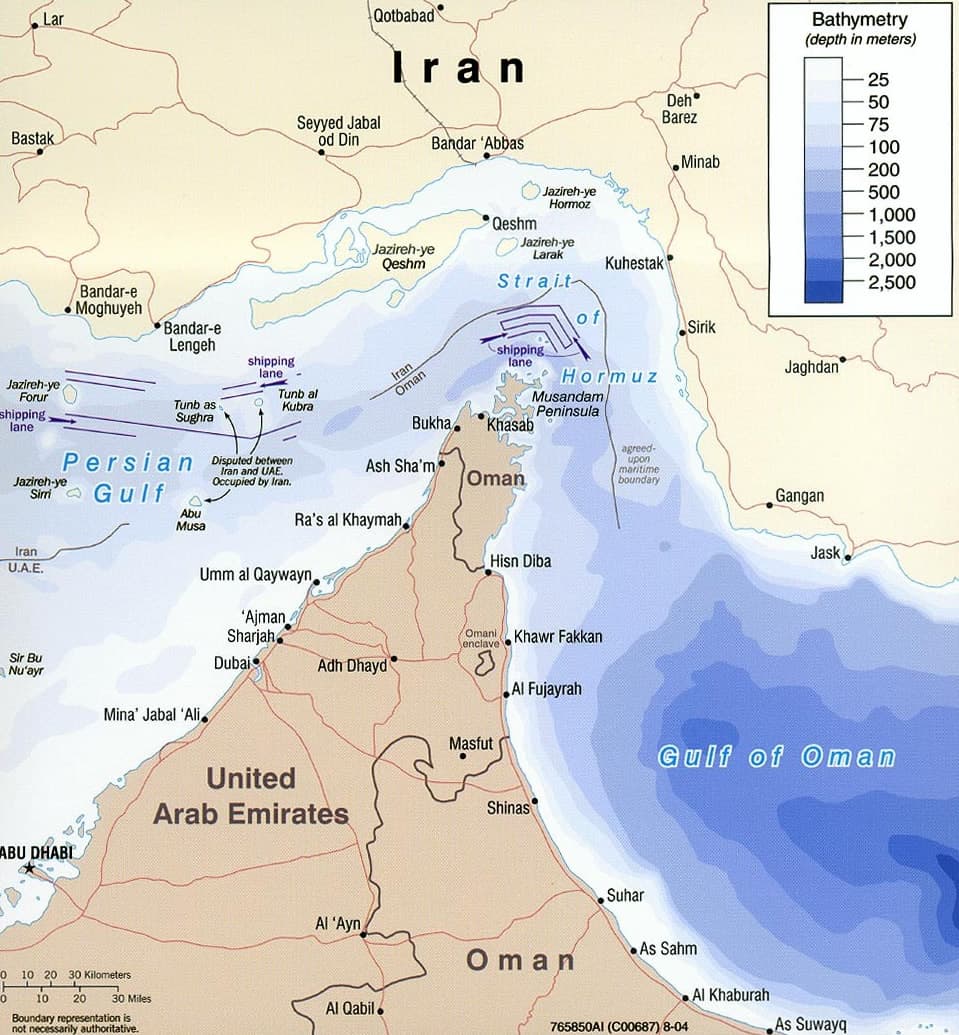
For now, the message from the White House is that the strait is open in principle. The reality is that permanent toll-free passage cannot be declared into existence by post alone. It would have to survive the next 60 days of negotiations, the unresolved nuclear file, and the hard calculations of every power that can still disrupt the corridor.
This article was produced by Prism’s automated news system from verified source data, official records, and press releases, then run through automated quality and moderation checks before publishing. The system is built and supervised by the people who set the standards it runs under. Read our full AI policy.
Know something we missed? Have a correction or additional information?
Submit a Tip