Israelis denounce Trump-Iran deal as Hezbollah fight continues
Netanyahu stayed silent as Israelis blasted Trump’s Iran framework, warning it could freeze leverage over Iran while the Hezbollah war in Lebanon continues.
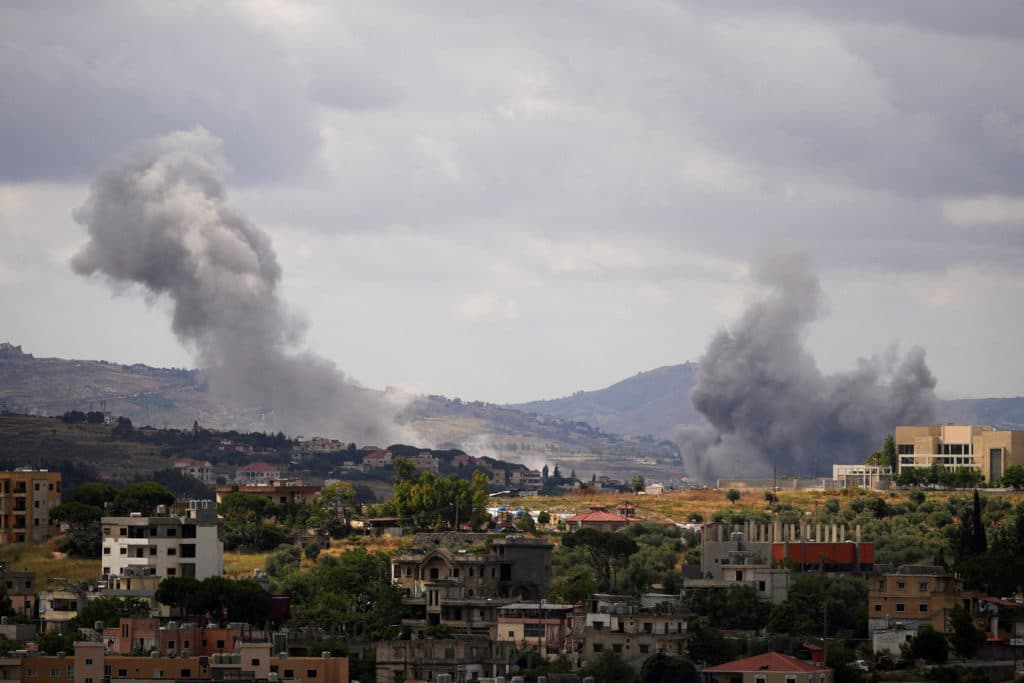
Israel’s first reaction to Donald Trump’s Iran framework exposed a split between those welcoming any pause in a widening war and those warning that Israel was being asked to trade away leverage before Tehran’s nuclear program was settled. Benjamin Netanyahu did not issue an immediate statement, but other Israelis denounced the deal and said Israel’s fight against Hezbollah in Lebanon would continue.
The agreement is only a preliminary framework. It would end the U.S. naval blockade of Iranian ports and reopen the Strait of Hormuz, a route vital to global energy flows, but it leaves Iran’s nuclear program for later negotiations. U.S. and Iranian officials said the memorandum of understanding was set to be formally signed Friday in Switzerland, and Iranian deputy foreign minister Kazem Gharibabadi said a broader accord would be worked out during a 60-day ceasefire period, including sanctions relief.
That was precisely the problem for many Israelis. Netanyahu’s office said Israel was not party to the talks, even as it praised Trump’s commitment to stop a nuclear-armed Iran. It said any final deal should require removal of enriched material, dismantling of enrichment infrastructure, limits on missile production and an end to Iran’s support for regional proxies. Trump, by contrast, said the memorandum would only “conceptually” address Iran’s nuclear material, a sign that the most sensitive issues were being deferred rather than solved.
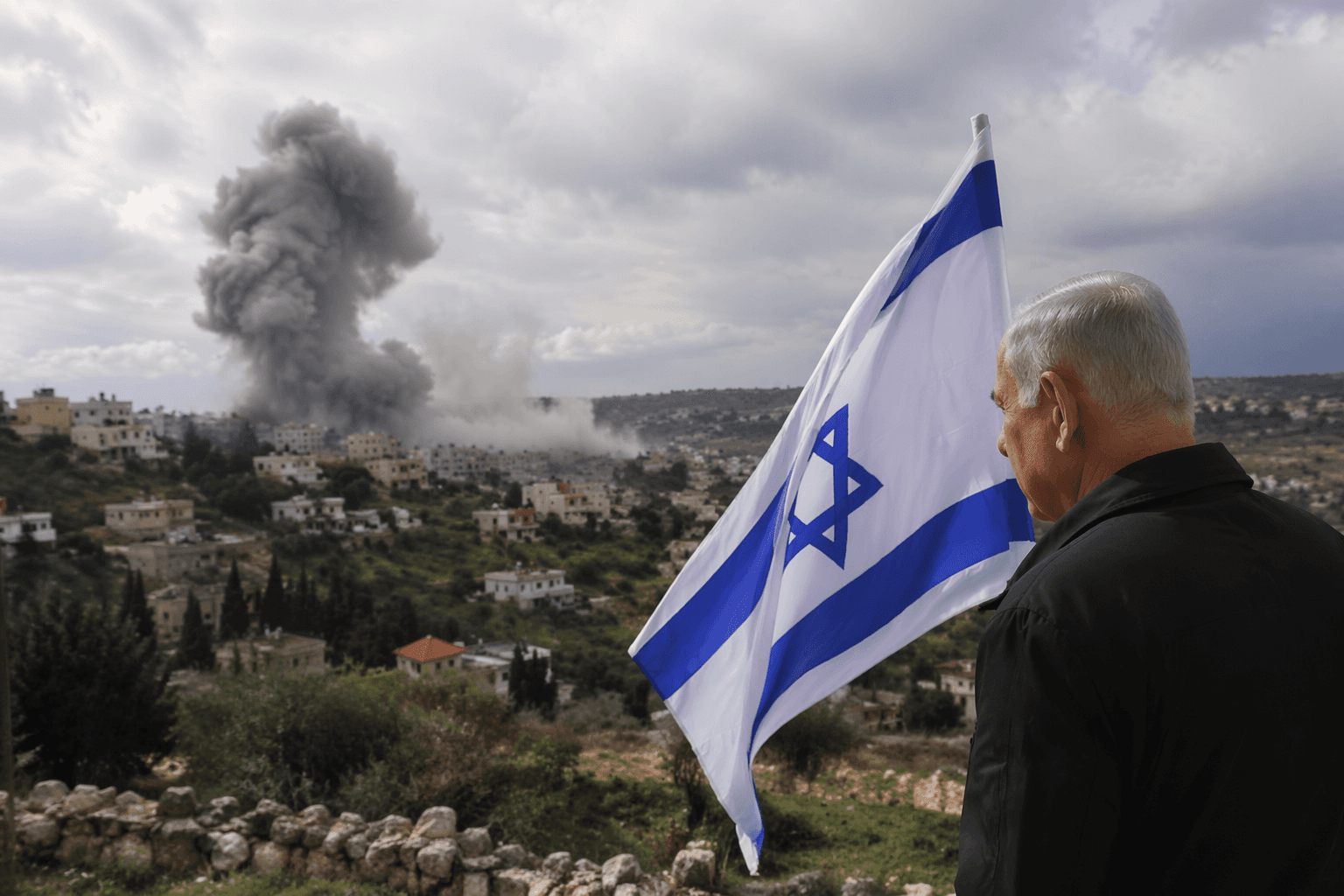
The backlash in Israel reflected more than objections to the text of the deal. It also reflected distrust of Trump’s guarantees and anxiety over losing pressure on Iran before the military balance had fully shifted. Reporting around the deal said Trump had moved away from earlier demands on ballistic missiles and support for terrorism, issues Iran says it will not discuss. For critics in Israel, that raised the risk that Washington would lock in a ceasefire while leaving Tehran’s broader military and regional ambitions intact.
The regional reading of the deal remained just as contested. Pakistan’s prime minister, Shehbaz Sharif, said the pact called for the immediate and permanent termination of military operations on all fronts, including in Lebanon. Iran’s Supreme National Security Council said war and military operations on all fronts, including Lebanon, would end permanently starting Monday night. But Reuters said the war had begun with joint U.S.-Israeli strikes on Iran in February 2026 and had already killed thousands, while Brent crude futures fell 4% in early Monday trading after the announcement. For Israel, the message was clear: the Iran deal may slow one war, but it does not settle the fight in Lebanon, or the larger question of how much leverage over Iran remains.
This article was produced by Prism’s automated news system from verified source data, official records, and press releases, then run through automated quality and moderation checks before publishing. The system is built and supervised by the people who set the standards it runs under. Read our full AI policy.
Know something we missed? Have a correction or additional information?
Submit a Tip