World leaders welcome Iran-U.S. deal to reopen Strait of Hormuz
A U.S.-Iran breakthrough sent oil prices lower as leaders rushed to reopen the Strait of Hormuz. The deal eased shipping fears but left Iran’s nuclear talks unresolved.

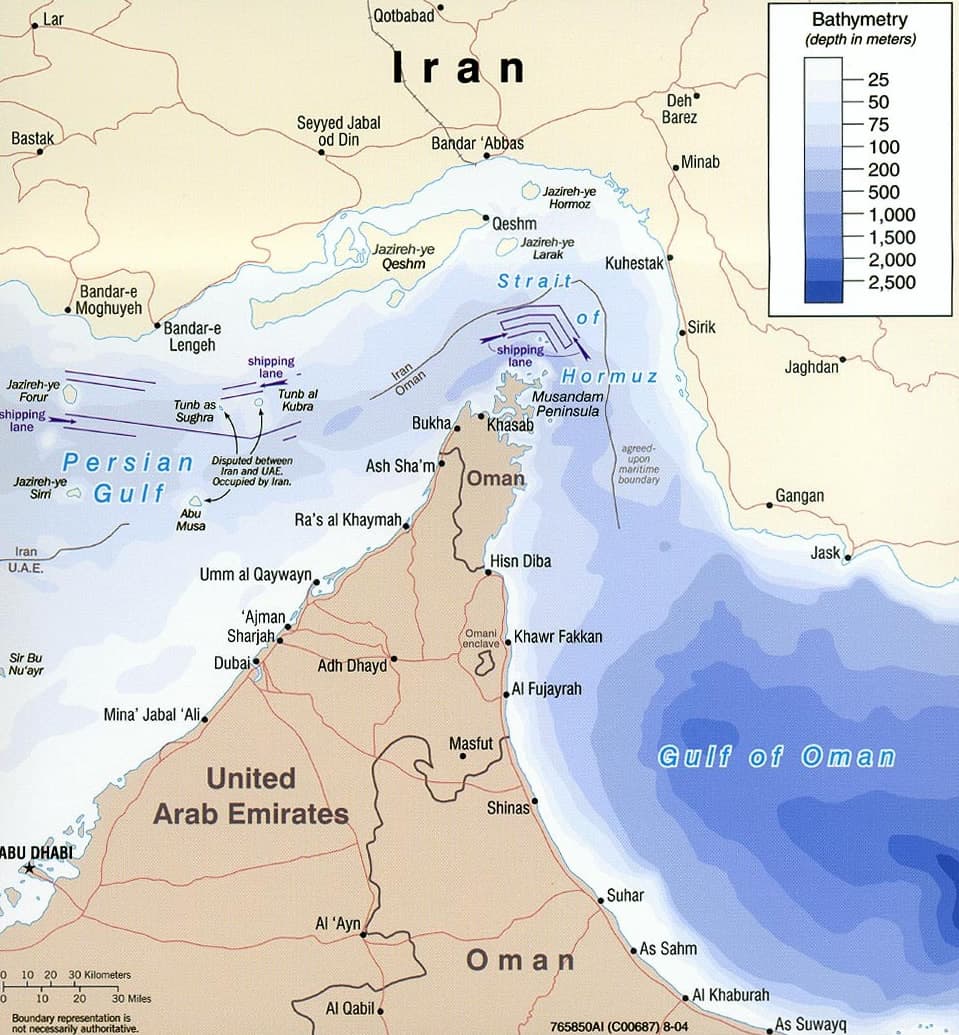
A reopened Strait of Hormuz would not just move tankers, it would move prices that reach far beyond the Persian Gulf. After the United States and Iran said they had reached a breakthrough agreement to end their war and restore shipping through the narrow waterway, governments from Europe to Asia quickly welcomed the prospect of relief for oil and gas markets that have been under strain for more than three months.
The agreement announced on June 14 promised to reopen the strategic chokepoint and extend a fragile ceasefire, with some reports saying the commitments could take effect starting Friday, June 19, and that a signing ceremony was planned in Switzerland. Even with the diplomatic momentum, major questions were left for later talks, including Iran’s nuclear program and the terms of further negotiations.
The Strait of Hormuz is one of the world’s most important arteries for energy trade, and markets reacted immediately. Reuters reporting said the preliminary pact pushed oil prices lower at once, while other reports said global stocks surged and crude fell on the news. The shift matters because cheaper crude can ease pressure on fuel prices, transport costs and inflation, especially in economies already absorbing higher import bills.
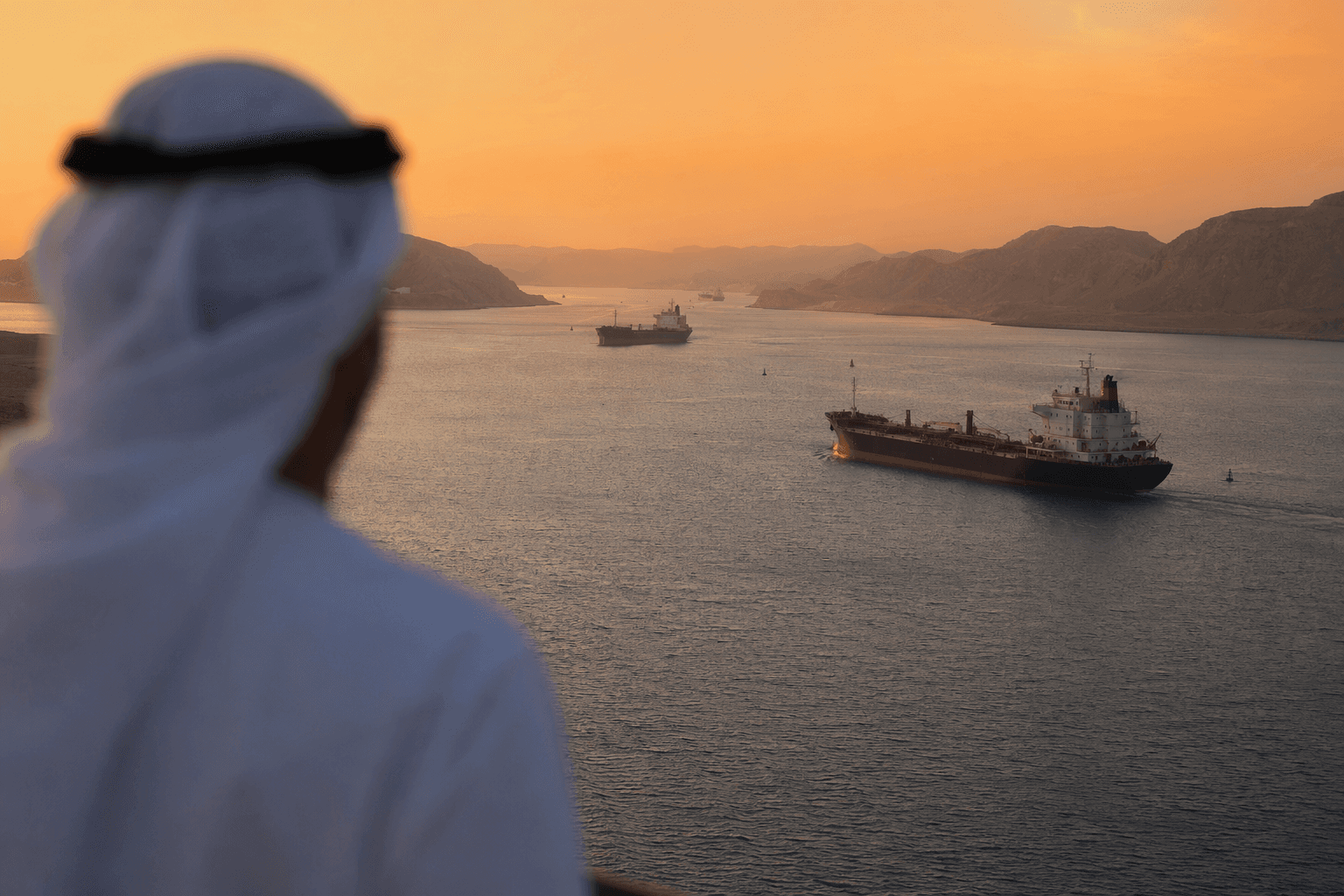
The U.S. Energy Information Administration had warned in April 2026 that a Hormuz closure and related production outages were key drivers in its Short-Term Energy Outlook. Reuters analysis before the agreement said reopening could help Saudi Arabia and other Gulf producers move more oil, but it could also weaken OPEC’s control over the market if supply floods back too quickly.
European leaders were among the first to voice support. The U.K., France, Germany and Italy welcomed the deal and urged the urgent reopening of the strait with unconditional and unrestricted freedom of navigation, while signaling they were prepared to lift sanctions if Iran took clear and verifiable steps on its nuclear program. U.K. Prime Minister Keir Starmer called the agreement a hugely important step forward in ending the war.
China’s foreign ministry also welcomed the preliminary peace deal and said it hoped the signing would proceed as scheduled. Australia said reopening the strait was essential to easing pressure on energy prices, underscoring how a chokepoint in the Gulf can shape household budgets and government planning far from the region.
For now, the breakthrough is being treated as a major diplomatic turn, but the security picture remains unfinished. Reports said full maritime normalization may still take time, with mine-clearing, infrastructure repairs and security guarantees all still unresolved, leaving the promise of calm dependent on whether the deal can survive contact with the waterway it is meant to reopen.
This article was produced by Prism’s automated news system from verified source data, official records, and press releases, then run through automated quality and moderation checks before publishing. The system is built and supervised by the people who set the standards it runs under. Read our full AI policy.
Know something we missed? Have a correction or additional information?
Submit a Tip