Gulf Coast flooding from Tropical Storm Arthur strands millions, triggers rescues
Floodwaters from Arthur trapped campers in Mississippi, swamped Louisiana homes and put 16 million people under watches as rescues raced the storm.
Floodwaters from the remnants of Tropical Storm Arthur exposed how fast Gulf Coast systems can fail when tropical rain stalls over the region. Roads turned impassable, homes filled, and emergency crews moved from warning mode to rescue mode as the first named storm of the 2026 Atlantic hurricane season spread dangerous rain across Louisiana, Mississippi and nearby states.
The National Weather Service warned of life-threatening, potentially catastrophic flash flooding along the central Gulf Coast as Arthur moved through the area. Forecasters said rain could fall at 2 to 5 inches per hour, with storm totals of 8 to 10 inches and locally as much as 12 inches. At least 16 million people were under flood watches across southern Texas, the Gulf Coast and central Mississippi, underscoring how far the threat extended beyond the storm’s center.

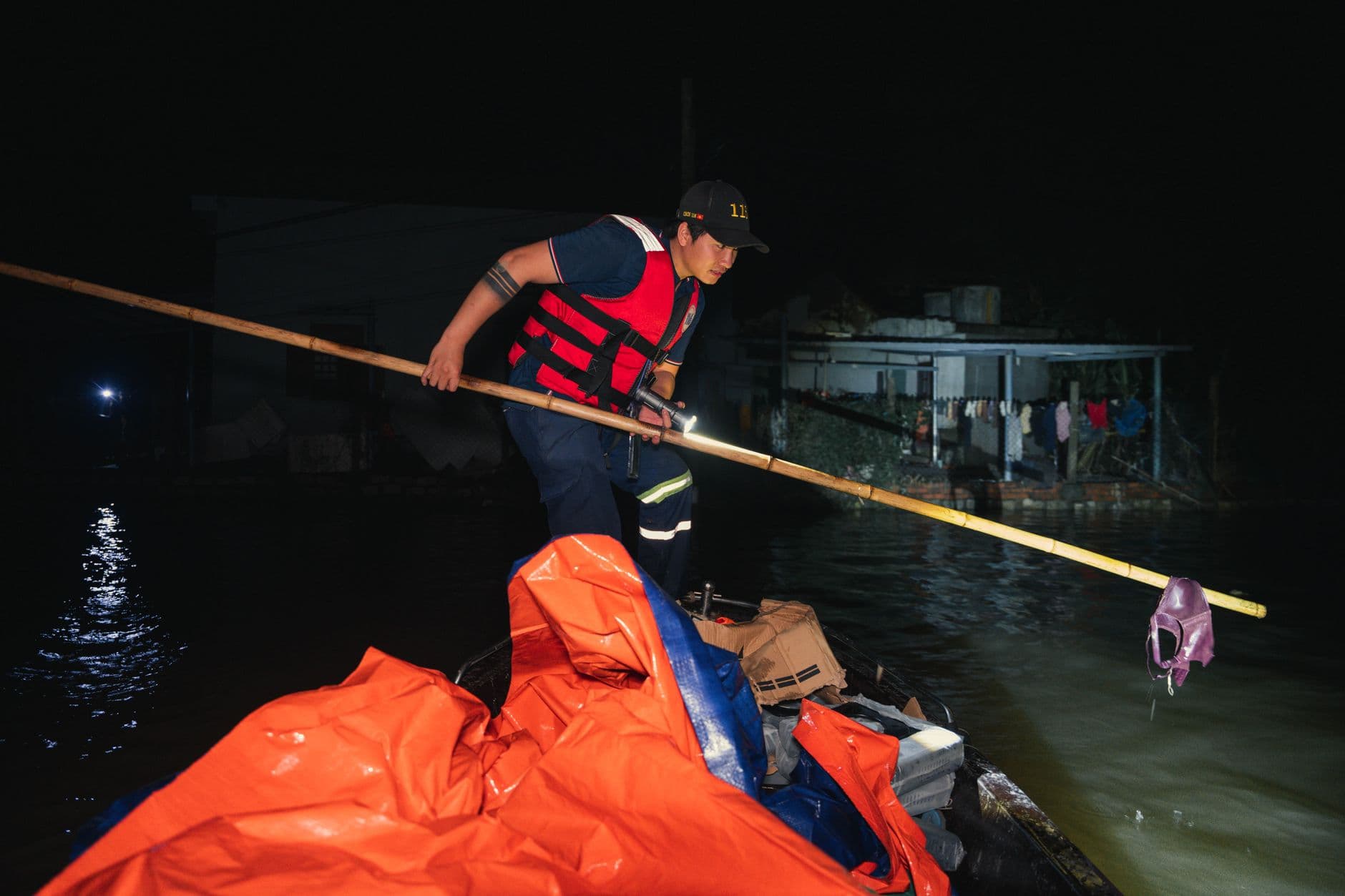
The worst damage came where the water had nowhere to go. In one rural Louisiana parish, more than 2 feet of rain fell in 48 hours, and state officials said at least 200 homes were flooded in Avoyelles Parish. In Mississippi, floodwaters trapped people at a campground near Perkinston, where rescuers used canoe paddles to break through RV windows as cars and mobile homes were washed away. By Thursday night, the Harrison County Sheriff’s Office said roughly 38 people had been rescued, with no fatalities or serious injuries reported at that point.
The storm also exposed how fragile the response chain can become when cleanup and rescue overlap. Mississippi Gov. Tate Reeves said a county road worker was killed while helping with storm cleanup operations. He also ordered precautionary evacuations for 30 homes below the Anchor Lake dam in southern Mississippi, where rising water threatened the spillways and structure. In Stone County, Nicole Jackson said she and her fiancé barely escaped before head-high floodwaters swept through their home, a reminder of how quickly low-lying neighborhoods can be overwhelmed.
By Thursday, the National Hurricane Center said Arthur’s remnants were over the southeastern United States and expected to move offshore the East Coast. On June 19, 2026, there were no tropical cyclones in the Atlantic, but the storm left behind a clear warning for Gulf Coast communities: when drainage, roads and emergency access fail at the same time, the damage spreads fast and the rescues begin before the rain even ends.
This article was produced by Prism’s automated news system from verified source data, official records, and press releases, then run through automated quality and moderation checks before publishing. The system is built and supervised by the people who set the standards it runs under. Read our full AI policy.
Did this article answer your question?