Gunmen kill at least 25 in coordinated raids on two Adamawa villages
At least 25 people are dead after gunmen attacked two villages in Adamawa State, torching homes and sending survivors fleeing; the assault highlights persistent insecurity in northeast Nigeria.
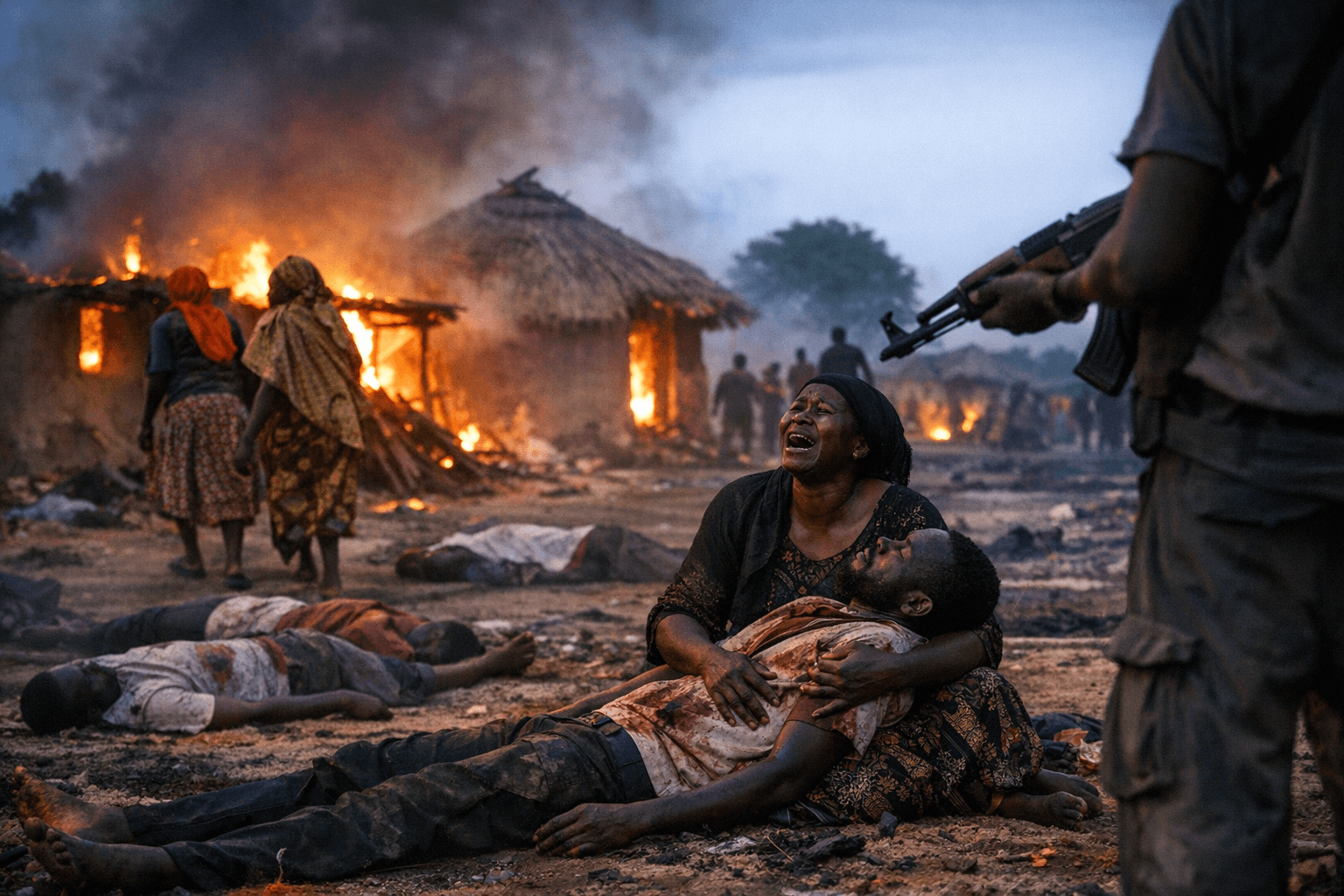
At least 25 people are killed when gunmen stage coordinated raids on two villages in Adamawa State late Tuesday, local officials say, leaving dozens of families homeless and survivors fleeing into nearby towns. The attackers moved through the settlements in quick succession, setting homes alight and leaving several residents dead at the scenes, according to local authorities.
The twin raids unfolded after dark and followed a similar pattern to prior assaults in the region: armed groups encircle communities, target houses and livestock, then withdraw before state security forces can arrive. Officials who spoke to authorities are still compiling a full casualty list and have not released the names of the villages while they search for missing residents and tend to the wounded. Hospitals in the nearest urban centers report being strained by new arrivals, though official counts of the injured remain incomplete.
The immediate human cost is sharp: families have lost shelter, savings and food stores, and survivors face urgent needs for medical care, water and shelter. Local markets that serve the affected communities are likely to be disrupted in the coming days as traders stay away and supply chains are interrupted. For an agrarian region like Adamawa, repeated attacks during the lean season can erode planting capacity and deepen food insecurity, compounding pressures on local prices and household incomes.
The attacks underscore a long-running security problem in Nigeria's northeast. Since the insurgency that began in 2009, the region has endured cycles of violence that have killed tens of thousands and displaced millions, reshaping rural economies and undermining public confidence in local protection. Analysts say Tuesday's operations reflect continued capability among armed actors to hit remote settlements despite periodic military offensives and new security initiatives.
Policy implications are immediate and fiscal. State governments will face fresh demands for emergency relief spending on shelter, health and food assistance at a time when Nigerian states are already managing tight budgets. Security responders will be pressured to improve rapid-reaction capacity and to patrol rural corridors that link villages to market towns. Recurrent violence also weighs on investor confidence in regional supply chains; firms engaged in agriculture and transportation factor security risks into pricing and route planning, which can raise costs for consumers downstream.
Humanitarian agencies are likely to expand assessments; local church and mosque networks already mobilize informal relief but lack the resources for large-scale displacement. Without a coordinated scaling up of aid and improved security, displaced households risk prolonged dependence on relief and loss of productive assets, which in turn slows local economic recovery.
Federal and state officials have not yet issued a detailed account of who carried out the attacks. Security analysts caution that until investigators secure the sites and gather forensic evidence and eyewitness testimony, attribution will remain uncertain. For now, the priority for authorities is stabilizing the affected communities, restoring access to basic services and preventing further attacks that would deepen the humanitarian and economic fallout across Adamawa’s rural areas.
This article was produced by Prism’s automated news system from verified source data, official records, and press releases, then run through automated quality and moderation checks before publishing. The system is built and supervised by the people who set the standards it runs under. Read our full AI policy.
Did this article answer your question?


