UAE funds plans for “Emirates City” housing in Israeli‑held southern Gaza
A Gaza contractor has been selected to build an Emirati‑funded housing compound in Israeli‑held southern Gaza, a move that will funnel Gulf capital into local construction and reshape reconstruction governance.
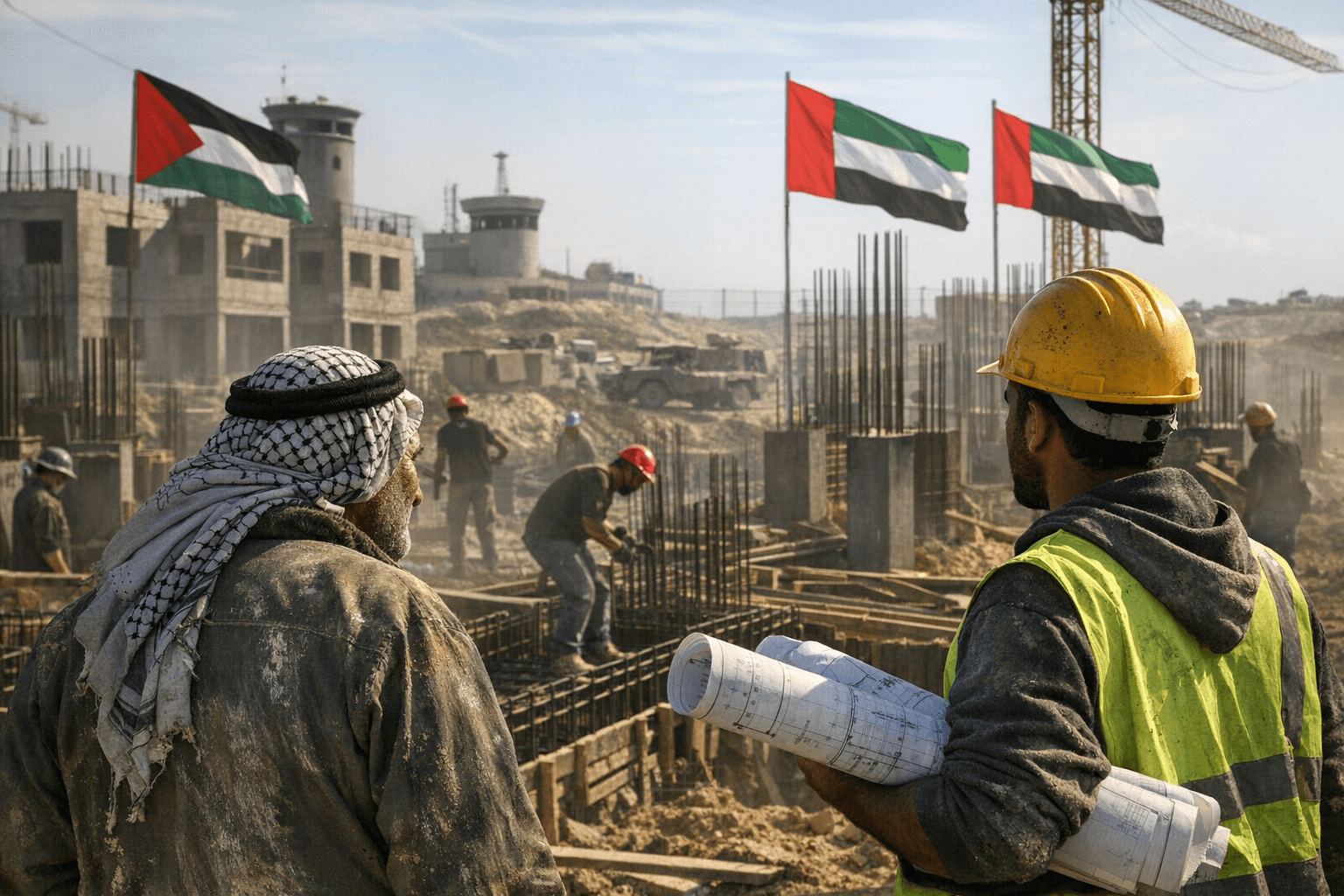
An Emirati‑funded housing compound, referred to as "Emirates City" by diplomats, is set to be built in a sector of southern Gaza currently under Israeli control, multiple sources, including two Israeli officials and two Palestinian businessmen, said. A Gaza‑based contracting firm has been tapped to execute the project, signaling a direct channel for UAE capital into Gaza's local economy and construction workforce.
The decision to appoint a Gaza firm creates an immediate operational impact: local contractors and laborers stand to receive work in an economy that has been devastated by years of conflict. International agencies and World Bank reporting before and after the 2023 conflict documented large-scale housing destruction across Gaza and unemployment rates that exceeded 40 percent, underscoring the potential scale of demand for rebuilding. Routing investment through a local firm could translate into hundreds or potentially thousands of construction jobs and related activity in materials, logistics and services if the project reaches full scale.
The project also raises questions about regulatory control and the governance of reconstruction. Because the site is in territory under Israeli authority, approvals, security arrangements and oversight will be handled by Israeli bodies. That sets up an operational chain that differs from traditional donor-led reconstruction programs coordinated through Palestinian authorities or U.N. agencies. Donor coordination, standards for contractor vetting, and channels for payments will be central management issues; international lenders and insurers routinely require clear legal frameworks and compliance checks for projects in conflict-affected areas.
For the UAE, the initiative represents a shift from aid toward direct investment in post‑conflict reconstruction. Gulf states have increasingly used sovereign and private capital to pursue regional infrastructure projects, blending diplomacy and commerce. Economically, Gulf financing could accelerate reconstruction by unlocking liquidity that multilateral donors have been slow to provide. Financial markets that serve regional construction, from concrete suppliers to equipment rentals and payment processors, could see increased demand if the compound expands into a broader program.
Politically, the deal is fraught. Channeling Emirati funds into Israeli‑held Gaza bypasses established mechanisms that the Palestinian Authority and humanitarian organizations have long sought to manage reconstruction. The arrangement may create friction with Palestinian political actors and humanitarian agencies concerned about access, beneficiary selection and long‑term governance of rebuilt areas. It could also set a precedent for other states to pursue bilateral, project‑level investments rather than multilateral coordination.
Immediate details remain unclear: the size, budget, timeline and legal form of the Emirati financing have not been disclosed by the parties cited by sources, and Israeli and Emirati officials have not issued public confirmations. What is clear is that the plan would reorient some reconstruction spending away from conventional aid channels and directly into Gaza's private sector, with tangible implications for jobs, property rights and the politics of rebuilding in a territory where control and oversight are contested.
This article was produced by Prism’s automated news system from verified source data, official records, and press releases, then run through automated quality and moderation checks before publishing. The system is built and supervised by the people who set the standards it runs under. Read our full AI policy.
Did this article answer your question?