Gunmen kill at least 25 in Honduras attacks, including six police officers
Gunmen struck a plantation and a police response in northern Honduras, leaving at least 25 dead as investigators faced a shifting body count.
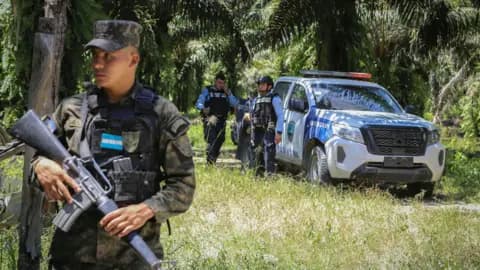
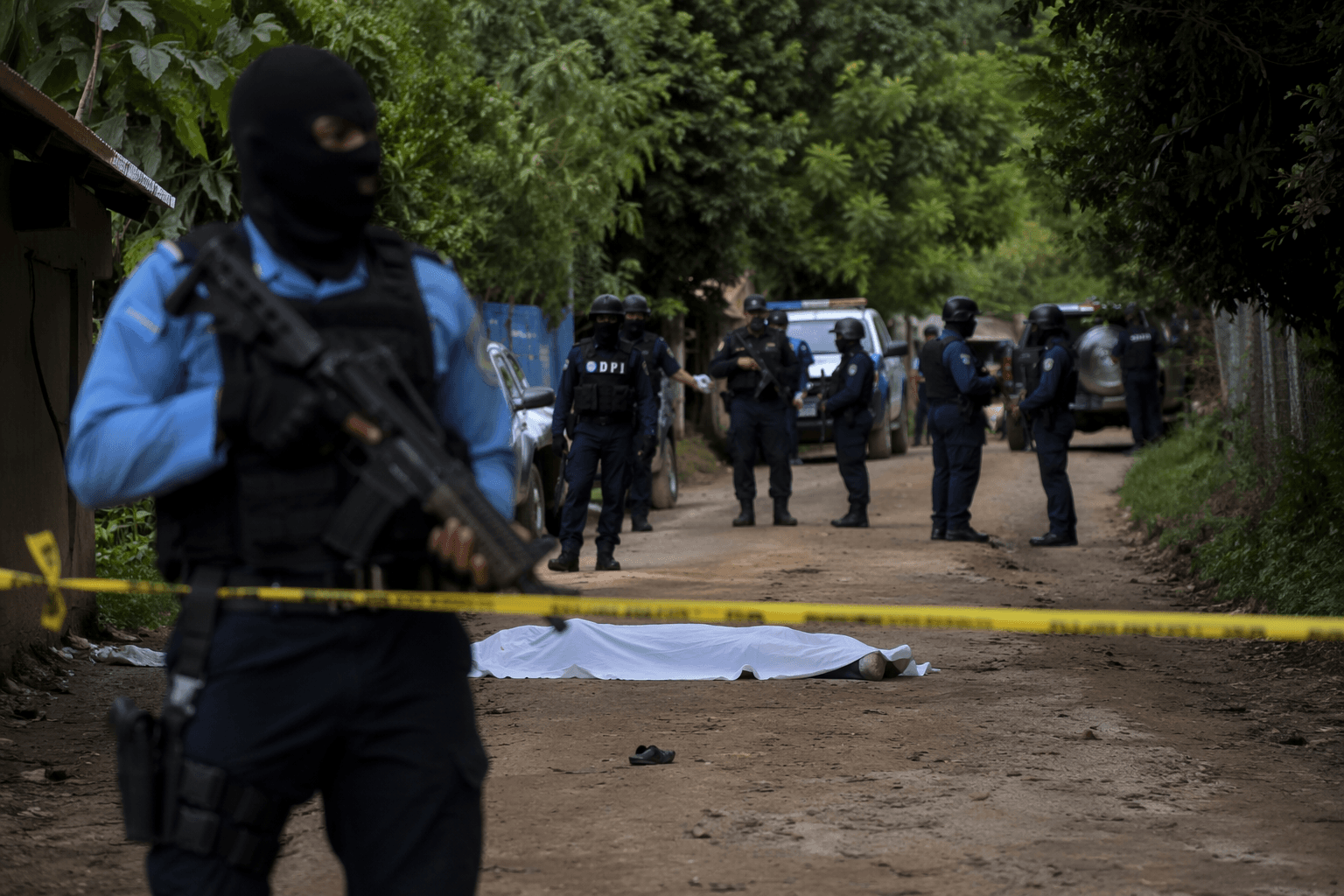
Gunmen killed at least 25 people, including six police officers, in two attacks on the Honduran coast and in the northern municipality of Trujillo, a burst of violence that exposed how little authority the state can project beyond the country’s headline cartel wars. The first attack hit a plantation or ranch in Trujillo, where officials later said at least 19 workers were shot dead. A second attack killed police officers who were responding in the same coastal and northern area.
The toll rose repeatedly as authorities revised the count, moving from at least 16 dead to at least 24 and then at least 25. National Police spokesperson Edgardo Barahona and prosecutor’s-office spokesperson Yuri Mora were among the officials identified in reporting as the death toll changed. Relatives reportedly removed some bodies before investigators arrived, complicating the effort to determine how many people died at the scene. Some reports said three sisters were among the dead.
The killings landed in a region long shaped by agrarian conflict rather than an isolated criminal outbreak. Northern Honduras, and especially the Bajo Aguán, has spent decades as a flashpoint over land, with peasant communities, farmworkers and armed actors competing over territory that was once part of an agrarian-reform zone in the 1970s and later opened further through land-market liberalization in the 1990s. The United Nations Human Rights Office has described the area as one marked by impunity, weak state presence and land dispossession, and has said land-related conflicts in Honduras directly fuel violence, displacement and migration.
That wider record helps explain why the motive for Thursday’s attacks remained unclear even as the body count climbed. Honduras remains one of the most violent countries in the region, with a homicide rate reported above 24 per 100,000 inhabitants and the second-highest in the Americas. But the Trujillo killings did not fit neatly into a cartel-only narrative; they pointed instead to the persistent overlap of land disputes, rural insecurity and a state that has struggled for years to control violence in the north.
Know something we missed? Have a correction or additional information?
Submit a Tip