Trump raises possible military intervention in Cuba after Castro indictment
Trump’s military threat against Cuba came as a 20-page indictment targeted Raúl Castro, deepening a crisis of blackouts, shortages and diplomatic risk.
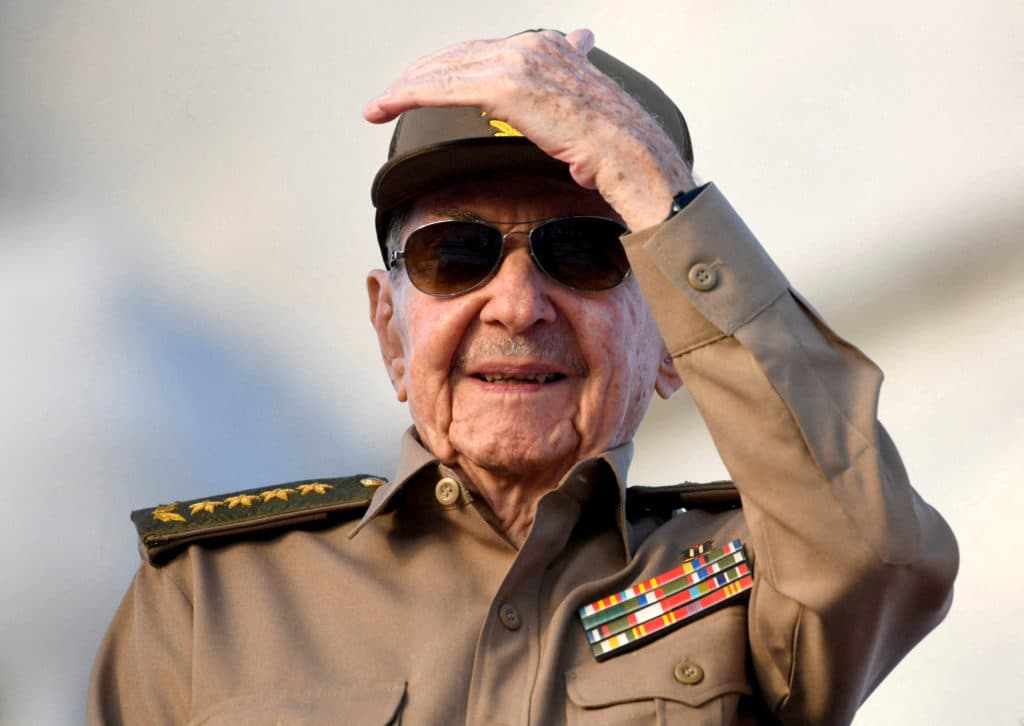
The Trump administration’s latest threat of force against Cuba collided with a criminal case that was decades in the making, and with a country already buckling under blackouts, food shortages, water disruptions and collapsing transport. The result is a stark gap between rhetoric and consequence: a renewed U.S. military posture would not be a clean show of strength, but a legal, diplomatic and humanitarian gamble with no clear endgame.
The Justice Department unsealed a 20-page indictment in Miami charging Raúl Castro and five others with conspiracy to kill U.S. nationals, destruction of aircraft and four counts of murder tied to the Feb. 24, 1996 shootdown of two Brothers to the Rescue planes. Four people died, including three Americans and one permanent resident. Acting Attorney General Todd Blanche said in Miami that the government “does not - and will not - forget its citizens,” framing the case as a long-delayed reckoning for families who have carried grief for 30 years.
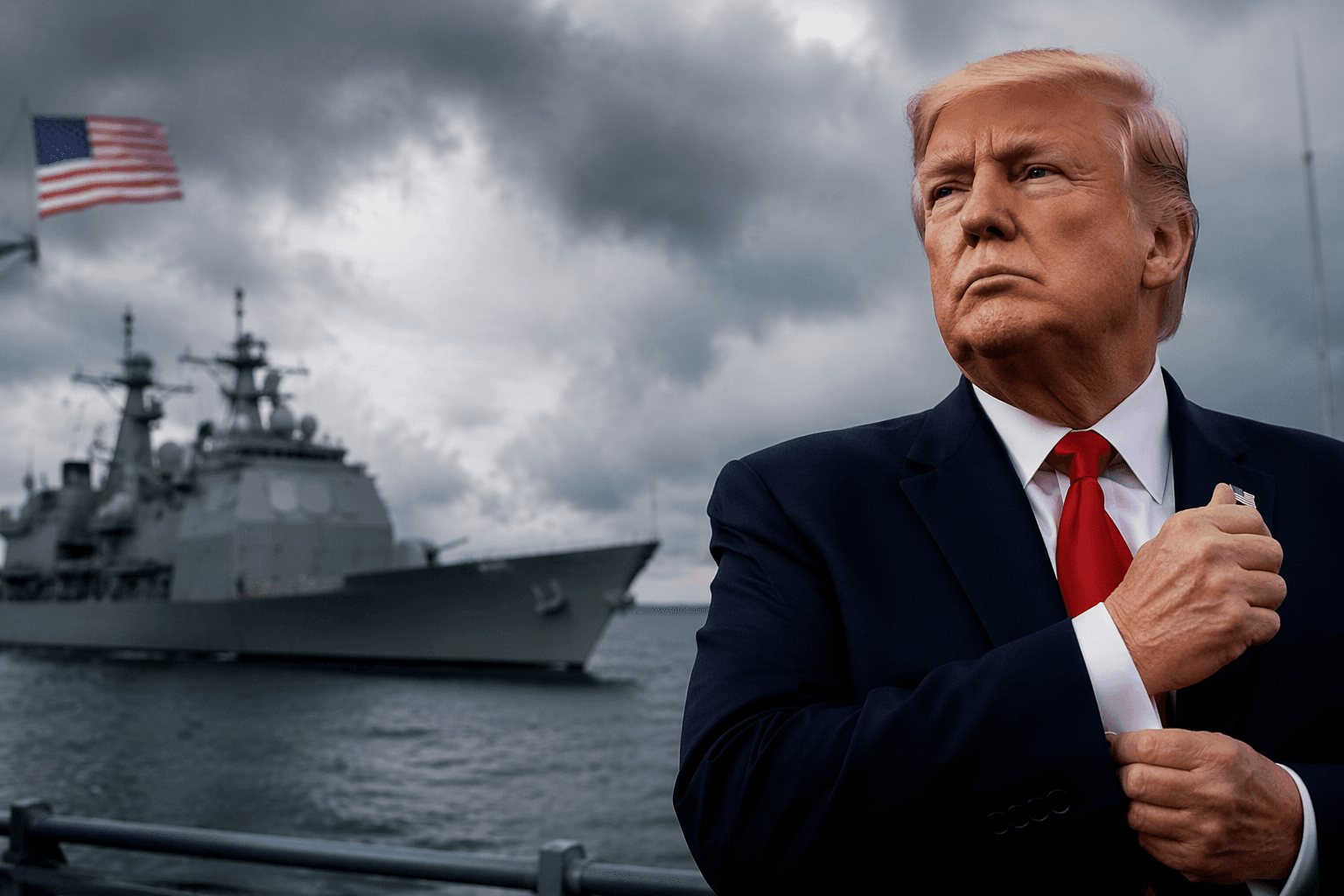
Within hours, Trump widened the stakes. He said previous presidents had considered intervening in Cuba for decades and suggested he might be the one to do it, saying, “it looks like I’ll be the one that does it.” He also floated the image of a U.S. aircraft carrier off Cuba’s coast. Yet U.S. officials said the administration was not looking at imminent military action against Havana, even as private discussions reportedly included tens of millions of dollars in humanitarian aid, two years of free Starlink internet access for Cubans, agricultural assistance and infrastructure support.
That split matters because a military threat would be far more than a political message. It would raise immediate questions about international law, congressional authority and the bounds of presidential power, while risking a confrontation in the Caribbean with uncertain limits. Cuba already faces a pressure campaign that has included sanctions, a visit by CIA Director John Ratcliffe and cuts to oil shipments from Venezuela, each of which has worsened daily life for ordinary Cubans.
Secretary of State Marco Rubio, speaking in Miami before traveling to NATO and then India, said Washington’s preference remained a peaceful negotiated agreement, but added that the odds were not high. Rubio’s skepticism carries special weight: the son of Cuban immigrants, he has long been among the administration’s hardest-line voices on Havana. Earlier this year, he testified that the United States would “love to see the regime there change” and later said Cuba must “change dramatically.”
Havana answered with alarm. Foreign Minister Bruno Rodríguez called the U.S. actions “collective punishment” and denounced “genocidal intent.” President Miguel Díaz-Canel warned that any U.S. military attack would bring a “bloodbath” with incalculable consequences for regional peace and stability. Raúl Castro, 94, remains a formidable figure in Cuban politics despite stepping down as Communist Party leader in 2021.
For Cuba, the danger is not just the threat itself but the pressure it adds to an already fraying state. Every new sanction, every fuel cut and every warlike statement pushes the island closer to deeper hardship, possible migration surges and a regional crisis that could spiral long before Washington decides what victory would look like.
Know something we missed? Have a correction or additional information?
Submit a Tip