Guterres warns of escalation after Russia vows new Kyiv strikes
Guterres warned Russia’s Kyiv threat could widen a war already hitting aid, civilians and defense production. The U.N. said one Dnipro warehouse loss alone erased more than $1 million in aid.

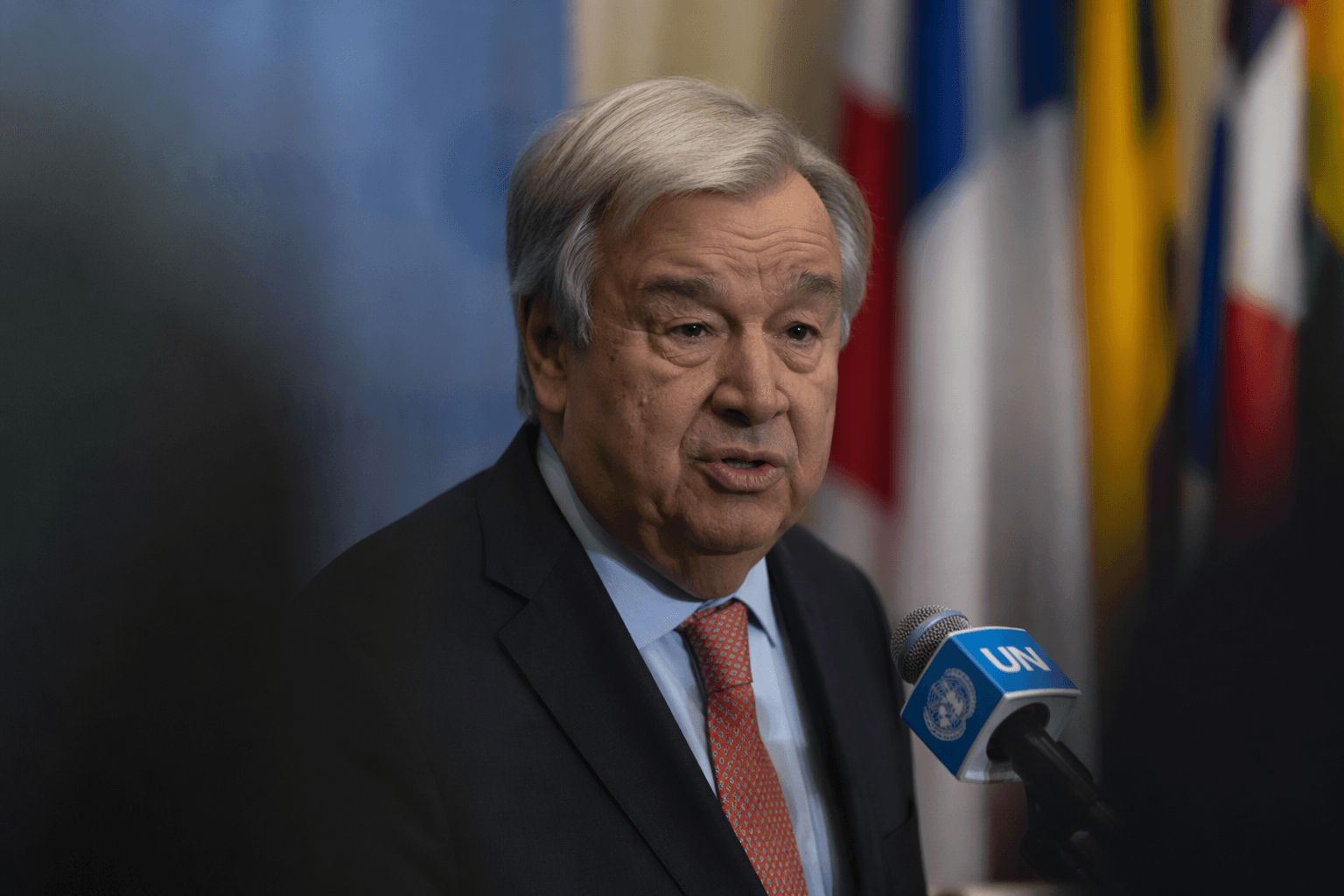
Antonio Guterres told the Security Council he was “deeply concerned” by Russia’s announcement that it planned new strikes on Ukrainian defense enterprises and decision-making centers in Kyiv, a warning delivered as Moscow signaled a fresh phase of long-range pressure on the capital. His intervention came amid one of the heaviest bombardments of Kyiv since the war began, and with no sign that the latest threats were slowing the cycle of retaliation.
Russia had requested the Council meeting after reports of an attack on a dormitory in Starobilsk, in the Luhansk region. U.N. officials said they could not confirm the details because they lacked access to the area, but they said reports indicated the strike had caused scores of civilian casualties, including children. Guterres tied his remarks to that account and said the United Nations condemned attacks on civilians and civilian infrastructure “wherever they occur.”
The human cost was also visible in Dnipro. U.N. humanitarian officials said a ballistic missile struck a UNHCR-contracted warehouse there on the night of May 19-20, killing two warehouse workers and destroying more than $1 million worth of aid. They said it was the fifth hit on humanitarian workers and assets in nine days, a pattern that has turned relief operations into another front of the war.
Russia’s threat carried a different kind of danger. On May 25, Moscow’s foreign ministry warned it would launch a “systematic” strike series against Ukrainian defense industrial facilities, including drone design and production sites, decision-making centers and headquarters in Kyiv City. The Institute for the Study of War said Russia also urged foreign citizens, diplomats and international organizations to leave Kyiv. Taken together, the threat points beyond battlefield positions and toward the factories, offices and command nodes that help Ukraine keep fighting.
That matters because attacks on defense enterprises are not only symbolic. They can slow drone production, disrupt repair and logistics chains, and force military planners to work under constant threat to the capital itself. Russia’s warning followed a May 23-24 strike that damaged government buildings and cultural sites in Kyiv, and independent reporting said Moscow then launched a three-day wave of aerial attacks from May 24 to 26, firing more than 600 drones and dozens of missiles across Ukraine. One report described the May 26 drone assault as the most extensive of the full-scale war.
The Council meeting took place during the ninth Protection of Civilians Week, a reminder that international alarm has not yet translated into deterrence. Guterres argued that avoiding escalation was now the priority, because each new strike makes a negotiated settlement harder to reach and the suffering harder to stop.
This article was produced by Prism’s automated news system from verified source data, official records, and press releases, then run through automated quality and moderation checks before publishing. The system is built and supervised by the people who set the standards it runs under. Read our full AI policy.
Know something we missed? Have a correction or additional information?
Submit a Tip