South Africa withdraws AI policy draft after fake references found
A draft meant to put South Africa at the forefront of AI policy was pulled after officials found fake references, forcing a credibility reset at Cabinet level.
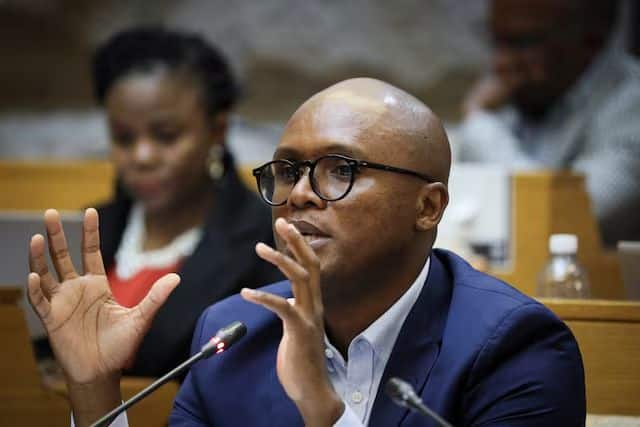
South Africa has pulled back a national artificial intelligence policy draft after officials found fictitious and potentially AI-generated references in its bibliography, turning a routine policy process into a test of government credibility. Communications Minister Solly Malatsi said the errors compromised the integrity of the document, and the department acknowledged that internal checks had failed to catch them before publication.
The withdrawal matters because the draft was meant to do far more than regulate software. Government had pitched it as a framework to spread AI’s benefits and risks more evenly across society and generations, while supporting inclusive growth, job creation and broader access to digital skills. It was built around six pillars: capacity and talent development, AI for inclusive growth and job creation, responsible governance, ethical and inclusive AI, cultural preservation and international integration, and human-centred deployment. Officials said it was also meant to guide sector-specific strategies in manufacturing, energy, infrastructure, transport and trade.
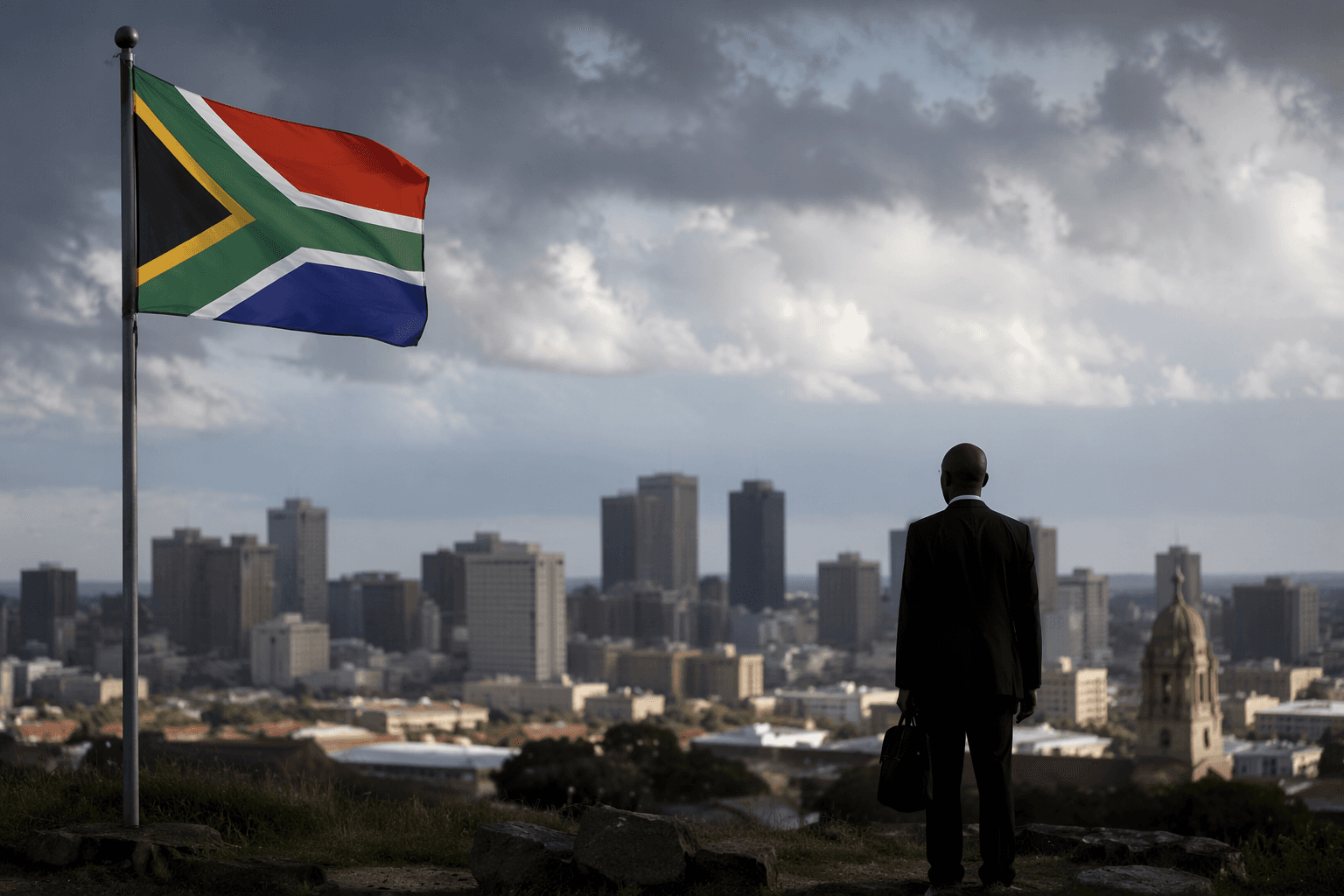
The policy’s collapse is especially awkward because the draft had already cleared Cabinet on March 25, 2026, won approval again at a special Cabinet sitting on April 1, and was published in the Government Gazette on April 10. The public was given 60 days to comment, with submissions due by June 10 at 16h00. Instead of moving smoothly toward implementation, the process now has to be rebuilt under scrutiny.
Malatsi said the most plausible explanation was that AI-generated sources had been included without proper verification. Two officials were placed on precautionary suspension while an investigation continues. In May, Malatsi told Parliament the department would enforce an internal responsible AI-use policy and review how it develops policy, a sign that the mistake reached beyond one flawed draft and into the ministry’s own working methods.
To repair the damage, the government appointed a seven-member independent expert panel chaired by Benjamin Rosman, director of Wits University’s Machine Intelligence and Neural Discovery Institute. The panel includes specialists in AI research, law and governance, and it has been tasked with stripping out flawed citations, recommending revisions and rebuilding the text with stronger evidence and broader consultation from research, industry, civil society, labour and the public sector.
The revised policy is expected to go back to Cabinet by November 2026, with public comment now expected in January 2027. The draft was always described as a roadmap rather than final law, but the episode has sharpened the stakes: a country trying to write serious AI rules must now prove that it can do so with technical competence, original thinking and public trust.
This article was produced by Prism’s automated news system from verified source data, official records, and press releases, then run through automated quality and moderation checks before publishing. The system is built and supervised by the people who set the standards it runs under. Read our full AI policy.
Know something we missed? Have a correction or additional information?
Submit a Tip