Guyana urges world court to reject Venezuela's claim over oil-rich Esequibo
Guyana brought Venezuela’s Esequibo claim to the World Court as oil output surges, turning a colonial-era border fight into a test of international law.

Guyana pressed the International Court of Justice to reject Venezuela’s claim to the oil-rich Esequibo, arguing that control of the 160,000-square-kilometer territory is central to the country’s peace, security and development. The case opened at the Peace Palace in The Hague as both sides prepared for a week of hearings in a dispute that now reaches far beyond a remote frontier.
The contested region, which Guyana says accounts for about two-thirds of its landmass, has long been tied to colonial-era boundary lines. The court’s case centers on the legal validity and binding effect of the 3 October 1899 arbitral award, which granted Venezuela the Orinoco River mouth and land on either side while assigning the land east of the Essequibo River to then-British Guiana. In its 18 December 2020 judgment, the court said it had jurisdiction to hear Guyana’s claim over the award’s validity and the definitive settlement of the land boundary dispute.
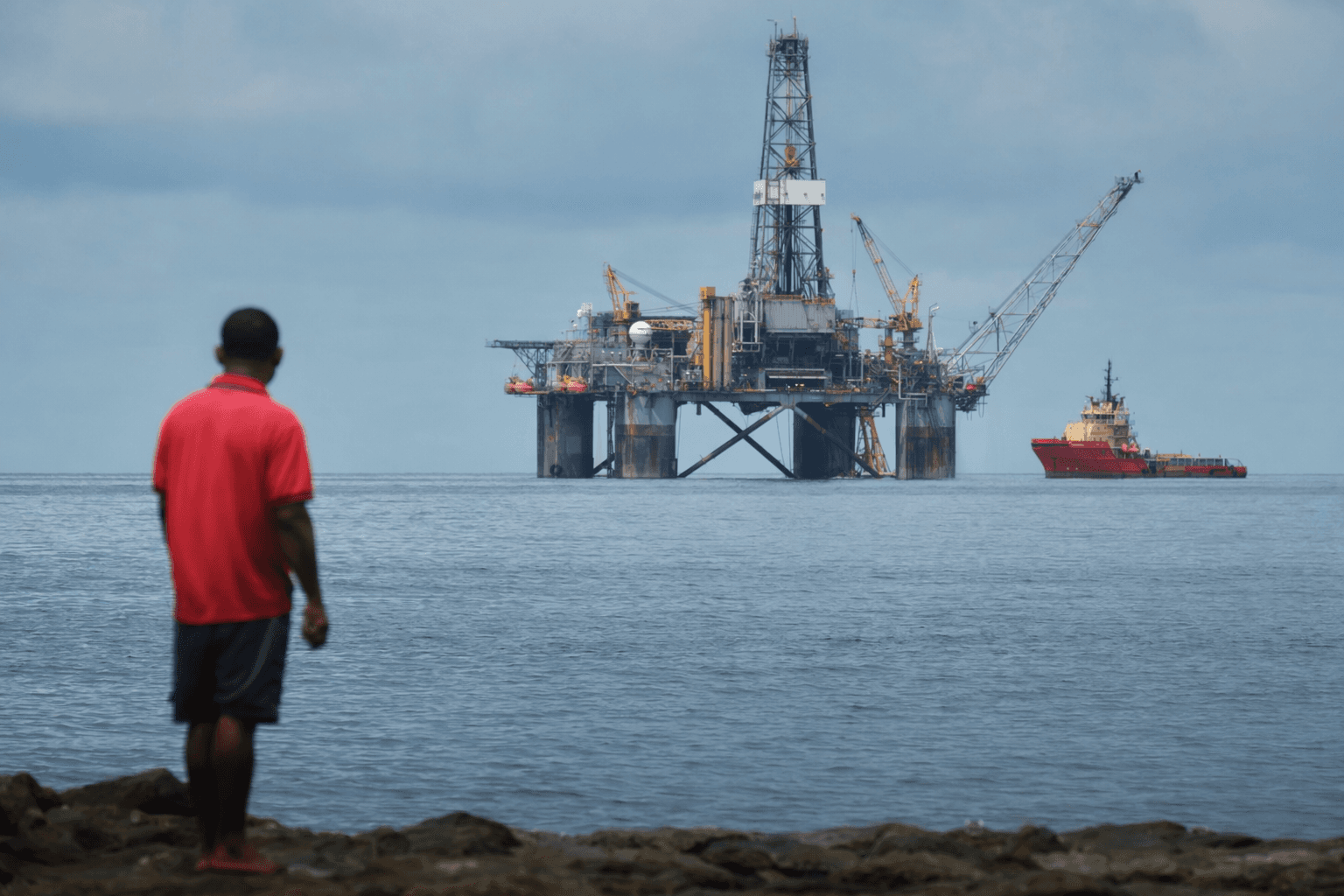
Guyana’s government says the stakes have changed dramatically as offshore oil discoveries and new production have transformed the region into a pillar of national wealth. ExxonMobil said in November 2025 that output in Guyana’s Stabroek block had reached 900,000 barrels of oil per day, with capacity from eight developments expected to rise to 1.7 million barrels per day by 2030. That boom has made the border dispute more than a cartographic argument: it is now a fight over energy revenue, investment certainty and the future development of communities tied to the disputed territory.
Venezuela has taken the opposite position, saying it does not recognize the court’s jurisdiction and insisting the matter should be settled through direct negotiations. The tension escalated after Venezuela’s 3 December 2023 consultative referendum, when officials said voters overwhelmingly backed rejecting the 1899 award, rejecting the court’s authority, supporting the 1966 Geneva Agreement as the only valid settlement framework and creating the state of Guayana Esequiba. Official results reported about 10,070,255 yes votes, or 96.37 percent, for the new state question and 98.00 percent support for rejecting the arbitral decision.
For Guyana, the case is about more than a border line. The government says Venezuela’s claim threatens a territory that includes long-unresolved frontier lands, offshore oil prospects and a population whose prospects depend on whether the World Court can still settle sovereignty disputes when natural resources and national identity collide.
This article was produced by Prism’s automated news system from verified source data, official records, and press releases, then run through automated quality and moderation checks before publishing. The system is built and supervised by the people who set the standards it runs under. Read our full AI policy.
Did this article answer your question?


