Maersk vessel exits Strait of Hormuz under US military protection
A Maersk vehicle carrier slipped through Hormuz with US escorts as Iran’s attacks on the UAE fueled fears for shipping, oil and insurers.
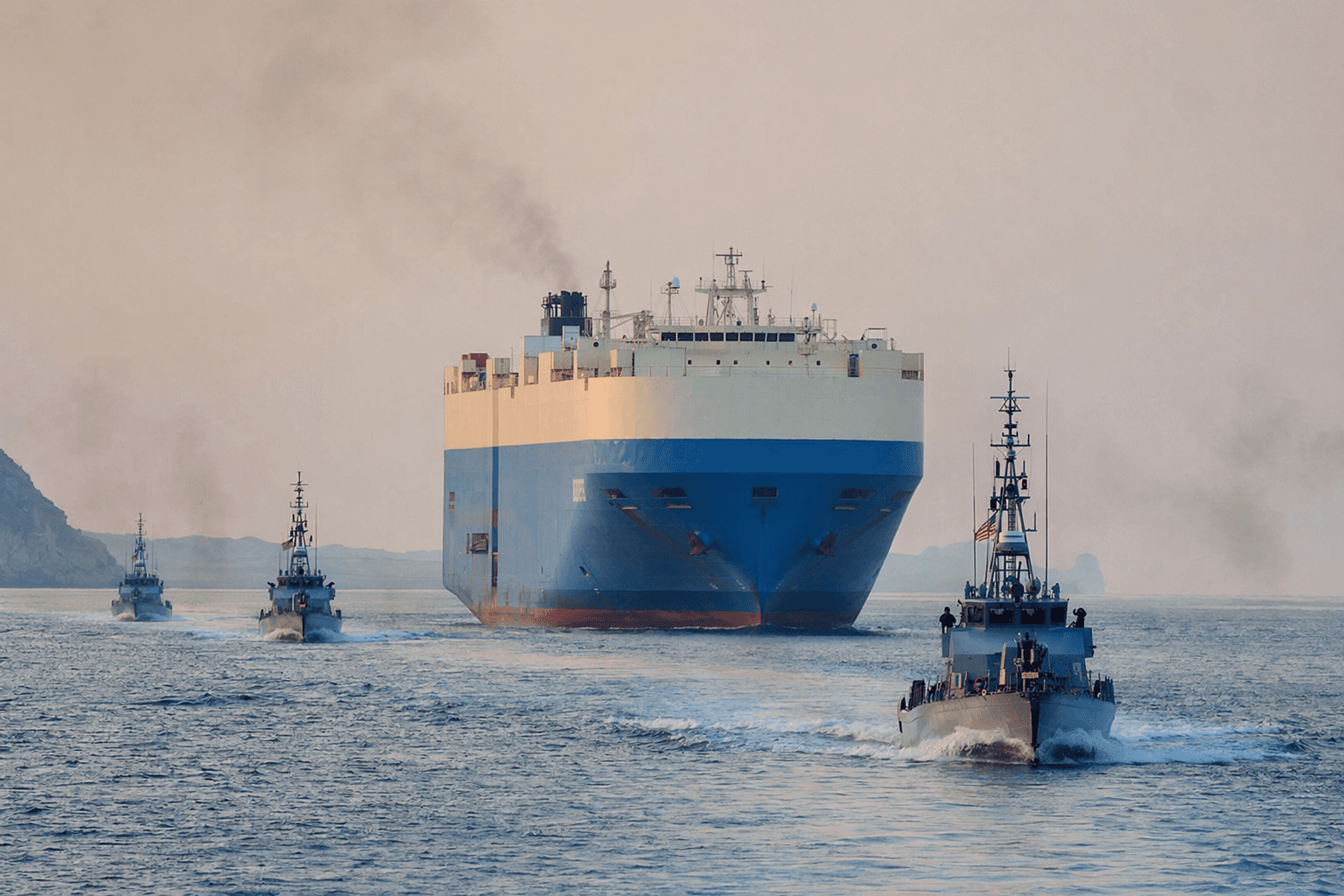
A Maersk vehicle carrier slipped out of the Gulf through the Strait of Hormuz under U.S. military protection, a sign that Washington has begun actively escorting commercial traffic through the world’s most sensitive energy chokepoint as fighting with Iran threatens shipping lanes and global fuel markets.
Maersk said the vessel was the Alliance Fairfax, a U.S.-flagged car carrier operated by its Farrell Lines subsidiary. The transit was completed without incident and all crew members were safe and unharmed. U.S. Central Command said the voyage was part of a new effort called Project Freedom, which began on May 4, 2026, and that two U.S.-flagged merchant vessels had successfully crossed the strait as the first step in the operation.
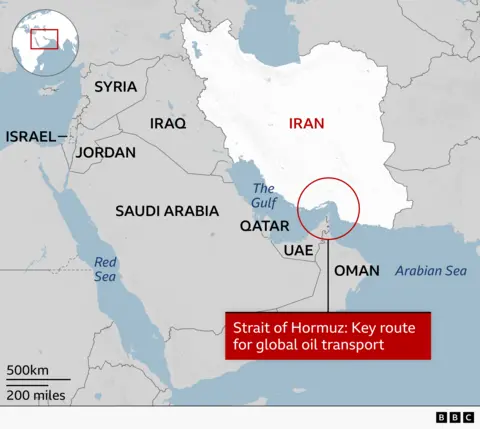
The stakes are hard to overstate. The Strait of Hormuz carried about 20 million barrels per day of crude oil and oil products in 2025, roughly one-fifth of global petroleum liquids consumption. At its narrowest point, the waterway is only 29 nautical miles wide, with shipping lanes just two miles across. That makes even a short disruption enough to rattle oil prices, raise freight costs and force insurers to rethink what is coverable.
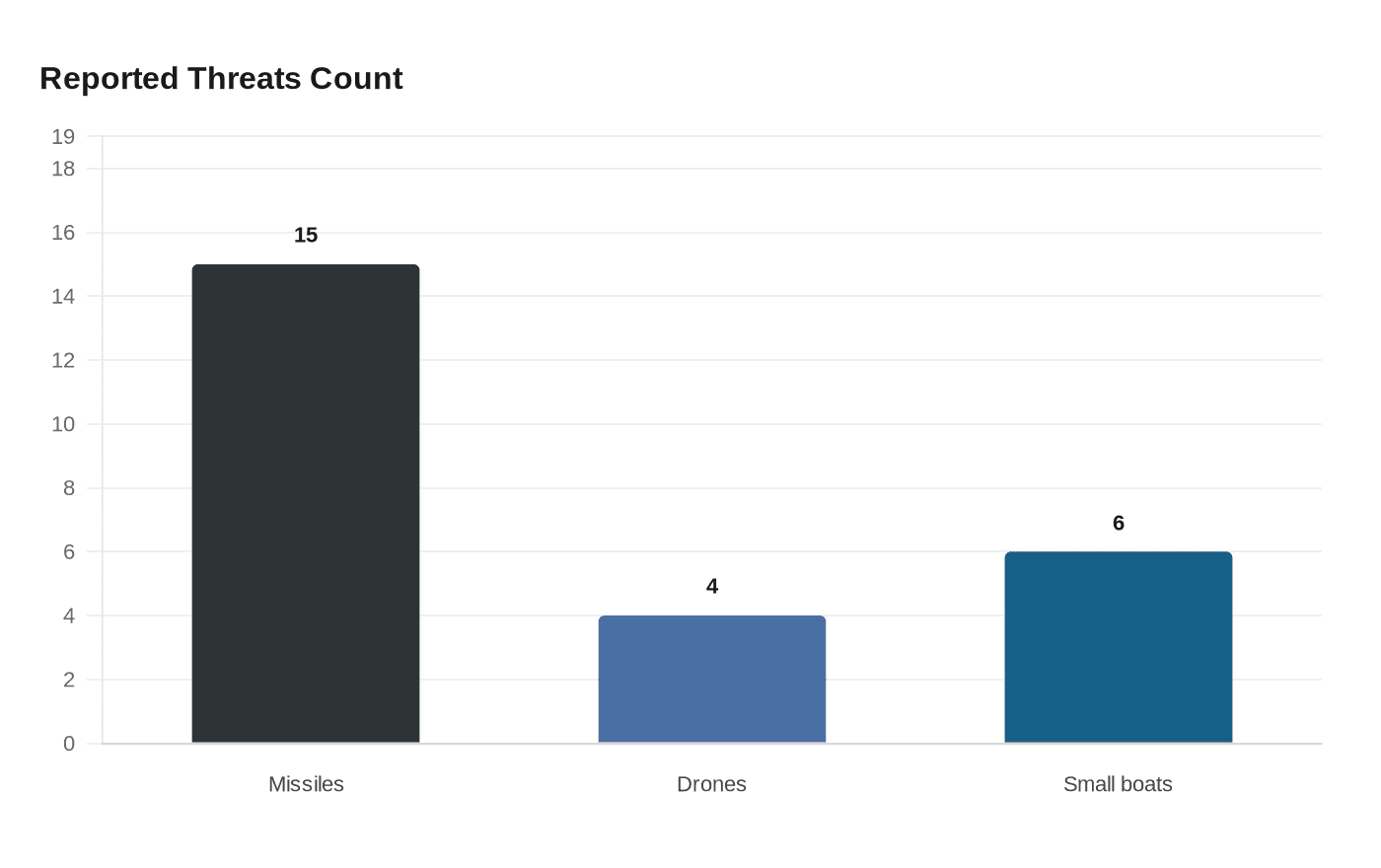
The military move came after the United Arab Emirates said Iran launched missiles and drones on Monday, the first reported attack on the UAE since a fragile ceasefire took hold in early April. UAE air defenses intercepted 15 missiles and four drones, officials said, while one drone struck a key oil facility in Fujairah and injured three Indian nationals. The British military also reported two cargo vessels ablaze off the UAE, underscoring how quickly the conflict spread beyond a single battlefield.
Adm. Brad Cooper, the U.S. Central Command commander, said American forces had opened a passage through the strait free of Iranian mines and that U.S. helicopters sank six small boats after Iran launched cruise missiles, drones and small boats at civilian ships under U.S. protection. The U.S.-led Joint Maritime Information Center told ships to cross in Oman’s waters and said it had established an enhanced security area.
For shipping companies and insurers, the calculus has shifted from caution to active military cover. Reuters reporting said the Alliance Fairfax had been stranded in the Gulf since the strait effectively closed in early March, a reminder that dozens of ships can be trapped when Hormuz becomes a battlefield. Donald Trump warned that any Iranian attempt to block passage would be met forcefully, and later said a South Korean cargo ship had also come under fire. For global markets, the message was plain: as long as Hormuz remains unstable, the risk reaches far beyond the Gulf and straight into energy bills paid by American consumers.
This article was produced by Prism’s automated news system from verified source data, official records, and press releases, then run through automated quality and moderation checks before publishing. The system is built and supervised by the people who set the standards it runs under. Read our full AI policy.
Did this article answer your question?