UAE Says Iran Launched New Missile and Drone Attack, Tensions Rise
UAE forces said they intercepted 15 missiles and four drones as Iran hit the Gulf again, reviving fears that one strike on shipping could pull in the U.S. and Gulf states.

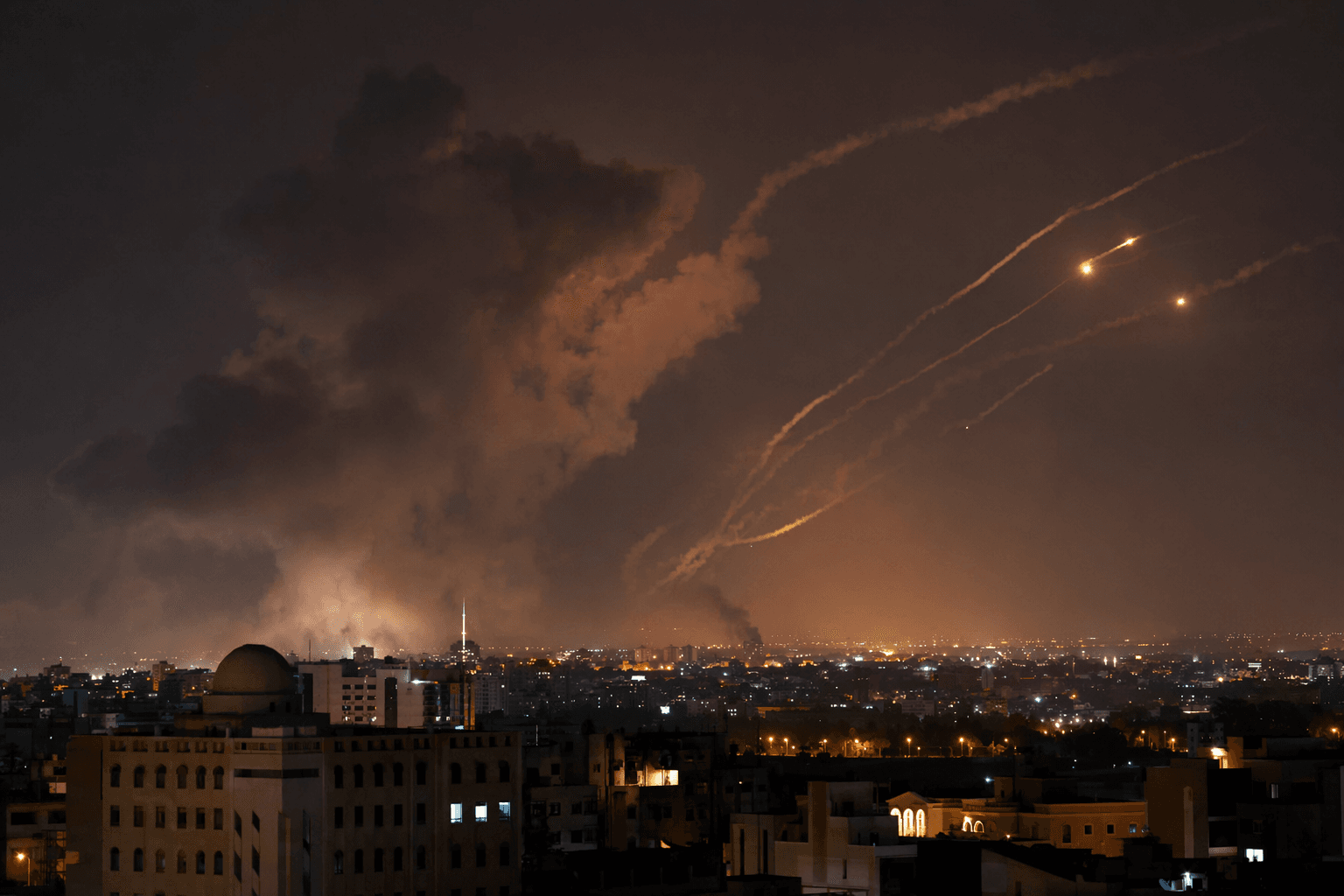
The United Arab Emirates said Iran carried out its first missile-and-drone attack on Emirati territory since the April 8 ceasefire, a sharp sign that the Gulf truce was under pressure again as missiles, drones and shipping lanes became the next point of risk. UAE authorities said they intercepted 15 missiles and four drones, while Iranian fire also targeted ships in the Strait of Hormuz, where even a single hit on a commercial vessel could widen the crisis in hours.
The immediate danger was not only the attack itself but the chain it set off. The U.S. military said two commercial vessels safely transited the Strait of Hormuz on Monday under Project Freedom, a signal that Washington was trying to keep traffic moving through one of the world’s most sensitive chokepoints. President Donald Trump said U.S. forces destroyed seven Iranian small boats after they tried to interfere, raising the prospect that a clash at sea could quickly become a direct U.S.-Iran confrontation if either side believes its ships are being threatened.
Iran’s foreign minister, Abbas Araghchi, tried to pull the conflict back from that edge. He said there was no military solution to the crisis and that talks were making progress. He also warned the United States and the United Arab Emirates against being drawn into a “quagmire by ill-wishers.” Trump took the opposite tone, saying the United States was in a “mini war,” and told Fox News that Iran would be “blown off the face of the Earth” if U.S. vessels were attacked.
The stakes are higher because the current war has already shown how quickly regional violence can spread. The conflict began with U.S. and Israeli strikes on Iran on February 28, 2026, which killed Ayatollah Ali Khamenei, the IRGC commander and Iran’s defense minister, after earlier Israeli strikes began on June 13, 2025, and a U.S. strike hit Fordow, Natanz and Esfahan on June 21, 2025. Iran then retaliated across the region, and disruptions in the Strait of Hormuz rippled through global energy markets, creating fuel shortages in parts of Asia.
That history is why Monday’s attack mattered beyond the intercept count. If the next round of fire hits a ship, a U.S. vessel or a Gulf target, the ceasefire could unravel into a broader regional crisis before diplomacy has time to hold.
This article was produced by Prism’s automated news system from verified source data, official records, and press releases, then run through automated quality and moderation checks before publishing. The system is built and supervised by the people who set the standards it runs under. Read our full AI policy.
Did this article answer your question?