US revokes visas of La Nación board members, sparking press freedom concerns
U.S. visa cancellations for La Nación board members deepened fears that immigration power is being used to punish a critical newsroom.
Visa cancellations for several board executives at La Nación have pushed a long-running clash between Costa Rica’s most influential newspaper and the government into a sharper diplomatic conflict, raising questions about whether Washington is enforcing entry rules or sending a political warning.
La Nación said the affected board members first learned they had lost their U.S. tourist visas from pro-government media, not from U.S. authorities, and the newspaper said no official reason was given. The move landed in a country that has long promoted itself as a democratic exception in Central America and immediately drew concern from opposition figures and press-freedom groups.
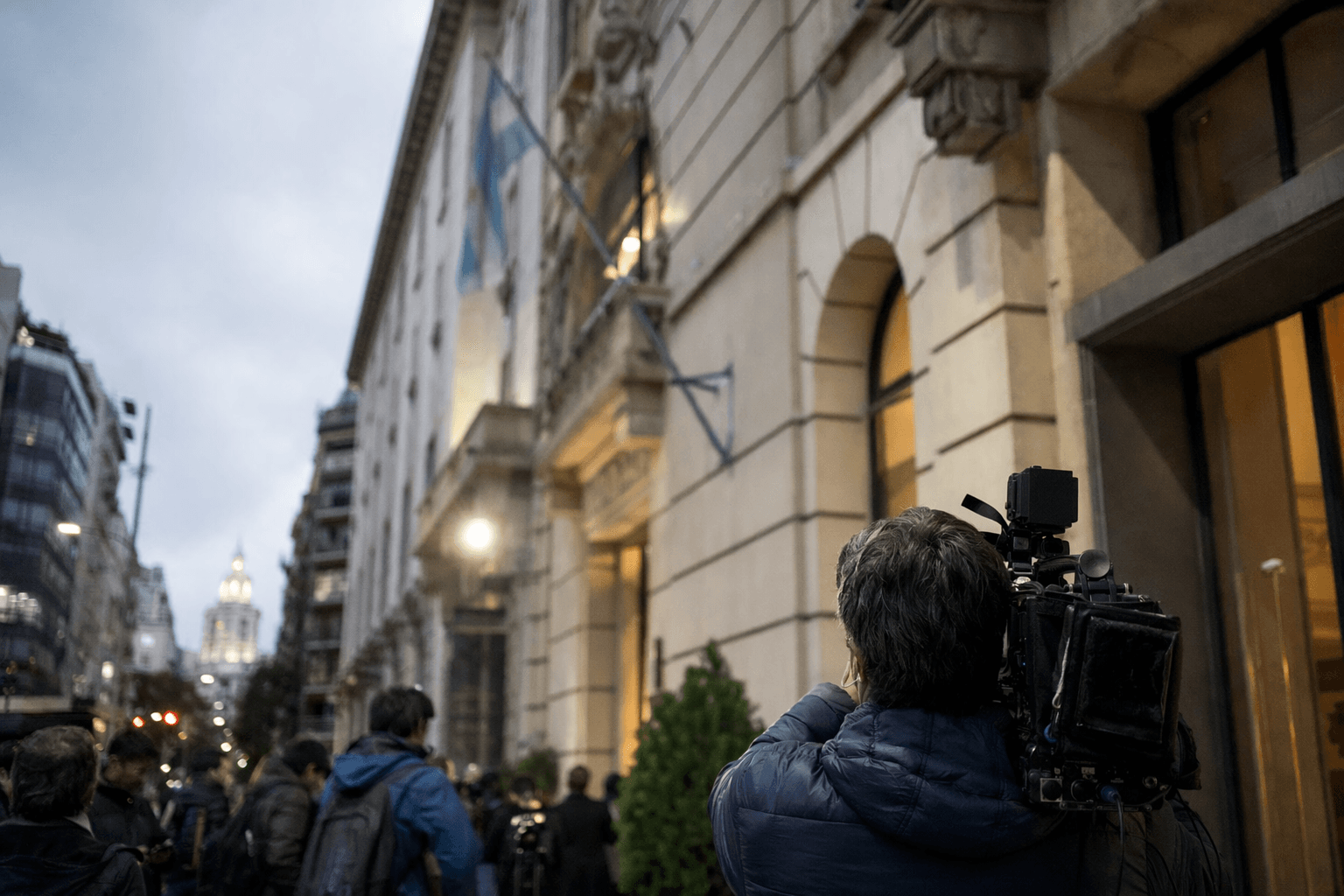
The dispute has gathered force because it sits at the intersection of domestic politics in San José and the broader relationship between Rodrigo Chaves Robles and Donald Trump. Chaves, who is leaving office, has repeatedly attacked La Nación, including after it published allegations of sexual harassment during his 2022 presidential campaign. The newspaper’s board has argued that the visa revocations fit a wider pattern of the Trump administration using immigration tools against critics and political opponents.
That concern is not abstract. Chaves has agreed to accept up to 100 third-country deportees a month as part of the Trump administration’s deportation efforts, underscoring how closely immigration policy and political leverage now overlap in the bilateral relationship. In that setting, the revocation of visas for directors of an independent general-interest paper is being read in Costa Rica as more than a routine administrative action. It is being seen as a test of whether a democratic ally can be pressured through travel restrictions.

The episode comes against a backdrop of mounting alarm over press freedom in Costa Rica. Reporters Without Borders placed the country 38th of 180 in its 2026 World Press Freedom Index, down from 36th in 2025, and said the Chaves government had restricted access to public information and taken a confrontational stance toward critical media. The Committee to Protect Journalists has also described Costa Rica as a long-standing democratic exception in the region while documenting attacks on the press there.
The latest visa move is not the first of its kind. Local reporting said that by July 9, 2025, the United States had revoked visas of at least 14 Costa Rican public figures, including lawmakers, former electricity institute officials, a magistrate and former president Óscar Arias. Some of those cancellations were reportedly carried out under Section 221(i) of the U.S. Immigration and Nationality Act, adding to the sense that visa power has become an increasingly visible tool in Costa Rican political disputes.
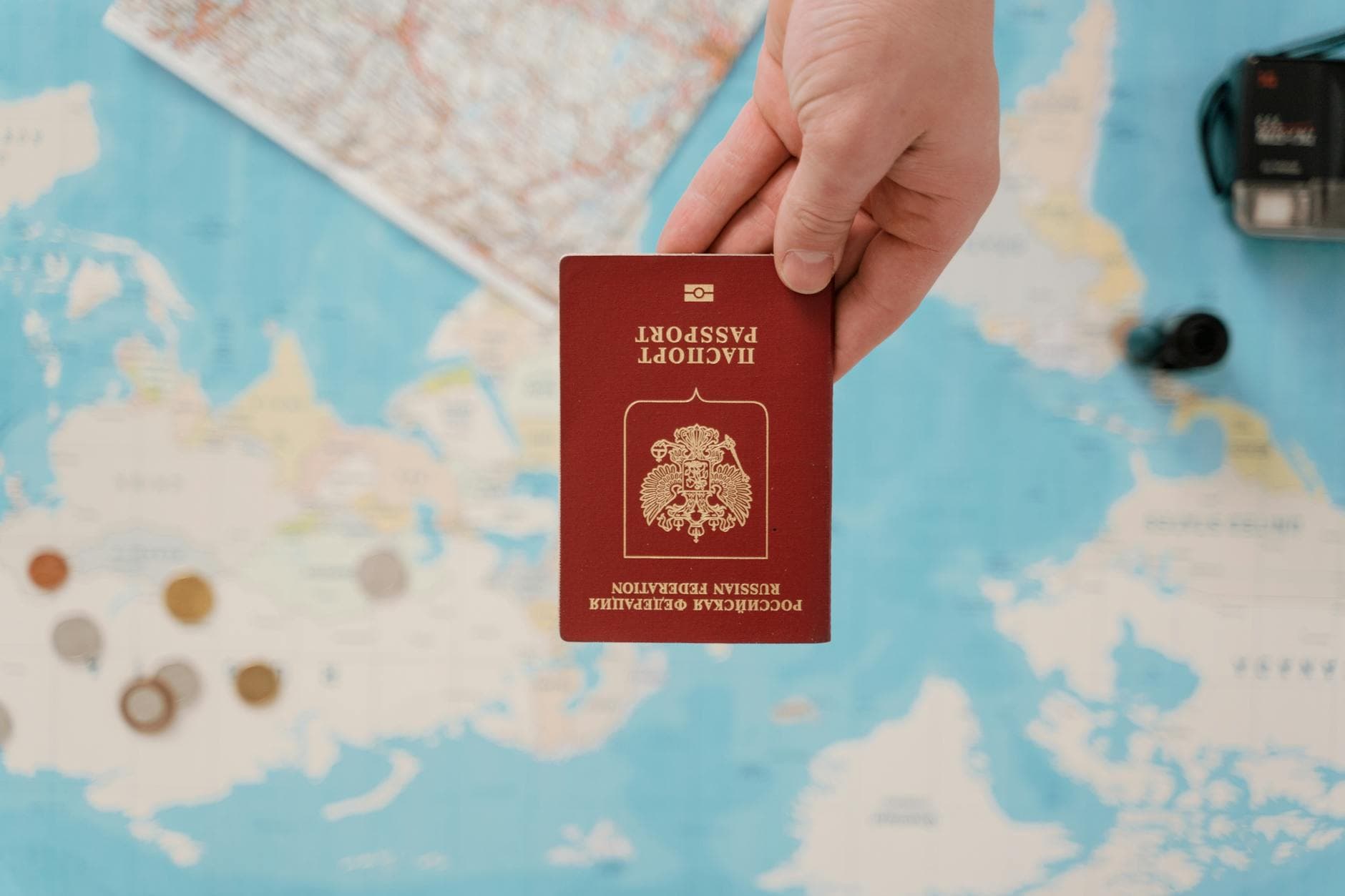
With no immediate comment from the U.S. State Department, the controversy remains unresolved. But in Costa Rica, the message already resonates far beyond La Nación’s boardroom: if visas can be withdrawn without explanation from critics of power, press freedom may be vulnerable to pressure that never needs to look like censorship.
This article was produced by Prism’s automated news system from verified source data, official records, and press releases, then run through automated quality and moderation checks before publishing. The system is built and supervised by the people who set the standards it runs under. Read our full AI policy.
Did this article answer your question?