Haiti Drone Strikes Killed More Than 1,200 People in Ten Months, Rights Group Finds
A Human Rights Watch report documents 1,243 deaths from explosive drone strikes by Haitian security forces and private contractors, including 60 civilians.
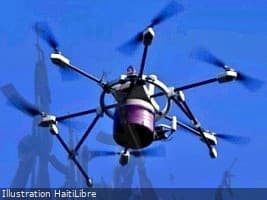
Explosive drone strikes carried out by Haitian security forces and contracted private companies killed at least 1,243 people and wounded 738 others over a ten-month span, Human Rights Watch reported Tuesday, documenting a campaign of aerial violence that has terrorized civilians alongside suspected gang members.
The HRW report, published March 10, covers strikes between March 1, 2025 and January 21, 2026. Among the dead were 43 adult civilians and 17 children. Of the 738 injured, 49 were described as alleged civilians. Drawing on interviews with doctors, victims' relatives and community leaders, as well as videos of the strikes, HRW concluded the operations involved unlawful use of lethal force.
The child toll carries particular weight. More than half of the 17 child victims were between 3 and 12 years old, killed last September in an attack on a sports center where a local gang was distributing gifts. The incident illustrates the blunt force of operations that make no clean distinction between gang activity and civilian life.
The pace of strikes escalated sharply through the end of last year. From November through January, drone operations nearly doubled compared with the prior three months, HRW found. Residents told the organization they were afraid to leave their homes because the drones can maneuver between buildings and moving vehicles while their controllers track suspects using live video feeds. The technology's precision, rather than reassuring civilians, has compounded their dread: nowhere feels safe.
Juanita Goebertus, HRW's Americas director, said the organization had documented unlawful use of lethal force and called on Haiti's international partners to act. "Haiti's partners should stop collaborating with its security forces until they implement safeguards to protect civilians," she said. Her warning was direct: "Haitian authorities should urgently rein in the security forces and private contractors working for them before more children die."

The report names no specific private companies involved in the drone operations, a gap that complicates accountability. Haiti's government had not publicly responded to HRW's findings as of publication.
The strikes occur against a backdrop of deepening crisis. Despite support from Kenya, the United States and the United Nations, Haitian security forces have yet to capture a single major gang leader. Armed gangs have expanded well beyond Port-au-Prince, killing thousands, displacing more than a million people and crippling an economy already among the most fragile in the Western Hemisphere.
The drone campaign was conceived as a tool to break gang control. But HRW's documentation suggests it has inflicted substantial harm on the population it was designed to protect, raising urgent questions about oversight, rules of engagement and the legal authority under which private contractors operate lethal aerial systems on behalf of the Haitian state. Neither the Haitian government nor its international partners have established public accountability mechanisms for the strikes.
With operations still accelerating at the end of the reporting period, and no senior gang figures captured, the campaign's human cost continues to rise without a clear strategic return.
This article was produced by Prism’s automated news system from verified source data, official records, and press releases, then run through automated quality and moderation checks before publishing. The system is built and supervised by the people who set the standards it runs under. Read our full AI policy.
Did this article answer your question?


