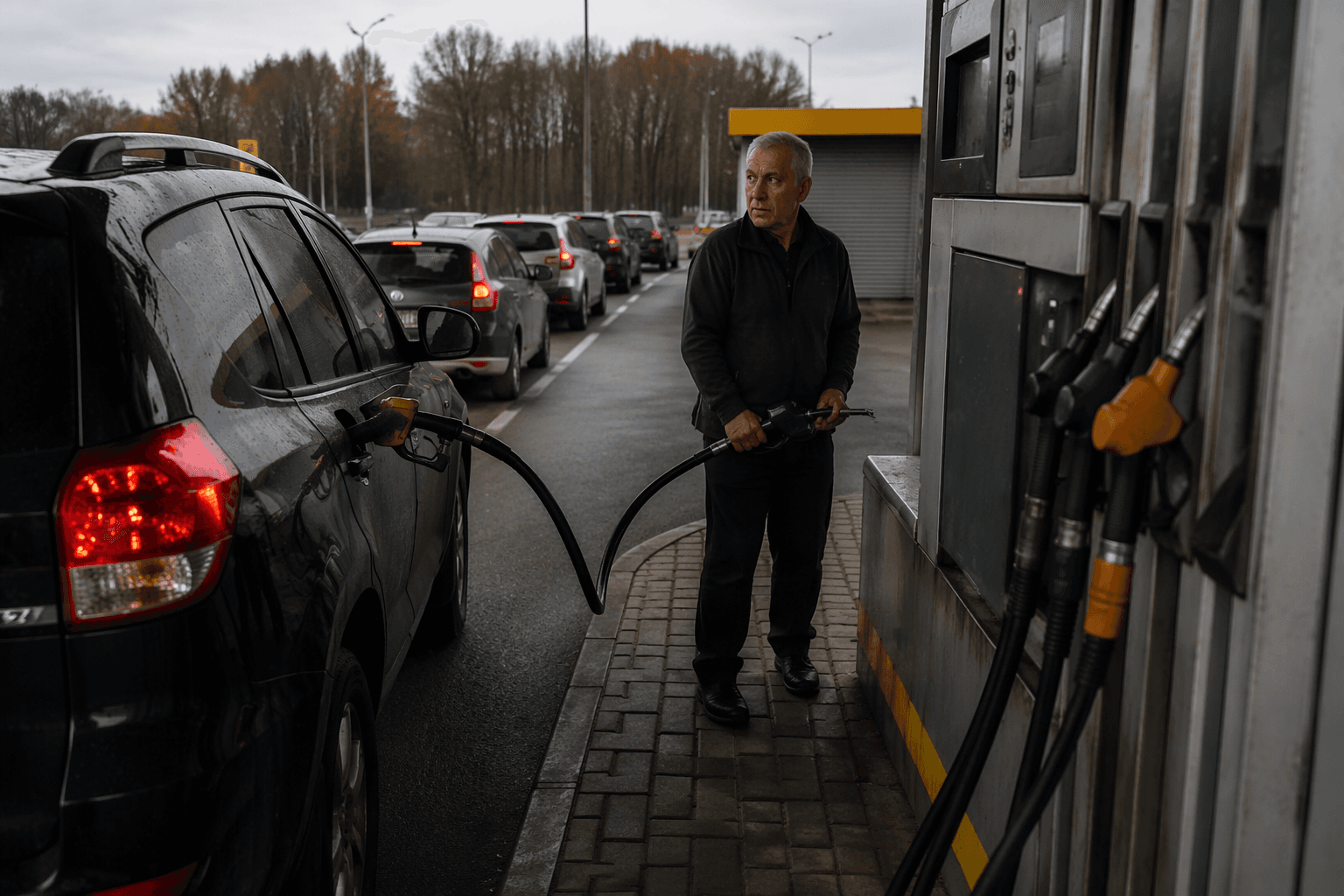
Haiti's hunger crisis deepens as 6 million face acute food insecurity
Nearly 1.9 million Haitians are in emergency hunger as gangs choke Port-au-Prince and aid runs short. More than half the country now faces acute food insecurity.
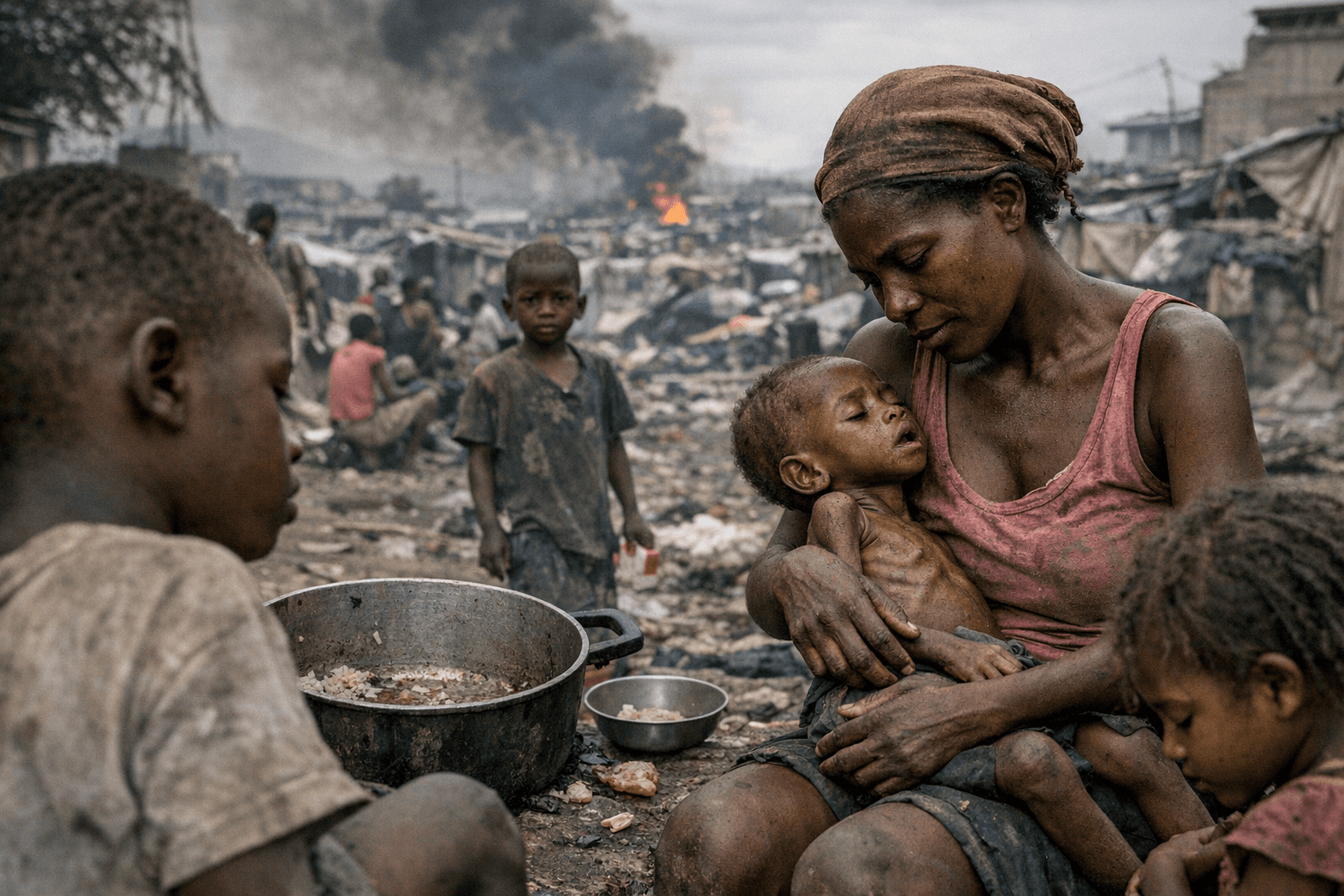
Gang violence, displacement and a failing aid pipeline have pushed Haiti deeper into hunger, with 5.83 million people, or 52% of the analyzed population, now facing high levels of acute food insecurity between March and June 2026. Nearly 1.9 million are in the emergency phase, a level of need that means families are already skipping meals, selling off assets and relying on a humanitarian system that is badly overstretched.
The latest Integrated Food Security Phase Classification analysis, published on 16 April 2026, showed only a marginal improvement from the September 2025 projection of 5.91 million people. Even with that slight easing, the situation remains critical. The IPC said violence, economic shocks and repeated disruptions to markets and farming continued to make it harder for households to buy food and for farmers to move crops to market.
The crisis is heaviest in the Ouest, Centre and Artibonite departments, where armed groups restrict access to services and humanitarian operations. In and around Port-au-Prince, armed groups control about 80% of the metropolitan area, according to UN reporting, leaving roads, neighborhoods and commercial routes vulnerable to extortion, looting and shutdowns. That insecurity has helped drive displacement to about 12% of the population, according to the United Nations Office for the Coordination of Humanitarian Affairs.
For families, the numbers translate into daily collapse. More than 6.4 million people will require emergency humanitarian assistance in Haiti this year, OCHA said, while the World Food Programme said the country has become the most underfunded crisis in the world. Funding shortfalls have already forced the agency to suspend life-saving meals for newly displaced families and cut rations in half in some cases.
The United Nations humanitarian response plan for Haiti is just 19.5% funded, with $172.1 million mobilized of the $880.3 million required. On 14 April, the UN released $140.5 million in emergency funding intended to reach 1 million people, a stopgap measure in a crisis that continues to outpace donor support.
Wanja Kaaria of the World Food Programme said, “Fighting hunger is essential to restoring stability in Haiti. We cannot build peace if families cannot feed their children.”
The latest figures suggest a country trapped in a vicious cycle: violence drives displacement, displacement strains food supplies, aid remains underfunded, and rising transport and production costs keep hunger in motion even where harvest conditions have improved slightly.
This article was produced by Prism’s automated news system from verified source data, official records, and press releases, then run through automated quality and moderation checks before publishing. The system is built and supervised by the people who set the standards it runs under. Read our full AI policy.
Did this article answer your question?