Hands-on subtractive synthesis workshop brings analog learning to LA
A hands-on workshop at the Vintage Synthesizer Museum taught subtractive synthesis basics with analog and modular gear. Attendees practiced patching, sequencing, and oscilloscope techniques.
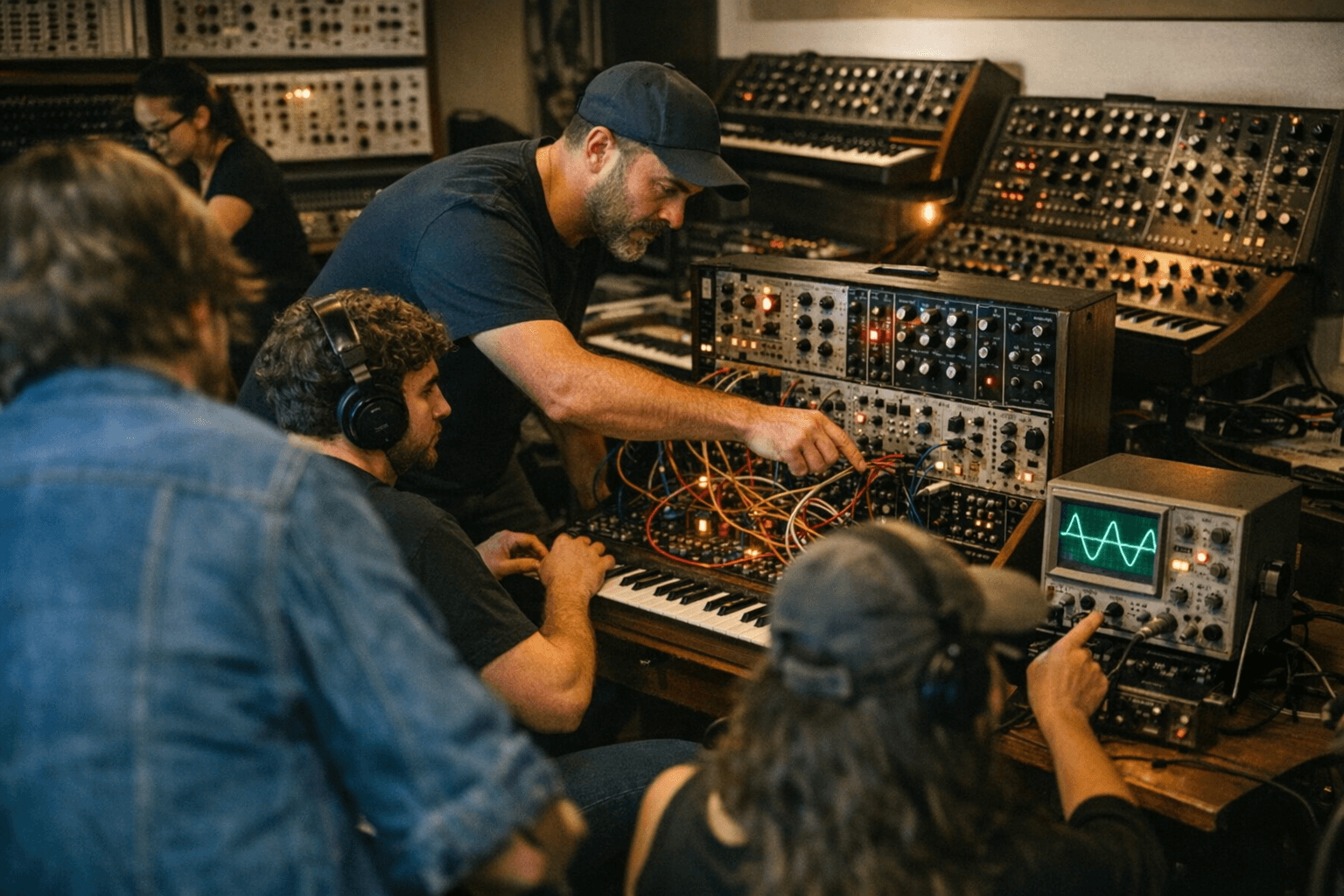
Participants gathered at the Vintage Synthesizer Museum in Highland Park for a four-hour, hands-on workshop that focused on the fundamentals of subtractive synthesis. The January 17 session ran from 12:00 PM to 4:00 PM at 1200 North Avenue 54, Los Angeles, and used real analog and modular rigs to move students from theory into tactile practice.
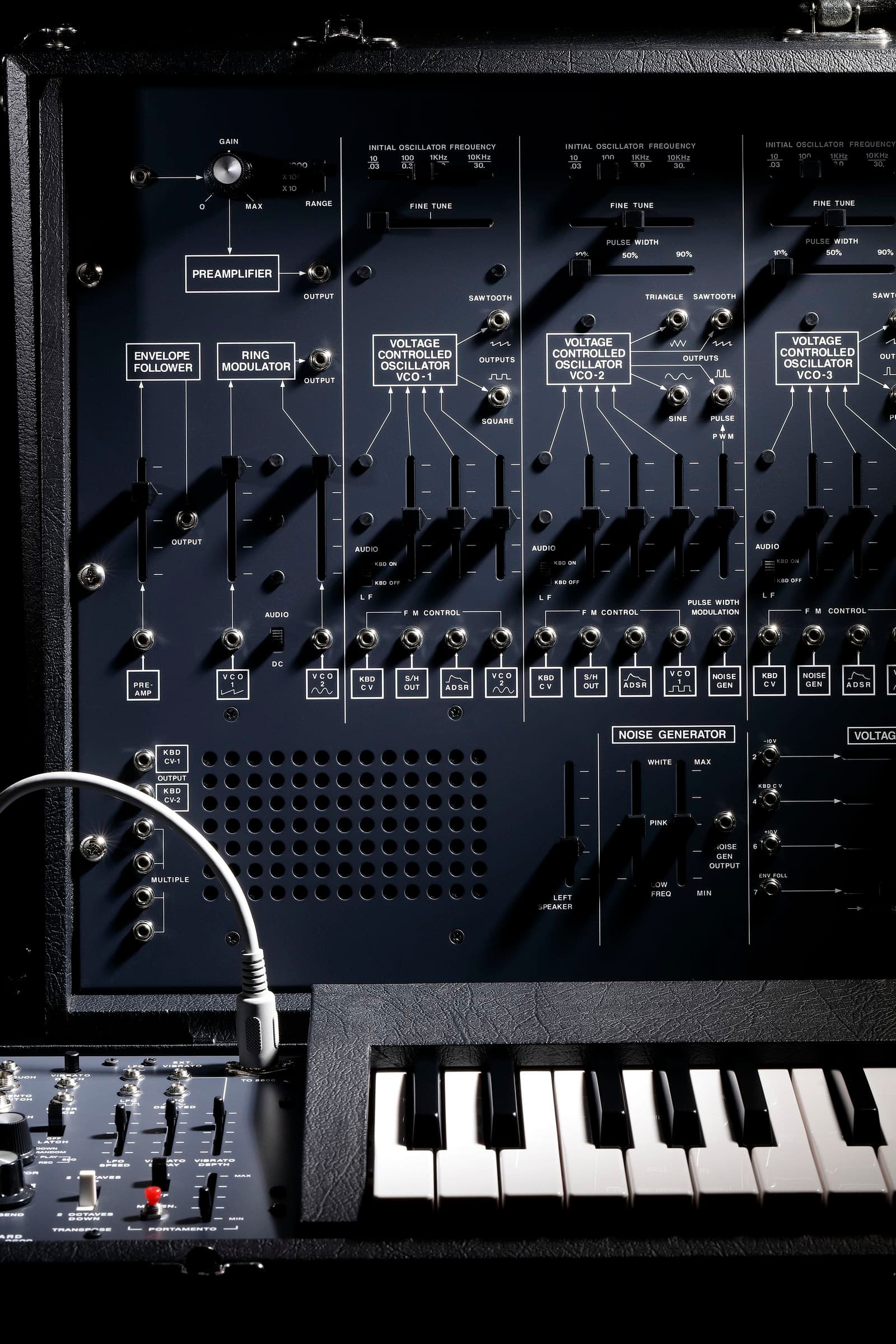
In front of racks of oscillators, filters and VCAs, small groups worked through core signal flow: oscillator selection and tuning, filter cutoff and resonance shaping, envelope design for amplitude and filter control, and basic LFO modulation. Instructors demonstrated sequencing and keyboard control to show how patchable modules respond to gate and CV, then put techniques into practice with hands-on patching. An oscilloscope was used throughout to visualize waveforms, harmonic content and how filtering sculpts sound - a welcome visual aid for anyone battling pitch drift or unsure why a patch sounds thin.
The practical format mattered. Attendees left with immediate, usable skills: how to get a stable saw or square wave, how to tame feedback effects with the filter, how to route an envelope to VCA for percussive articulation, and how to build and save simple sequences. For players suffering from GAS, the workshop provided a reality check: clear tradeoffs between module types, the role of patch cables in signal routing, and low-cost experimentation strategies before new purchases.
The museum folded the workshop into its ongoing community programming, which includes the Second Sunday Synthesizer Soundbath series and active social channels on Facebook, Instagram, and YouTube. Organizers offer ticketing and booking through the museum events page for future workshops and soundbath sessions, making it straightforward to follow up with more advanced modules or repeat practice sessions.
For newcomers this was a low-barrier entry to analog and modular systems; for more experienced players it was a chance to tighten fundamentals and get oscilloscope-confirmed results. Bring spare patch cables, headphones, and a willingness to unlearn presets: the hands-on approach rewards experimentation and listening.
What comes next is repeatable practice and community momentum. Those who attended can refine patches between museum sessions, and anyone who missed this workshop can register for upcoming events at the museum to build the same core skills that turn a tangle of modules into a reliable voice.
Sources:
Know something we missed? Have a correction or additional information?
Submit a Tip