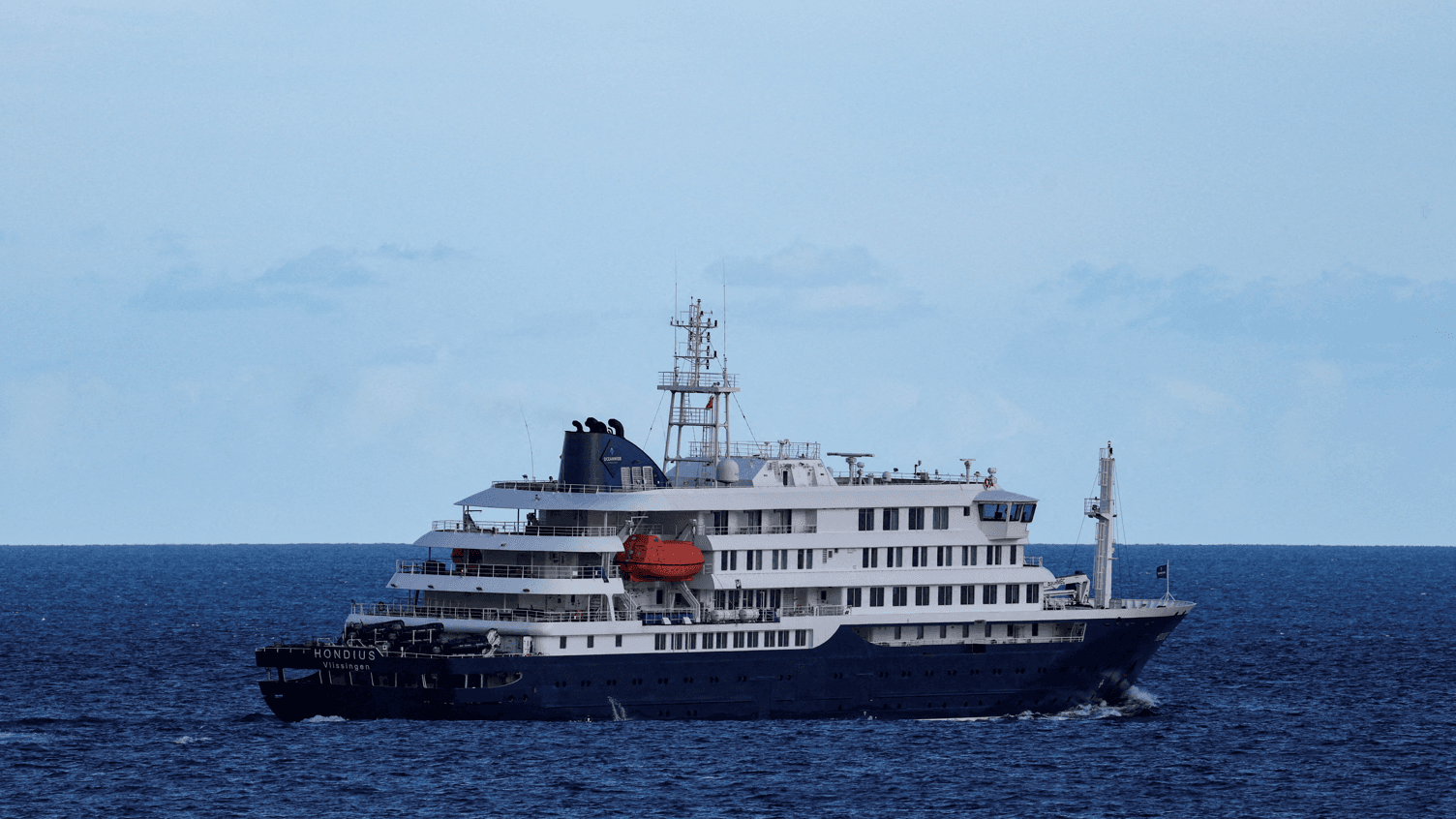
Hantavirus outbreak aboard cruise ship leaves three dead, WHO says
Three deaths and 11 infections on MV Hondius turned a cruise ship into a cross-border test of how fast rare pathogens can spread, track, and be contained.

Three people died and 11 others fell ill aboard the Dutch-flagged MV Hondius, turning a cruise voyage into a multinational test of whether the travel industry can contain a rare but severe disease before it moves ashore. The World Health Organization said the ship was carrying 147 passengers and crew when it was notified of a cluster of severe respiratory illness on May 2.
The timeline shows how quickly the crisis moved across borders. Illness onset among the cases was reported between April 6 and April 28, before WHO was alerted and after 34 passengers and crew had already disembarked. By May 4, WHO said seven cases had been identified, including three deaths, one critically ill patient and three people with mild symptoms.
The clinical picture was severe. Health authorities said symptoms included fever, gastrointestinal illness, rapid progression to pneumonia, acute respiratory distress syndrome and shock. By May 8, the count had risen to eight cases, still with three deaths. By May 13, WHO reported 11 cases in all, including eight confirmed Andes virus infections, two probable cases and one inconclusive case.
The virus identified in the outbreak was Andes hantavirus, the only hantavirus known to spread person-to-person, usually through close and prolonged contact. Even so, health officials have repeatedly said the public-health risk remains very low, a reminder that rare does not mean harmless, especially in confined settings where passengers, crew and medical staff share air, meals and living quarters for days at a time.

The U.S. Centers for Disease Control and Prevention said on May 8 that the American government was actively monitoring and responding to the outbreak, while the risk to the American public remained extremely low. The CDC said the U.S. Department of State was leading a coordinated repatriation effort and providing health guidance to affected American travelers. In the United States, monitoring has already extended to returning passengers, including cases in Georgia.
Europe’s public-health agency said it was notified on May 2 and that the ship had passengers and crew from 23 countries, including nine EU and EEA countries. By May 15, the European Centre for Disease Prevention and Control said no new cases or deaths had been reported since its previous update and that the risk to the EU and EEA general population remained very low.
The outbreak exposed the pressure points of post-Covid travel readiness: ships can identify cases, but ports, governments and health agencies still must coordinate disembarkation, onward travel and follow-up across jurisdictions. WHO said it was developing operational guidance for safe and respectful disembarkation and onward travel, a sign that the next test is not just detection, but whether containment protocols can keep pace once a ship is already in motion.
This article was produced by Prism’s automated news system from verified source data, official records, and press releases, then run through automated quality and moderation checks before publishing. The system is built and supervised by the people who set the standards it runs under. Read our full AI policy.
Did this article answer your question?