Hantavirus outbreak on Antarctic cruise ship prompts evacuation, repatriation efforts
More than 140 cruise passengers were set for evacuation in Tenerife after a hantavirus outbreak left three dead aboard the Dutch-flagged MV Hondius.
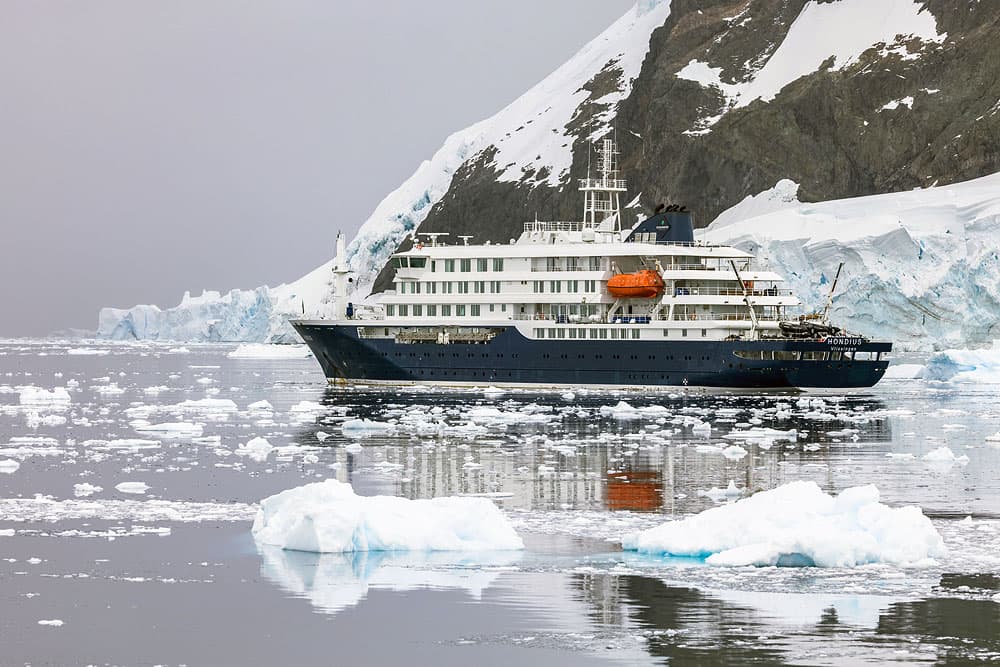
Health officials moved to evacuate passengers and most of the crew from the Dutch-flagged MV Hondius after a hantavirus outbreak aboard the Antarctic cruise ship left three people dead and triggered a multinational repatriation effort across Europe and North America.
The World Health Organization said the vessel carried 147 people in all, including 88 passengers and 59 crew members from 23 nationalities. The voyage began in Ushuaia, Argentina, on April 1 and included Antarctica, South Georgia, Nightingale Island, Tristan da Cunha, Saint Helena and Ascension Island before the outbreak was reported. By May 4, the agency said there were seven linked cases: two laboratory-confirmed infections, five suspected cases, one critically ill patient and three people with mild symptoms. Illness onset stretched from April 6 to April 28 and included fever, gastrointestinal symptoms, rapidly progressing pneumonia, acute respiratory distress syndrome and shock.
The outbreak was tied to Andes virus, a hantavirus species that can, in limited circumstances, spread from person to person. Even so, the WHO said the global risk remained low. The agency recommended that evacuees remain isolated for 42 days from the last point of exposure, a standard aimed at separating precaution from panic while investigators track possible secondary transmission.
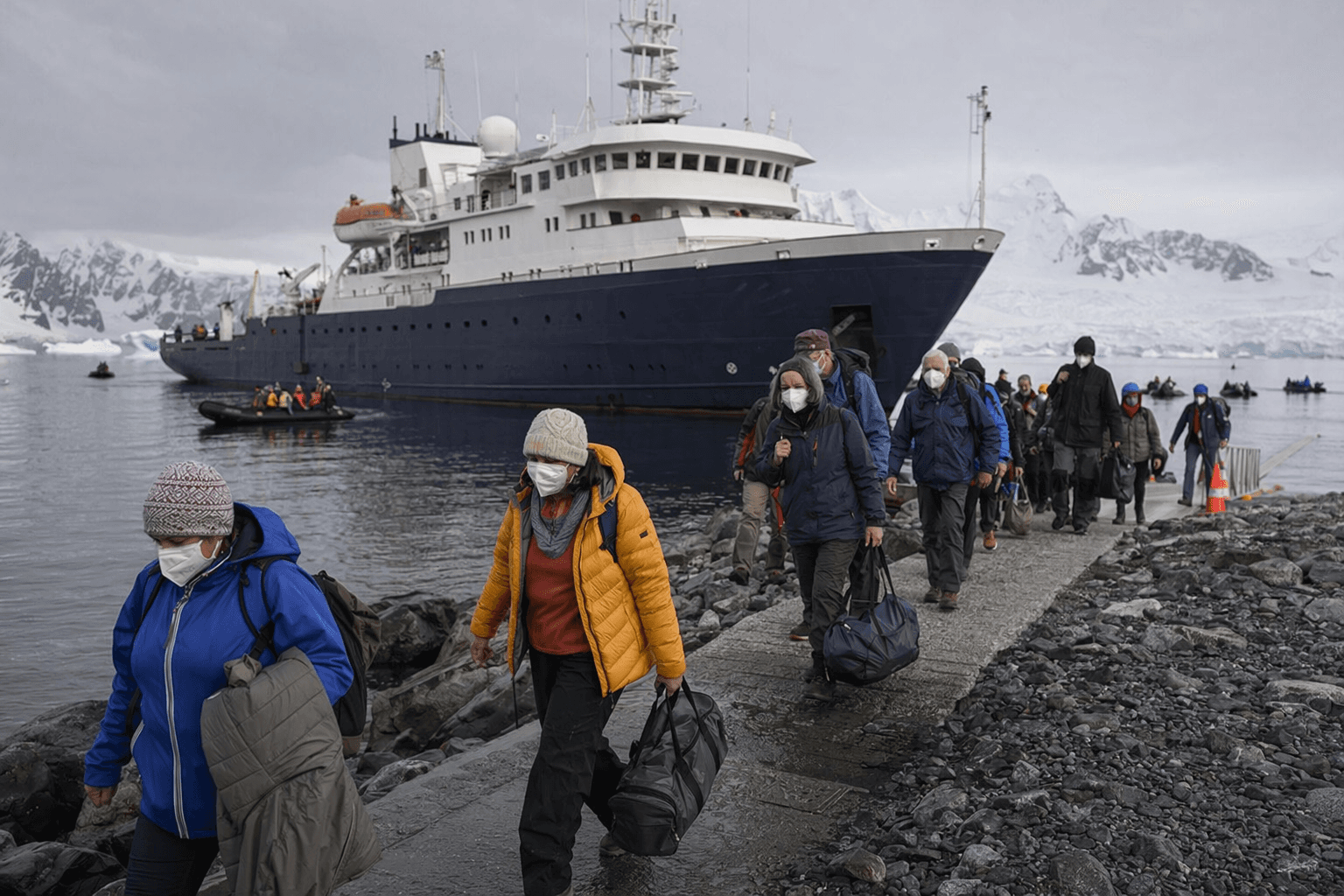
Spanish authorities prepared to receive more than 140 passengers and crew in Tenerife, where arrivals were to be handled in a cordoned-off, isolated area at the Port of Granadilla. Fernando Clavijo, the Canary Islands’ regional president, had initially objected to allowing the ship to dock, saying he would not endanger local residents, before Spanish national authorities moved ahead with the reception plan. WHO Director-General Tedros Adhanom Ghebreyesus traveled to Tenerife to oversee the operation and underscored the public-health message, saying, “this disease is not COVID,” while stressing that the risk to the local population was low.
The repatriation plan also included American passengers. The Centers for Disease Control and Prevention said 17 Americans were aboard and that its epidemiologists and medical professionals had been deployed to the Canary Islands. The U.S. government’s priority, the agency said, was the safe return of those passengers, with plans to fly them to Offutt Air Force Base in Omaha, Nebraska, and then transfer them to the National Quarantine Center at the University of Nebraska Medical Center. The WHO said it expected six evacuation flights for European Union nationals and four for non-EU nationals, while reports also indicated that a British national had already been evacuated to the Netherlands as tracing expanded beyond the ship itself.
This article was produced by Prism’s automated news system from verified source data, official records, and press releases, then run through automated quality and moderation checks before publishing. The system is built and supervised by the people who set the standards it runs under. Read our full AI policy.
Did this article answer your question?