WHO says rare hantavirus outbreak on cruise ship poses low risk
WHO called the Hondius outbreak low-risk as Tenerife braced for a sealed docking, while protesters warned the ship could still damage tourism and trust.
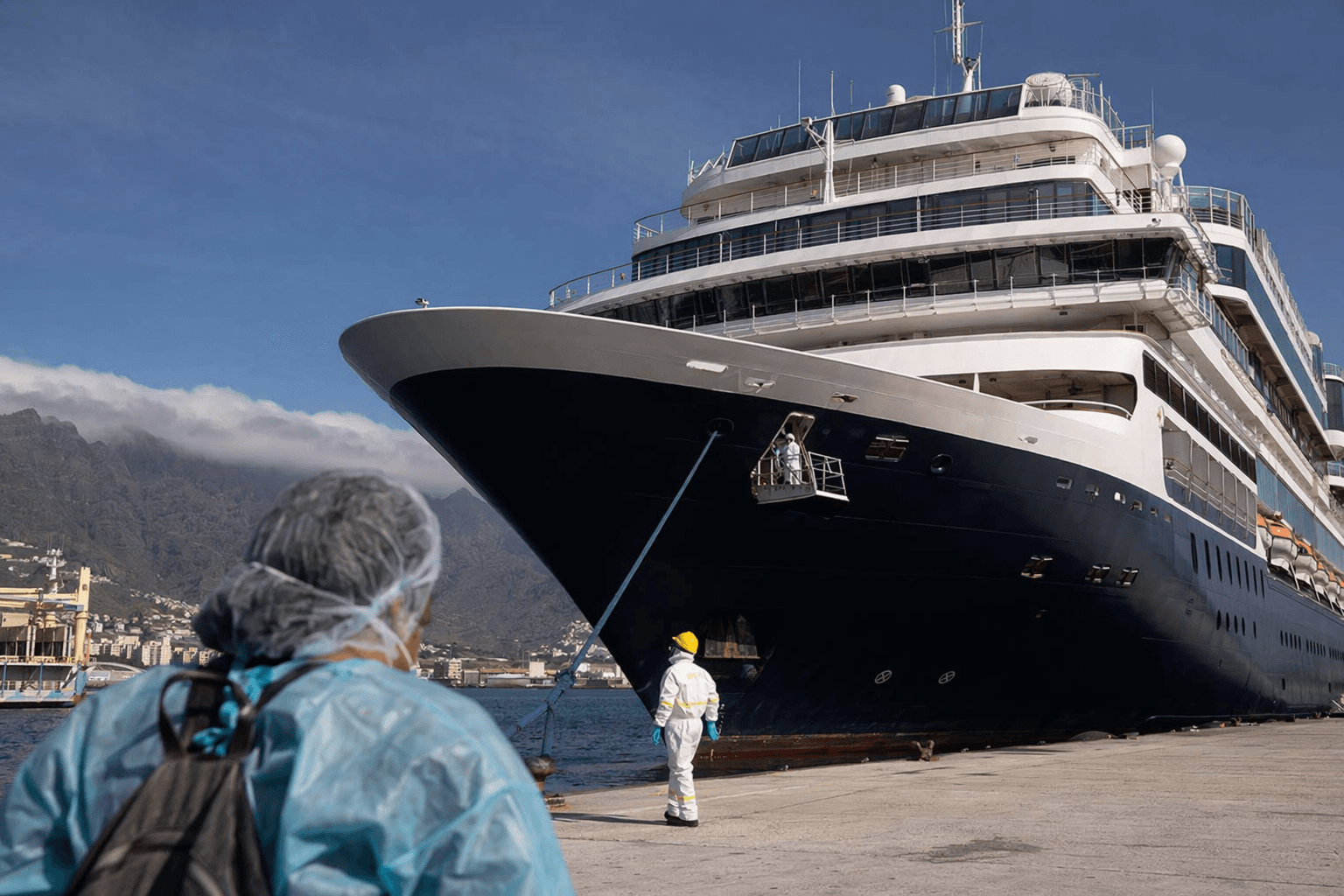
A rare hantavirus outbreak aboard the Dutch-flagged MV Hondius forced Tenerife into a tightly controlled docking operation, with the World Health Organization saying the wider public-health risk was low even as islanders worried about the damage a virus-hit ship could do to a tourism-dependent economy.
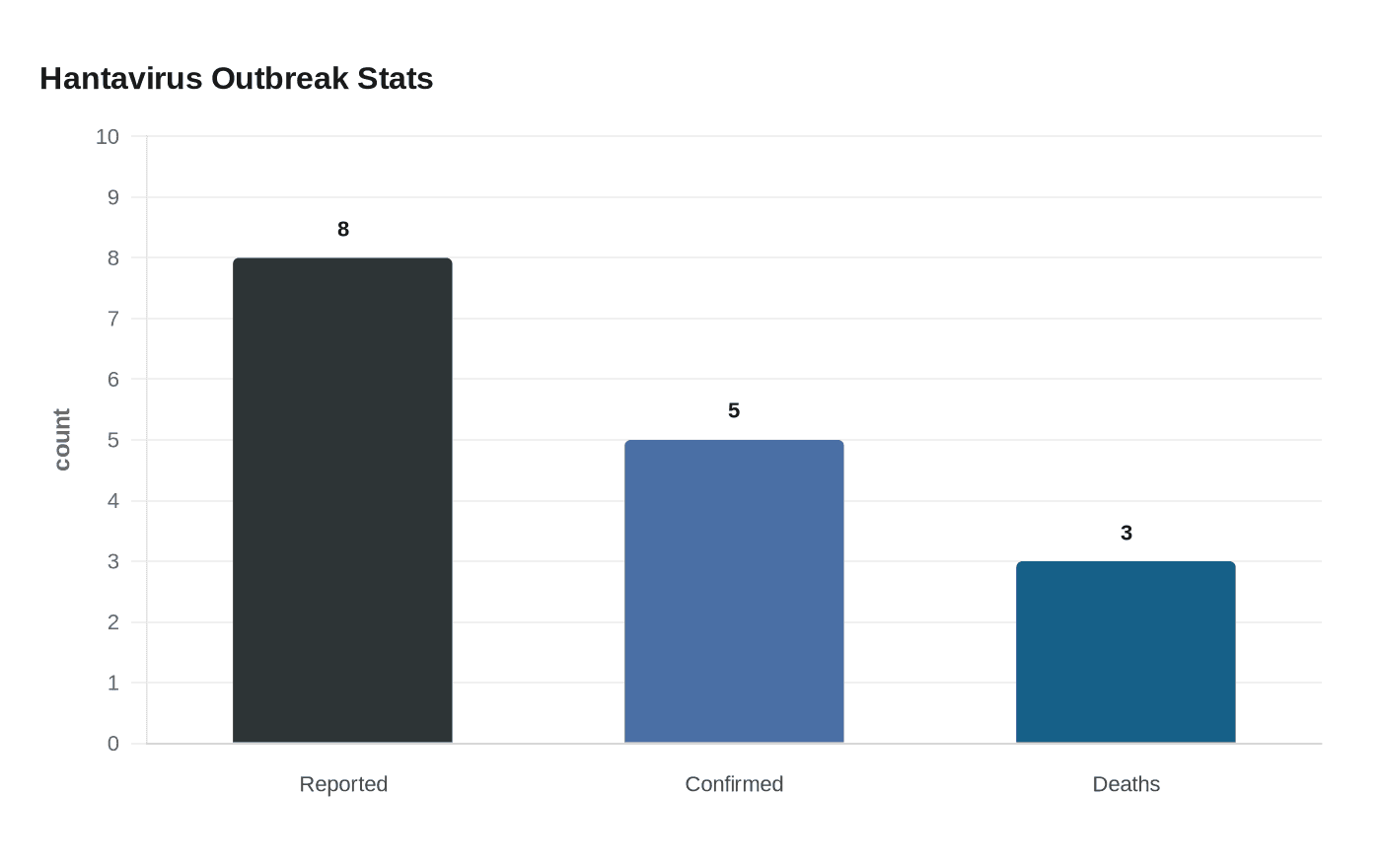
WHO said on 7 May that eight cases linked to the vessel had been reported, including three deaths, and that five of the eight cases had been confirmed as hantavirus. The agency identified the strain as the Andes virus, the only hantavirus species known to allow limited human-to-human transmission, a detail that made the communication challenge especially delicate. Tedros Adhanom Ghebreyesus tried to strike that balance by telling residents, “This is not another Covid,” a line meant to calm fears without denying the seriousness of the event.
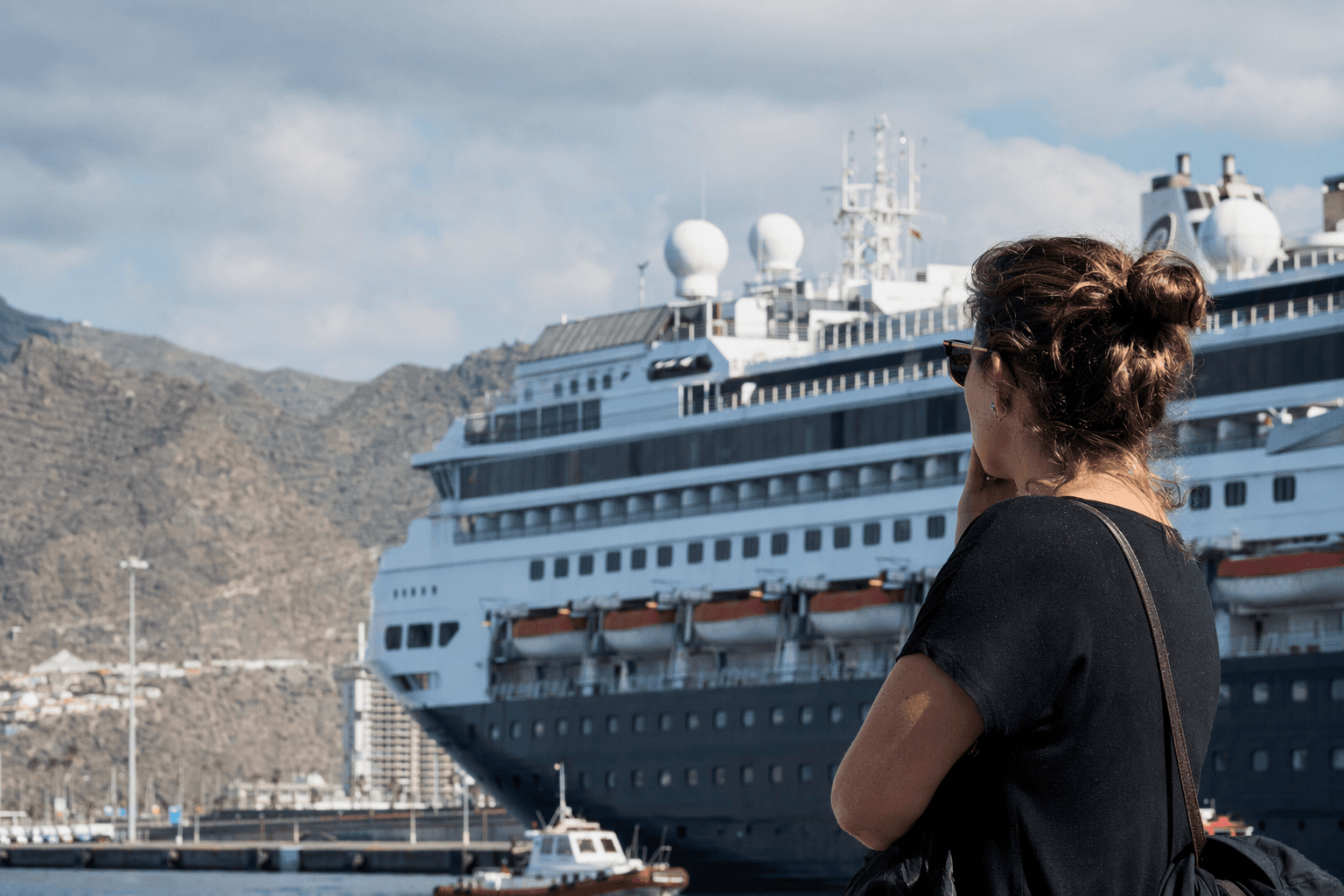
The ship was expected to arrive with nearly 150 passengers and crew from 23 countries. Spanish authorities planned to send it to the industrial port of Granadilla, away from residential areas, and move passengers through a cordoned-off corridor in sealed, guarded vehicles directly to onward flights. Health Minister Mónica García and emergency-services chief Virginia Barcones said preparations were in place and that the vessel would be handled in a completely isolated area.
WHO said it was notified of the situation on Saturday, 2 May, deployed an expert aboard the ship and arranged shipment of 2,500 diagnostic kits from Argentina to laboratories in five countries. The agency was also preparing operational guidance for safe, respectful disembarkation and onward travel, an effort that underscored how much the response depended on reassuring the public while limiting unnecessary contact and delay.
That reassurance was tested on the ground. Residents on Tenerife staged protests in recent days, chanting “Yes to tourism, no to the virus,” a sign that the island’s concern was not only infection control but also reputation and revenue. For a place that depends heavily on visitors, even a carefully managed health operation carried political and economic risk.
The first probable case on board was a male passenger who had traveled through South America and died in mid-April, setting off the international tracing effort that followed. WHO and Spanish officials said the outbreak had created anxiety for those on board and for the island below, but they maintained that the containment plan was designed to protect both public health and public confidence.
This article was produced by Prism’s automated news system from verified source data, official records, and press releases, then run through automated quality and moderation checks before publishing. The system is built and supervised by the people who set the standards it runs under. Read our full AI policy.
Did this article answer your question?


